Light vs Dark Tiny Home Interiors: What Actually Looks Bigger?
Designers offer familiar advice about small spaces. Paint every wall pure white, they say. Bright colors open up a tiny home, designers suggest. Most people just nod along, grabbing a bucket of ivory paint for their compact living room. Common wisdom about light versus dark tiny home interiors misses a big detail. A glossy black kitchen cabinet expands the room’s feel more than a matte cream finish. Warm wood tones on a ceiling beam or charcoal floor tiles push boundaries better than pale gray ones. A small area needs bright surfaces, but a surprising truth often emerges from deeper shades. Let’s explore what truly works.
1. Bright Nordic Living Alcove
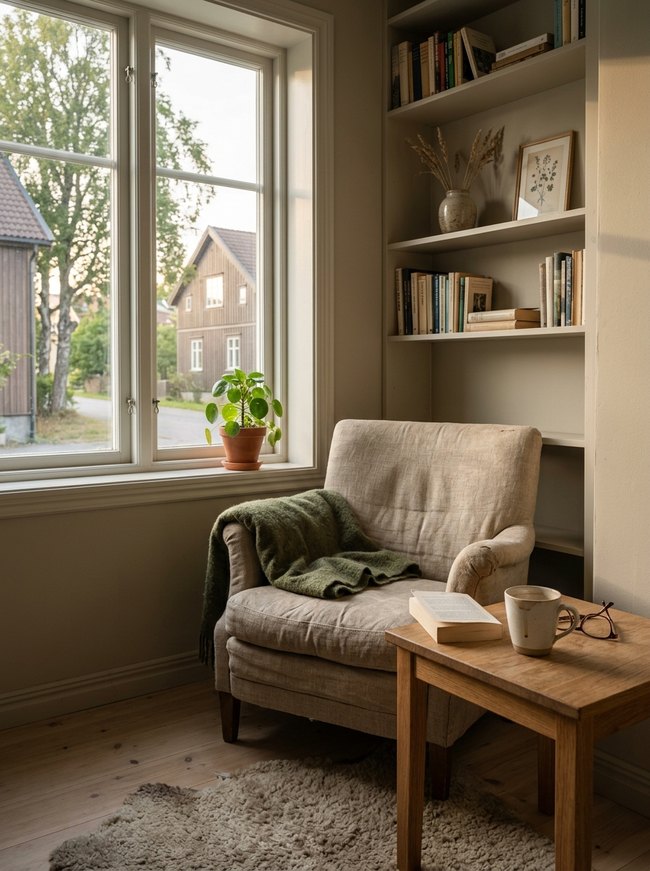
A large window with crisp white frames draws the eye, making the small corner feel open and bright. Light cream paint on the walls and built-in shelves keeps the space airy, allowing varied textures like a green wool throw and a shaggy beige rug to add warmth without heaviness. Soft, pale colors on large surfaces expand small rooms.
2. Deep Woodland Kitchenette Corner
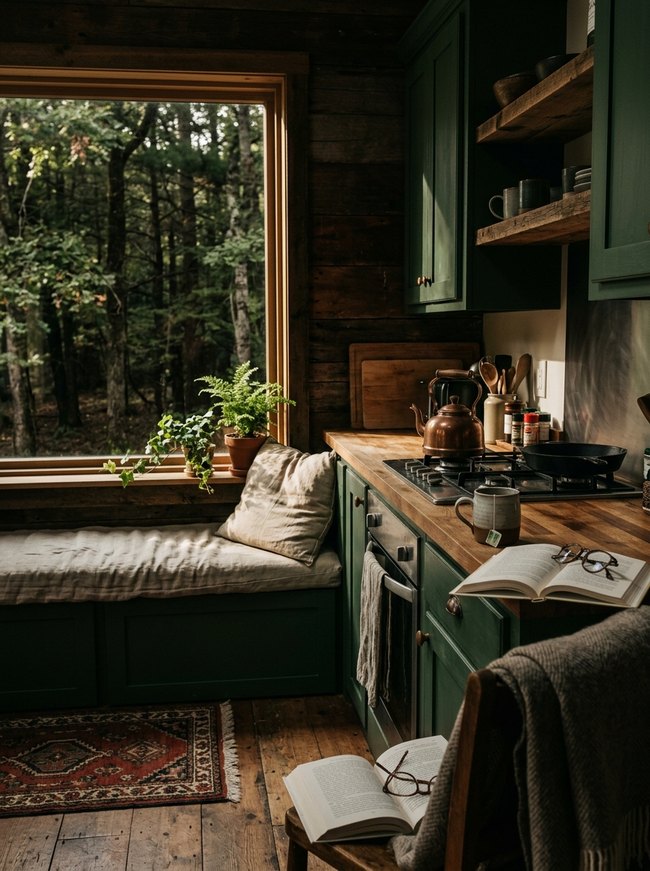
Deep forest green cabinets in the small kitchen make the space feel inviting and calm, rather than cramped. Rich, dark colors add personality and warmth to small rooms. A single bold color on lower cabinets makes the tiny home feel grounded.
3. Airy Coastal Loft Bedroom
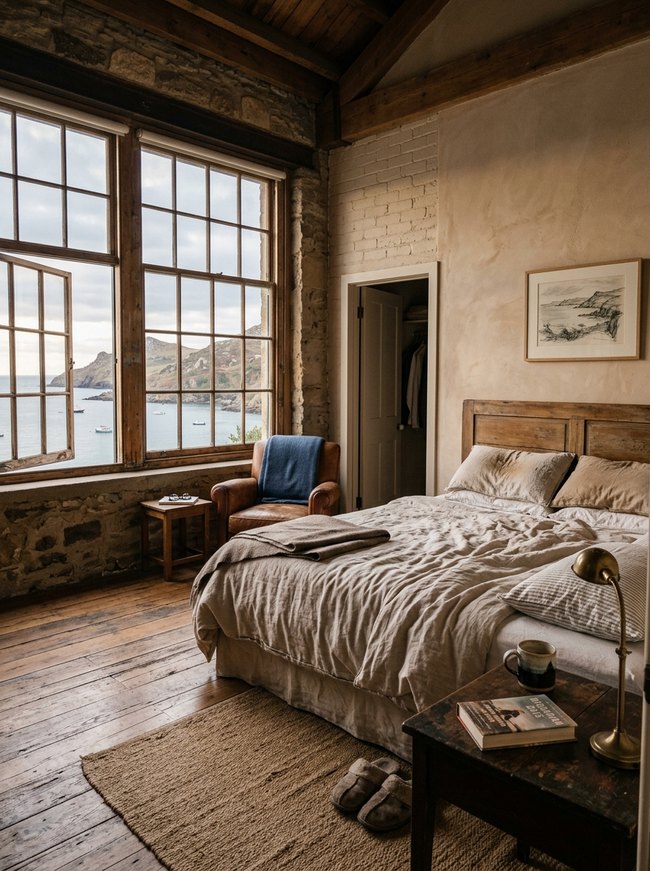
The expansive window frames an ocean view, making the outside world feel like part of the room. Natural light floods the bedroom, brightening the rough stone walls and rustic wooden floor. Large windows make a small space feel much bigger.
4. Rich Ebony Study Nook
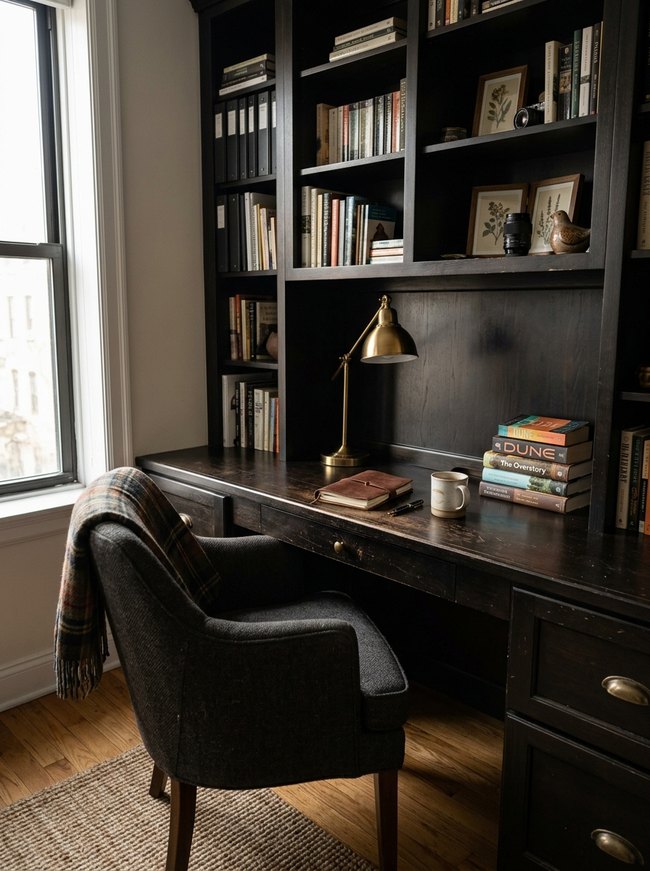
The dark ebony desk and matching shelves provide a rich, deep tone, making the window’s natural light feel brighter. Deep colors work in a small space when balanced with a light wall or a bright window. Avoid painting all walls a dark color in a tiny room.
5. Soft Greige Dining Area
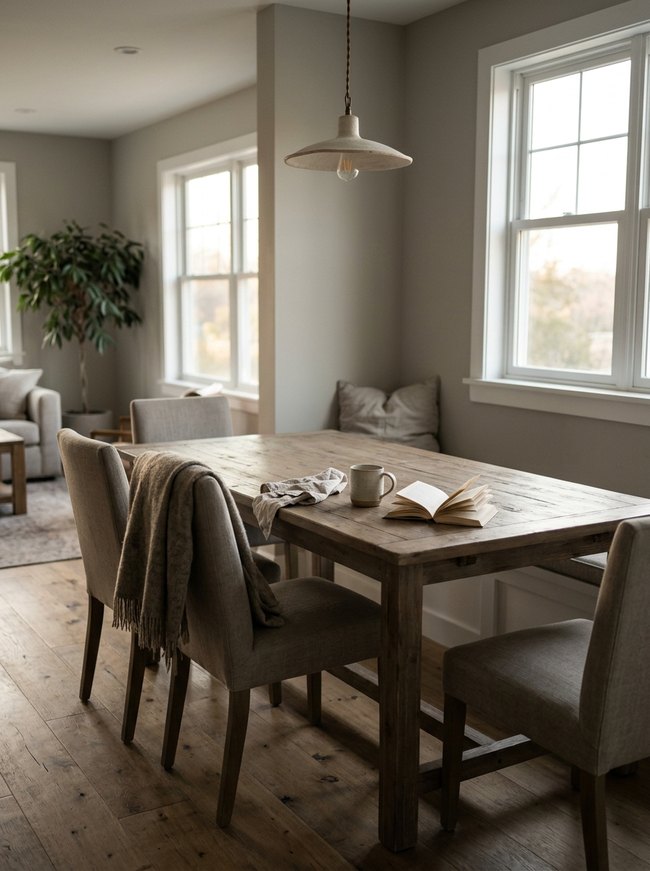
The rustic wooden dining table, with its distressed gray finish, instantly grounds the airy room. Pale greige walls and soft natural light from the large windows make the space feel open and welcoming. Light-colored walls and warm wood tones expand a living space.
6. Bold Midnight Bathroom Retreat
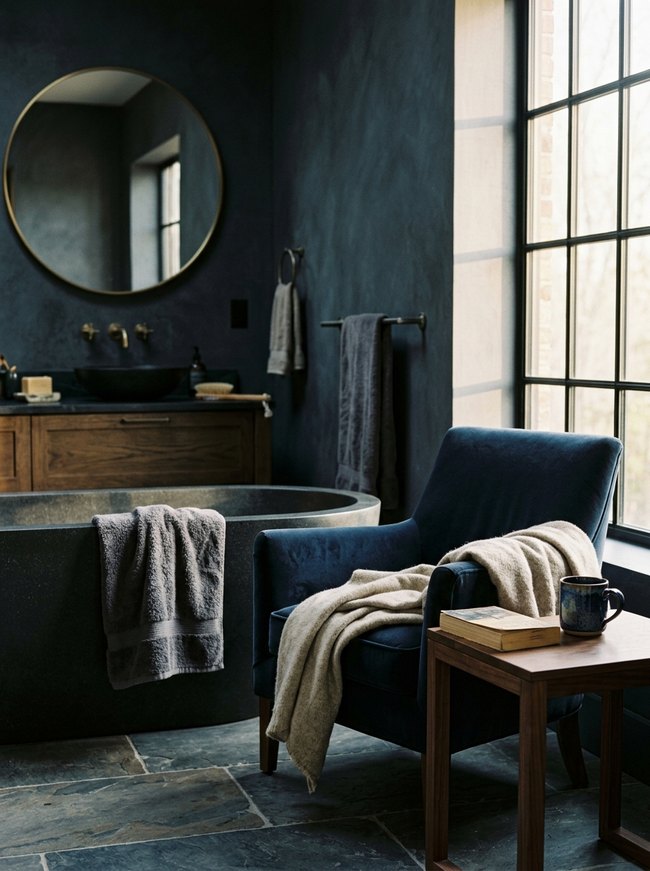
Large black-paned windows flood the dark blue bathroom with natural light, making the deep tones feel expansive. Homeowners can use rich, dark colors like the charcoal plaster wall finish to create a cozy, luxurious feel in a small space, especially when paired with warm wooden textures and a brass mirror. A large window or bright accent lighting stops a dark room from feeling small.
7. Pristine White Entryway Foyer
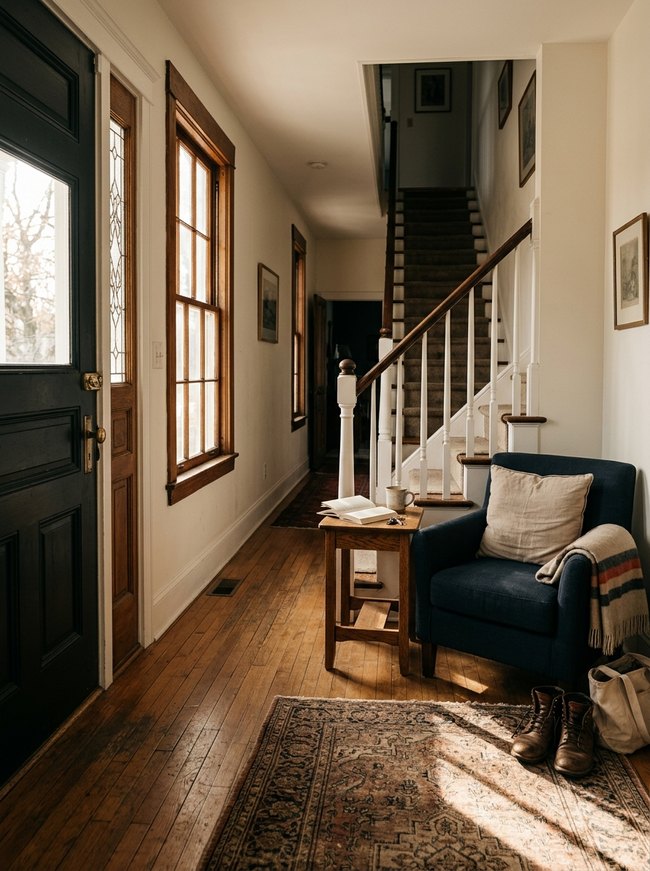
Warm sunlight streams across the amber wood floor, creating bright patterns that expand the narrow entryway. Light-colored walls and natural light make any small space feel much bigger. Consider adding a rich navy armchair and a patterned Persian rug for inviting contrast without overwhelming your home.
8. Cozy Charcoal Reading Pod
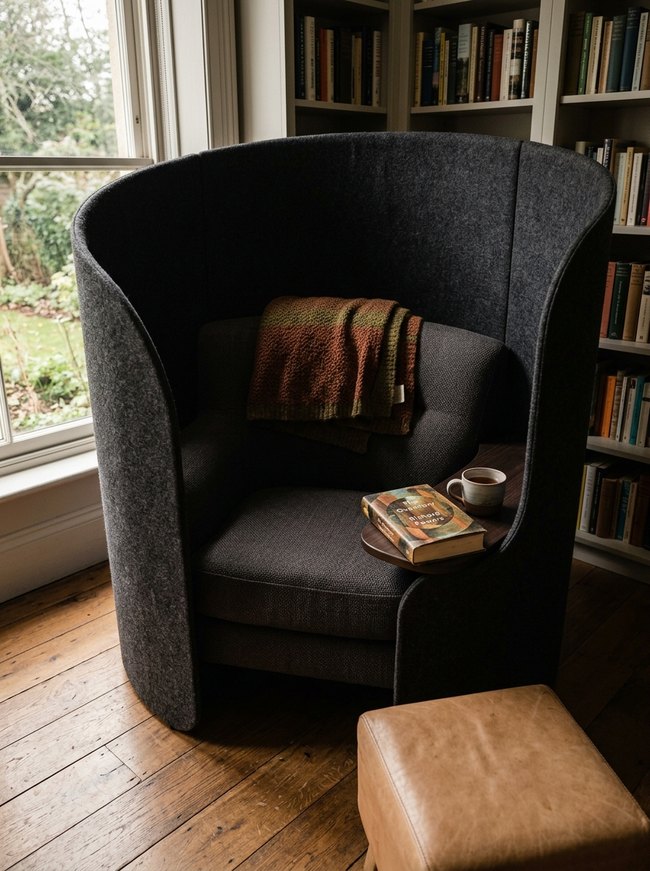
A high-backed charcoal felt chair creates a private, cozy reading spot. Dark furniture can make a room feel smaller, so balance deep tones with light wood floors and bright window light. Choose a light-colored throw pillow or blanket to add a striking contrast.
9. Sunlit Pale Wood Workspace
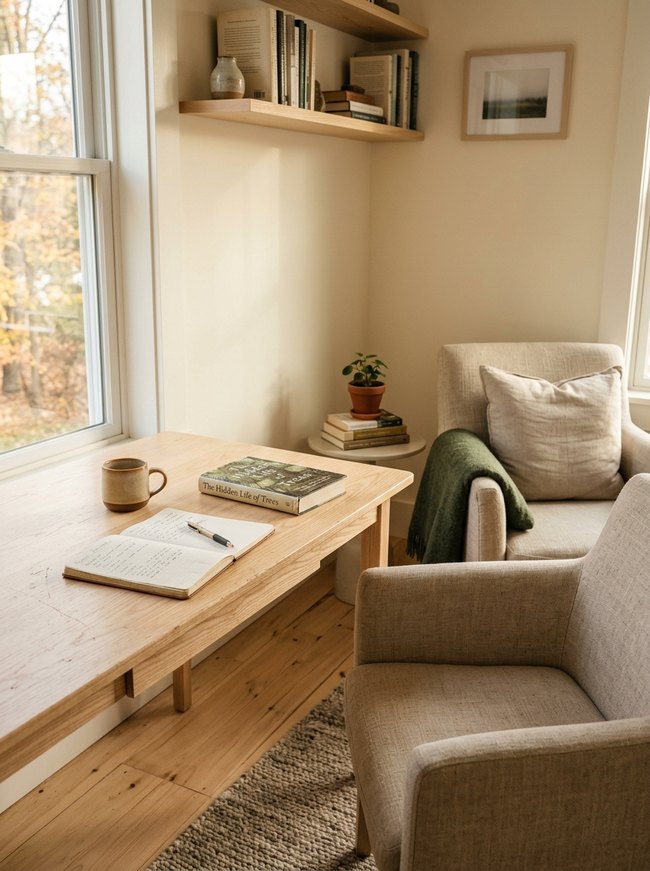
A warm, pale wood desk and wide window bring a bright, open feeling to the corner workspace. Light-colored walls and natural wood floors keep the space expansive, even with two upholstered chairs nearby. For your tiny home, choose light wood tones and ample window light to make small rooms appear much larger.
10. Dramatic Slate Sleeping Chamber
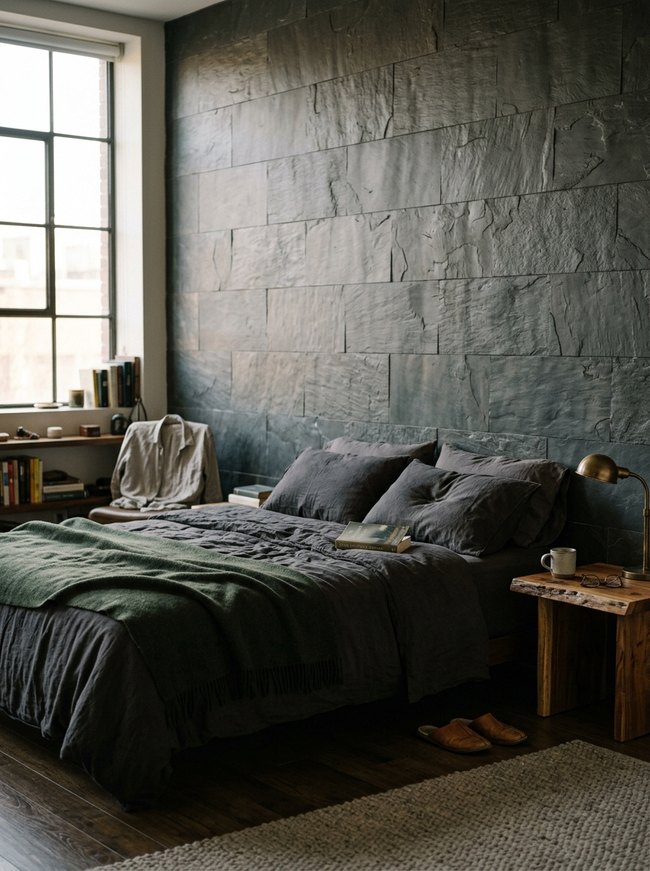
A dark gray slate wall creates a dramatic, textured backdrop behind the bed. Deep wall colors with natural light and lighter bedding keep a small room feeling open. A warm wooden nightstand balances cool tones.
11. Open Ivory Lounge Space
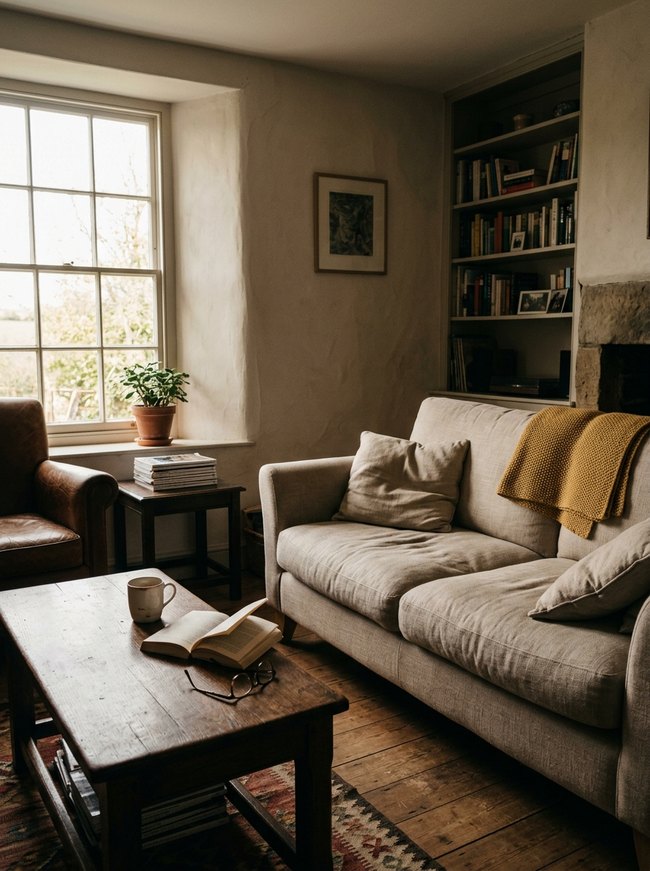
The tall window with twelve glass panes brings abundant natural light into the room. Light-colored walls and a linen sofa make the small lounge space feel much larger than its actual size. Pale wall colors and furniture expand living areas.
12. Velvet Shadow Media Zone
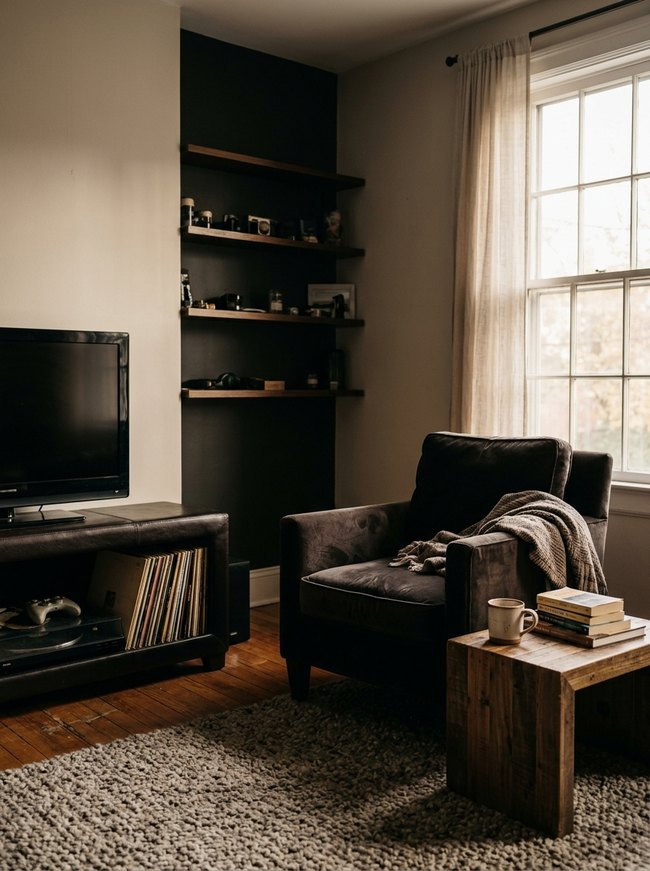
A dark charcoal wall behind floating wood shelves creates a cozy media zone. Painting one wall a deep color makes a small room feel warm and inviting. A dark accent wall adds depth without overwhelming the entire space.
Why My ‘Bright White’ Tiny Home Still Feels Like a Cave (and Yours Might Too)
Many people believe painting all walls pure white instantly expands a small room. Actually, a flat white paint often makes a tiny space feel cold and enclosed. Your crisp white kitchen, with its shiny chrome faucet, might lack inviting warmth. Most designers choose shades with subtle undertones to create a more spacious feel. A light gray with blue hints pushes walls away visually. Warm creams, like vanilla bean or whipped butter, reflect light with a gentle glow.
Consider the natural light entering your windows. A north-facing window casts cool, bluish light onto a white wall. A south-facing window bathes a room in warm, golden rays. Matching your paint’s undertone to the light quality matters. Most homeowners pick a color from a small swatch without testing it. Paint a large poster board with your chosen shade. Move the board around your small home at different times of day. Observe how the light changes the color. A light wood floor, perhaps blonde oak or pale maple, adds organic warmth to any color scheme. Avoid stark contrasts that chop up the room. Instead, choose wall colors and furnishings that flow together. A soft dusty teal couch, for instance, can complement a light cream wall without creating a harsh dividing line.
The ‘Dark Wall’ Illusion: How to Pick a Shade That Adds Depth, Not Dread
Most people assume a small room needs bright white paint. They believe light colors push walls away, making a tiny area feel more open. However, painting every wall a crisp, pale white often flattens a compact space, making it resemble a plain cardboard box. Your eyes have no deep corner to explore.
Actually, dark, cool-toned shades pull a wall back visually. Deep charcoal gray or forest green paint creates an amazing sense of depth. Pick a color with blue or purple undertones, like a dusty teal or a midnight blue, to achieve this illusion. Warmer dark colors, such as brick red or chocolate brown, can feel heavy and close in on you.
Consider painting just one accent wall a rich, dark hue. A single deep navy wall behind your bed or a kitchen counter offers a focal point, drawing the eye past the immediate foreground. This technique tricks your brain into perceiving extra distance where none exists. Another trick involves using a dark color on lower wall sections. Paint the bottom two-thirds of a wall in a deep olive green, then switch to a lighter complementary shade on the top third. Your ceiling will appear higher, and the room will gain unexpected vertical reach. This clever application of color expands the perceived dimensions of any small room.
Which Idea Will You Try First?
That’s 12 different takes on light vs dark tiny home. The best ideas above are usually the smallest moves — one material, one layout shift, one piece of furniture in the right place. Pick whichever room feels closest to your space and start there before tackling the rest.
Found an idea worth keeping? Save this post to your Pinterest board so it’s waiting for you when you’re ready to start your own project.