How to Choose a Color Palette for Your Tiny Home
Most folks pick paint like a giant canvas, splashing bold hues everywhere. Big rooms handle such drama. A compact living space, however, chokes on too many shades. Small square footage demands careful color choices. Consider your walls, the ceiling, even your wooden floorboards – every surface matters. A simple approach to picking colors makes a little place feel open, not like a closed box. Figuring out a strong tiny home color palette means making smart decisions upfront. The palette keeps the whole area feeling light and livable. We’ll show you how to narrow down your options to a few solid choices.
1. Warm Earthy Tiny Home
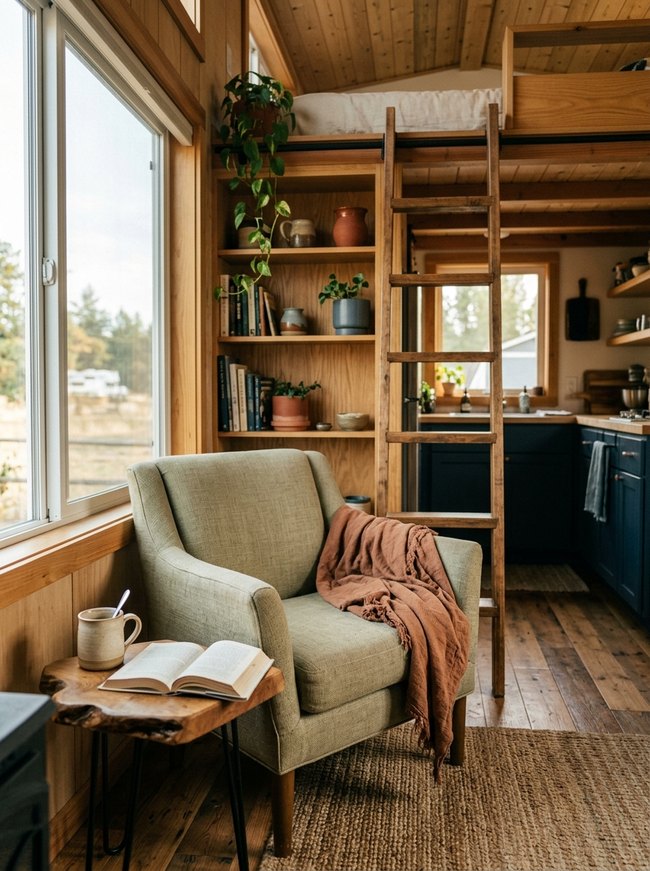
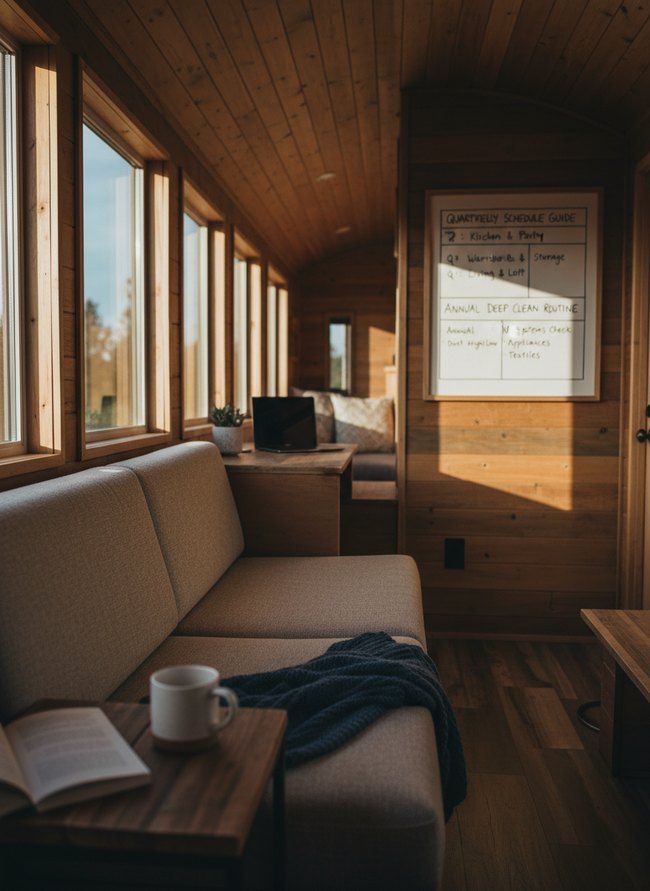
Warm honey-toned wood panels cover the walls and ceiling, creating a cozy, inviting atmosphere. A sage green armchair introduces a soft, natural accent color that works well with the rich wooden tones. When choosing a tiny home color palette, pick one main wood tone and then add two or three calm accent colors.
2. Cool Coastal Tiny Retreat
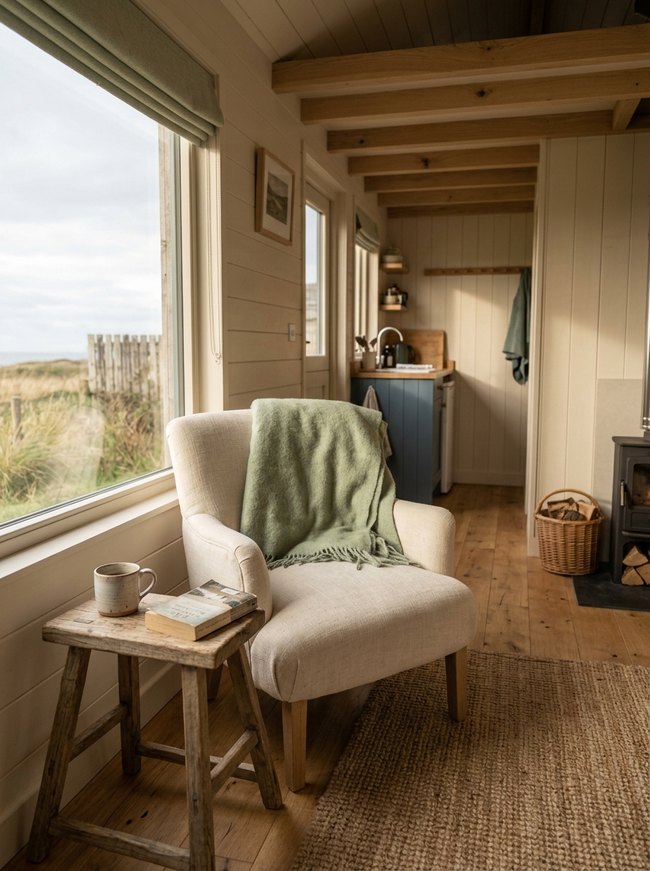
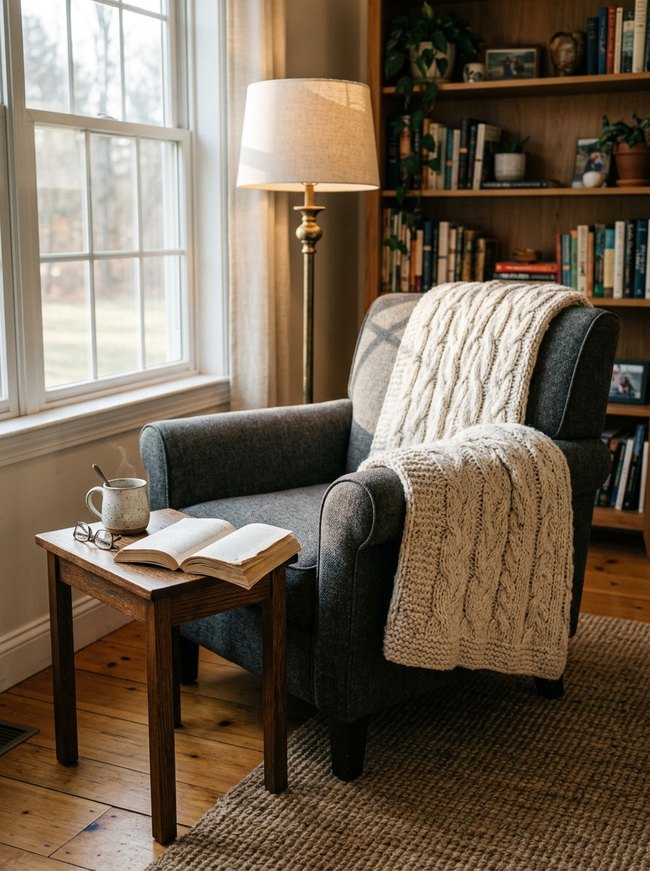
The soft sage green throw blanket draped over the cream armchair pulls the muted colors of the outdoor landscape inside. Homeowners can pick three to five colors from a view outside to build a calming tiny home color palette. Avoid bright, bold colors; instead, choose softer shades that match nature.
3. Minimalist Nordic Tiny Space
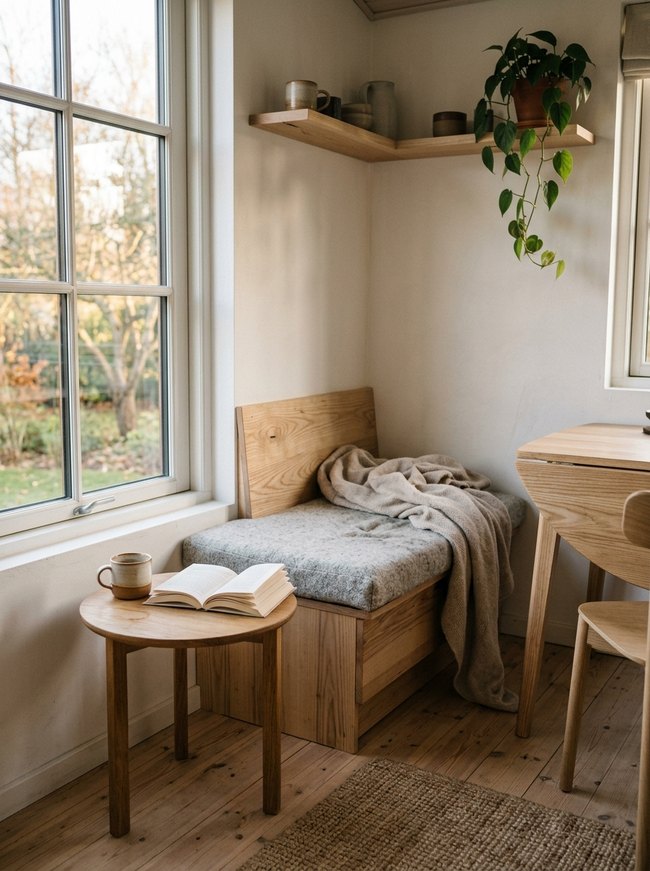
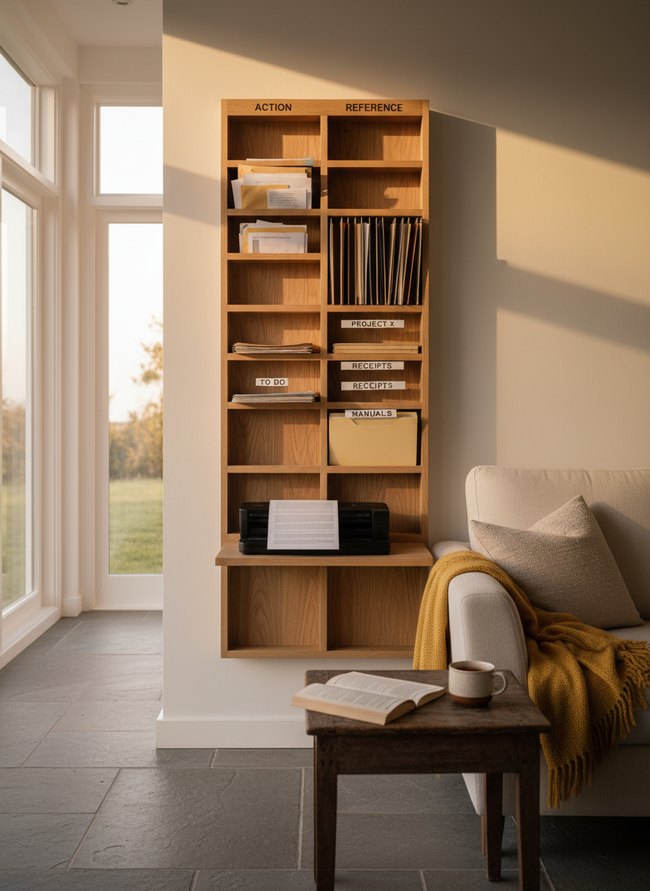
Light ash wood furniture creates a calm, open feeling. The tiny home color palette should use natural wood tones to warm up white walls. Avoid dark wood or heavy colors that shrink small spaces.
4. Vibrant Eclectic Tiny Dwelling
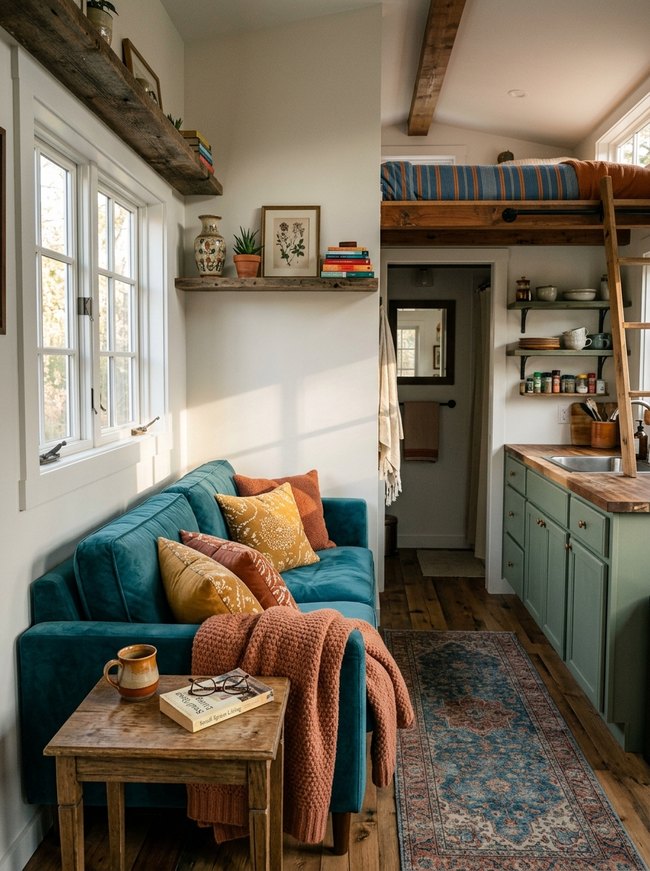
A vibrant teal sofa makes a bold color statement, drawing the eye across the small living space. Warm orange pillows and a chunky knit blanket add cozy texture, proving you can mix bright hues in a tiny home color palette. Consider choosing one main color for large furniture pieces and then add two or three accent colors through smaller items like throw pillows or rugs.
5. Serene Monochromatic Tiny Box
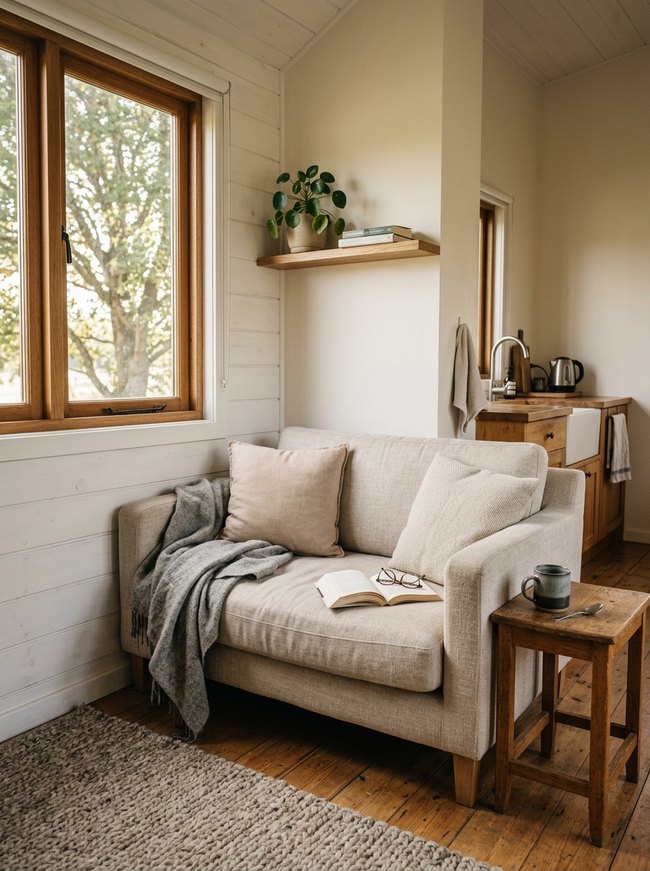
The light beige linen couch and thick knitted rug show how texture adds depth to a simple color scheme. Homeowners can create visual interest in a small space by layering different materials in similar muted tones. Three to five natural colors can be repeated throughout the tiny home color palette.
6. Bold Industrial Tiny Studio
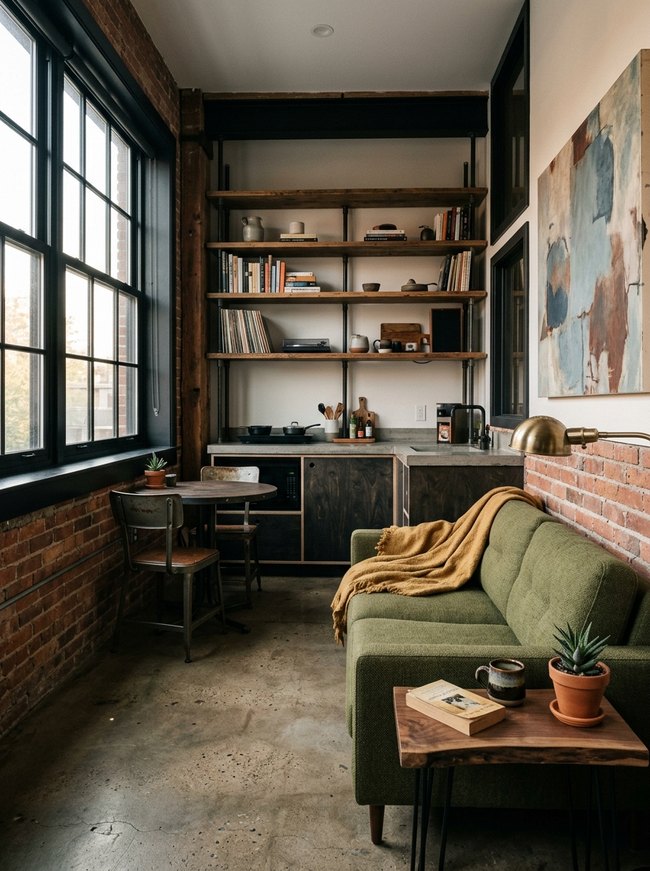
The exposed red brick wall provides a warm, earthy base for the small studio. An olive green sofa adds depth against industrial elements. Avoid too many bright colors; instead, natural materials like concrete floors and dark wood shelves define the space.
7. Soft Pastel Tiny Nook
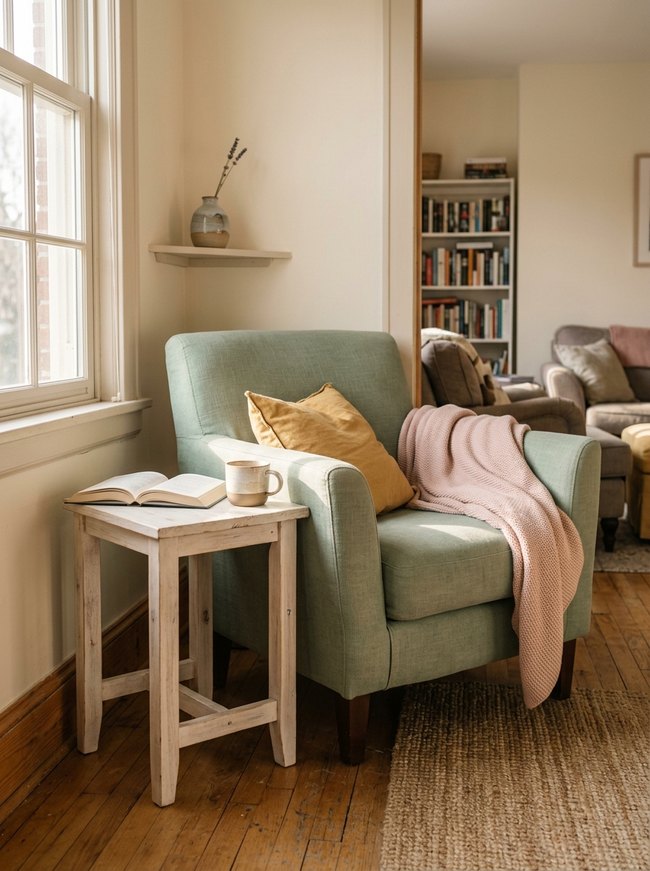
The soft green armchair offers a welcoming spot bathed in warm sunlight. Pale pastel shades combine with natural wood tones for a light, airy feel in the tiny home color palette. Dark, heavy colors make a small space feel smaller.
8. Rustic Woodland Tiny Cabin
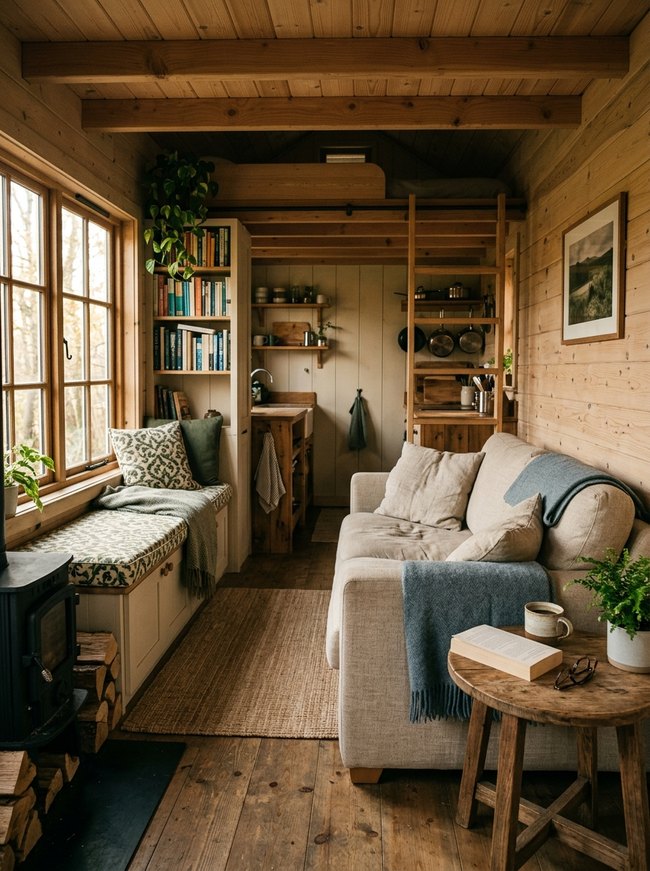
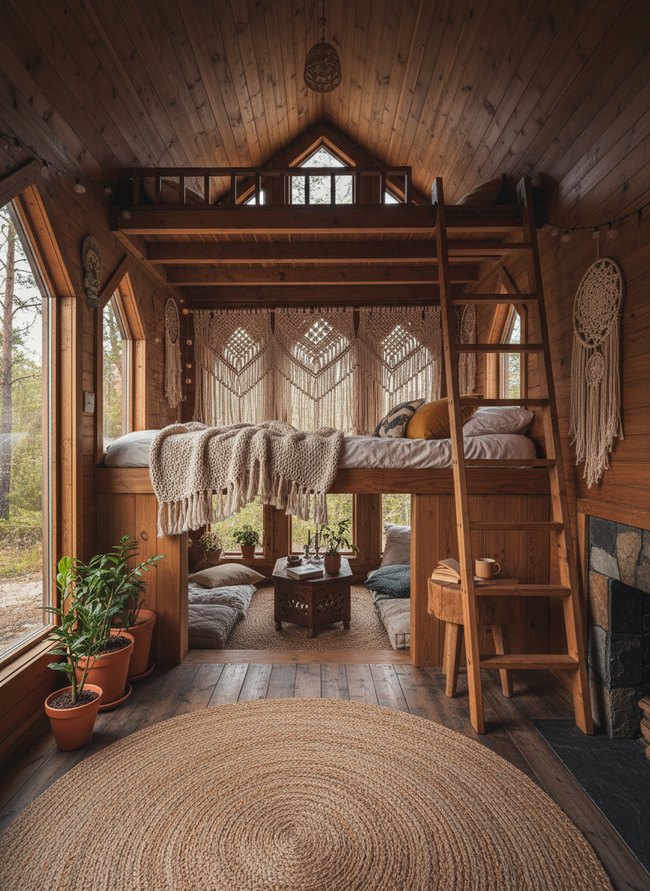
Honey-toned pine planks cover every wall and the ceiling, creating a warm, cozy feeling throughout the small space. Homeowners can easily pick 3-5 colors that work in small spaces by finding shades found in nature, like the deep green plants and dusty blue throws. Designers consider using a pale color for large built-in elements, like the window seat and kitchen cabinets, to keep the space from feeling too dark.
9. Modern Urban Tiny Loft
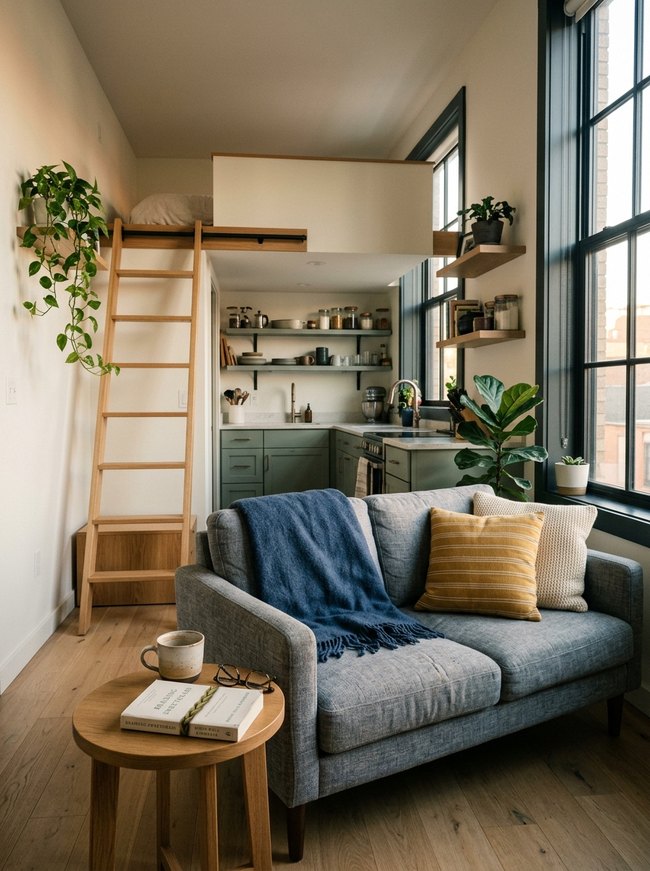
The soft blue sofa and dusty green cabinets show how cool colors create a calm feeling in a tiny home. Designers can mix different cool shades like deep blue, pale green, and charcoal gray to add depth without making the space feel busy. Homeowners can pick one main color for larger items and use two other cool colors for smaller touches like pillows or blankets.
10. Bright Playful Tiny Pad
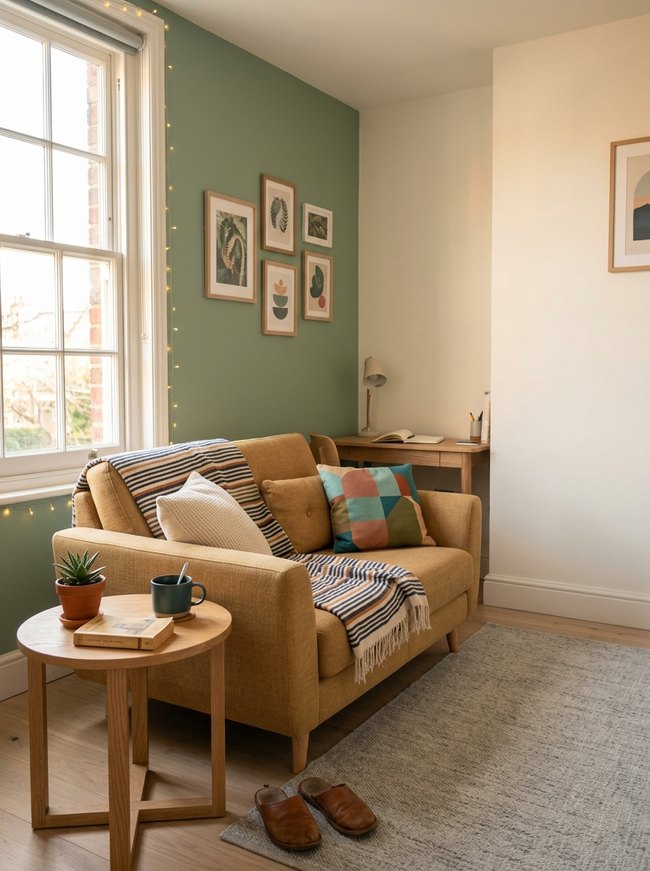
The mustard yellow sofa brings a warm, cheerful feeling to the small space. Designers easily pick three to five colors that work in small spaces by choosing one bold shade, like the sage green wall, and pairing it with lighter, neutral tones on other walls and floors. A few playful patterned pillows and a textured throw blanket complete the tiny home color palette.
11. Deep Jewel Tiny Interior
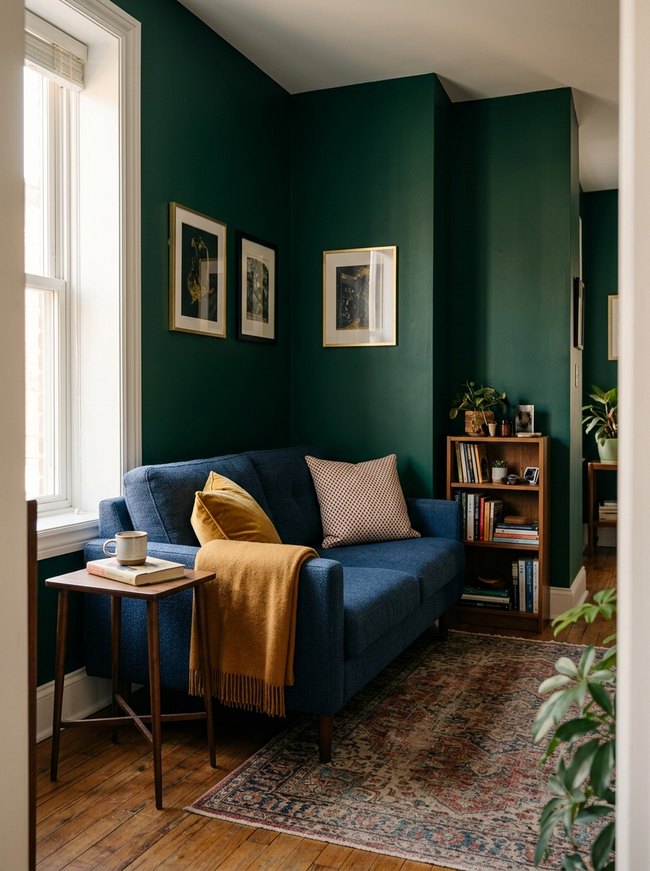
Rich emerald walls create a dramatic backdrop for the cozy blue sofa and warm gold accents. Painting one wall a deep color adds immediate depth to a tiny home color palette. Avoid using light, cool colors on all walls for a rich, layered feel.
12. Desert Sunset Tiny Abode
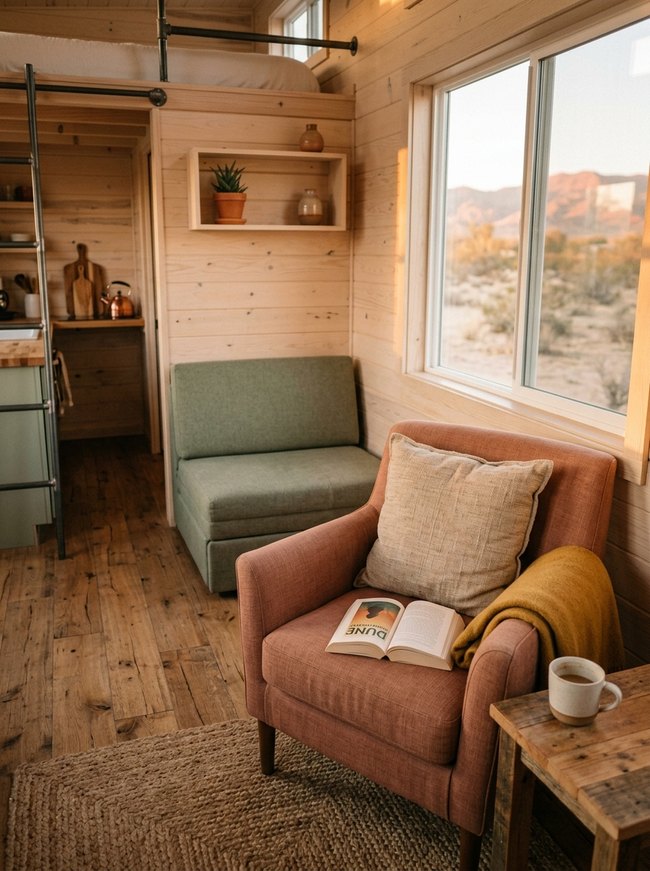
A dusty rose armchair draws the eye, proving small spaces can handle bold color. Layering a soft green sleeper sofa and a textured jute rug with natural wood walls creates a cohesive tiny home color palette. Picking one main color and two muted tones avoids using too many bright colors.
Beyond White: How to Add Color Without Making Your Tiny Space Feel Even Smaller
Most people assume white paint is the only way to make a small room feel open. Actually, a single bright color on every wall can close a space in, making your tiny home feel like a box. Wise designers know color works differently in compact areas. Pick three to five colors that work together, not just one.
Instead of painting all four walls a bold ocean blue, try a different approach. Paint the back wall a deep navy, drawing your eye past the front door. This trick visually stretches the room’s length, making it seem longer. Then, introduce a lighter sky blue on a smaller accent, like a woven throw blanket draped over a wooden armchair. Your main wall color should be a light, neutral shade, perhaps a soft cloud gray or creamy ivory.
Many homeowners only consider wall paint for color. However, colorful furniture pieces offer powerful visual impact without shrinking the floor plan. A mustard yellow velvet cushion on a window bench adds warmth and a pop of cheer. You can also bring in vibrant hues through textiles. A rust-colored striped rug on a blonde oak floor defines the living area without consuming it. Bright pottery mugs on open pine shelves provide quick, movable splashes of color. Remember, contrasting colors create depth, making your small space appear wider and more dynamic.
The ‘Oops!’ Guide: What to Do When Your Chosen Colors Clash or Overwhelm
Many people think a clashing color palette means starting over with new paint cans. However, small adjustments often save your walls and your wallet. Most homeowners add more competing colors to fix a busy room, but this strategy only amplifies the visual noise. Instead, simplify your base.
Consider removing one bold color from your wall art or throw pillows. A single oversized charcoal rug on your light wood floor can ground a room with too many bright shades. You might swap out a patterned armchair for one in a solid, muted dusty teal. Remember, strong contrast demands careful placement.
Another common mistake involves ignoring texture. People often choose smooth, shiny surfaces everywhere, which reflects light harshly and makes colors pop too aggressively. Try introducing a woven basket or a thick plaid wool throw blanket. These tactile elements absorb light, softening the overall effect of intense wall colors.
Perhaps your tiny home feels overwhelming because every color screams for attention. Most advice suggests adding a neutral, but a better approach involves muting existing tones. You can layer a honey-toned linen curtain over a bright window to diffuse sunlight and tone down a vibrant wall color. This trick softens the room without repainting.
Finally, too many small, colorful objects create visual clutter in any small space. Many decorators recommend displaying everything you own, yet a curated approach works better. Remove half your small decorative items from open shelves. Group the remaining objects by color or material, like brass candlesticks with a dark ceramic vase, to create calm pockets.
Which Idea Will You Try First?
That’s 12 different takes on tiny home color palette. The best ideas above are usually the smallest moves — one material, one layout shift, one piece of furniture in the right place. Pick whichever room feels closest to your space and start there before tackling the rest.
Found an idea worth keeping? Save this post to your Pinterest board so it’s waiting for you when you’re ready to start your own project.