10 ADU Trends Taking Over 2026
Most articles on new structures suggest grand shifts; reality shows small, slow changes. A cinder block foundation, for example, remains a foundational element for decades. ADU trends 2026 reveal subtle shifts in material use and clever space solutions. Honey-toned plywood panels now line interior walls, replacing painted drywall in many designs. Concrete floors, polished smooth, offer cool, durable surfaces underfoot. A three-tier cedar deck, built around a mature oak, connects indoor and outdoor living in novel ways. Flat roofs, topped with drought-resistant sedum, capture rainwater and lessen heat gain. The precise details demonstrate enduring patterns, not fleeting fads.
1. Modular Prefabricated Backyard Unit
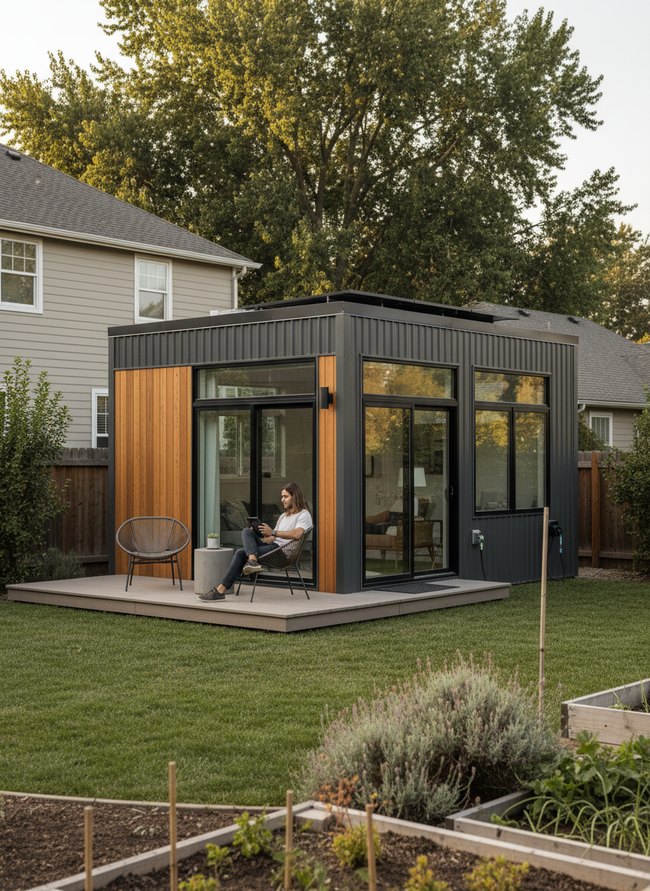
Dark corrugated metal siding creates a clear visual boundary for the modular prefabricated backyard unit, separating it from the light green lawn. Large black-framed glass sliding doors offer expansive views into the interior living space. A warm cedar wood panel accent adds organic texture, softening the industrial materials of the structure. Steal the distinct material contrast.
2. Sustainable Net-Zero Dwelling
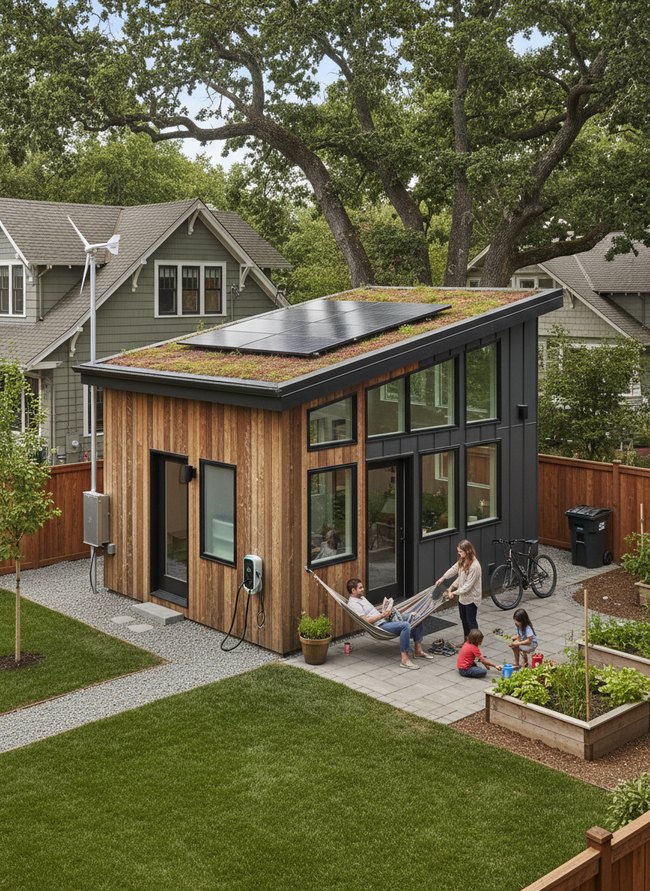
The steep single-pitch roof on the small wooden structure maximizes surface area for solar panels and a green roof. The design allows for efficient energy generation and natural insulation, creating a sustainable net-zero dwelling. Black framed windows along the dark gray siding offer stark contrast to the warm cedar planks. Incorporate a green roof into your next ADU.
3. Adaptable Family Companion Suite
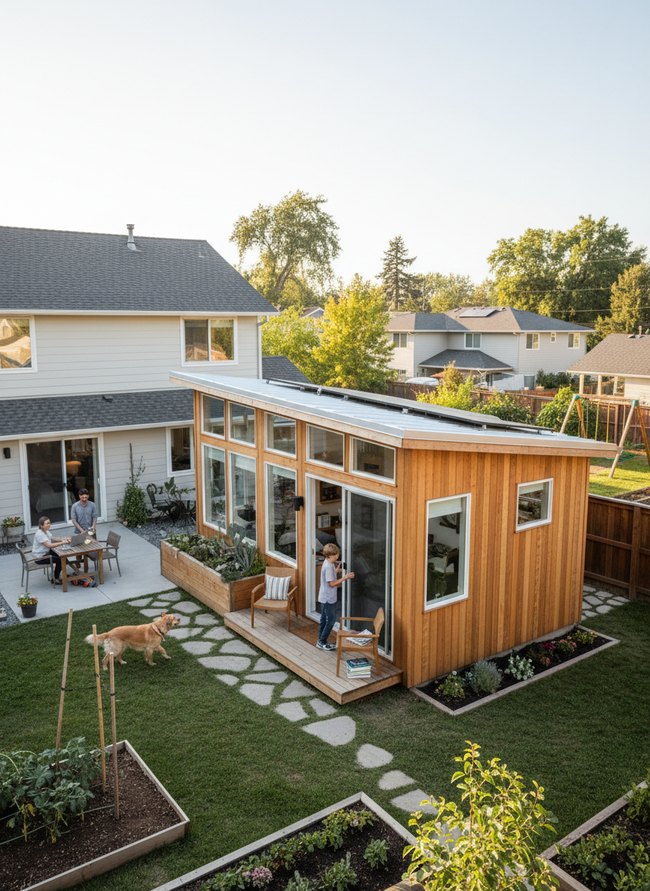
The sloped shed roof with solar panels creates a modern, energy-efficient profile for the ADU. Large white-framed windows line the long cedar-clad wall, allowing natural light into the dwelling unit. A small wood deck and stone path connect the structure to the main house. Steal the solar panel integration for your own accessory dwelling unit.
4. Compact Urban Infill Studio
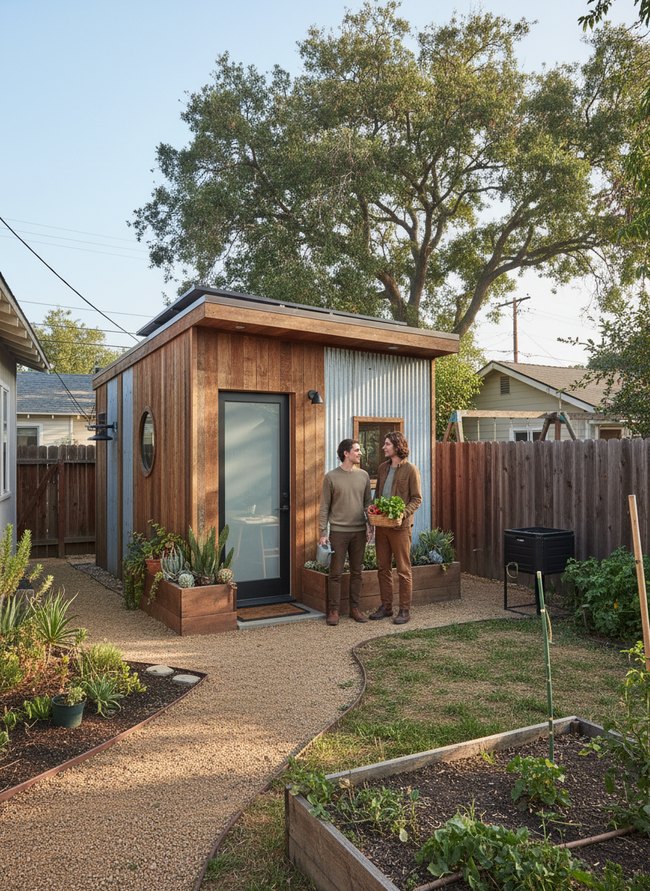
Corrugated metal and warm wooden siding create appealing texture on the compact structure. The clever mix of materials gives the small building a unique, modern look, fitting for ADU trends 2026. A black main door and small round window break up the wood and metal panels. The contrasting material palette defines the design.
5. Attached Garage Conversion Living
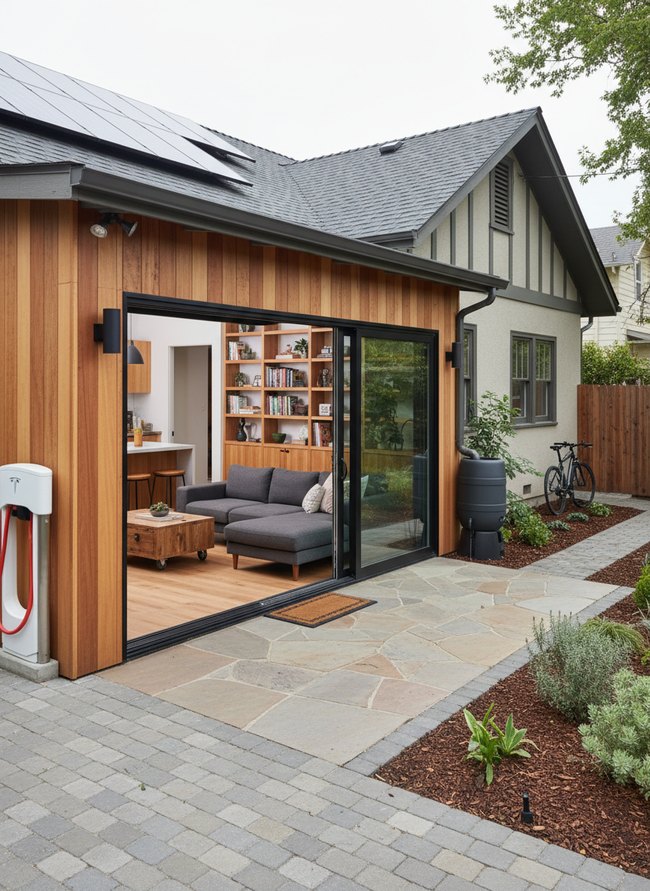
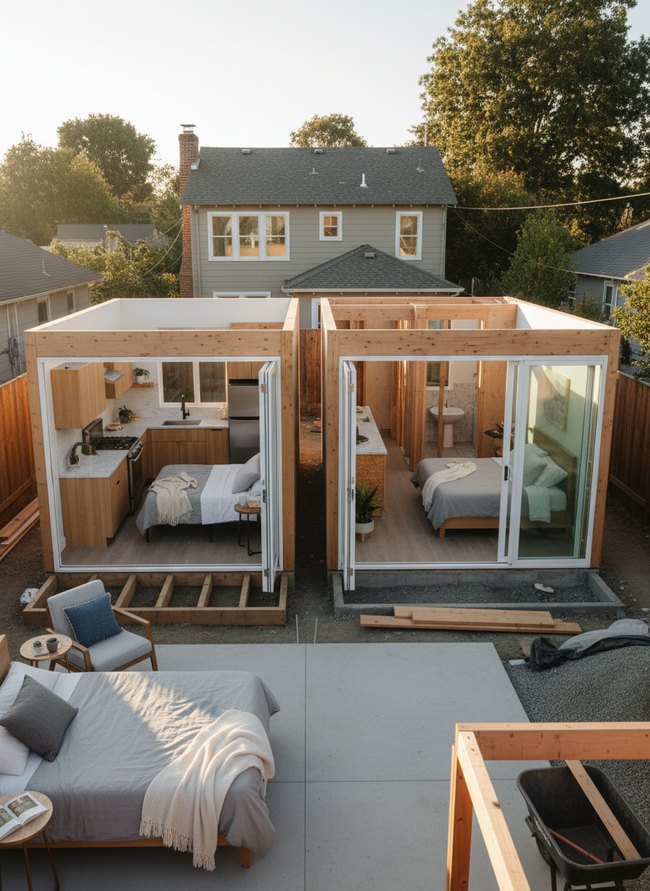
Expansive black sliding glass doors create a seamless connection between the interior living space and the outdoor patio. The design choice visually extends the small interior, making the ADU trends 2026 feel much larger and more open. Light wood paneling on the exterior and warm wood flooring inside further unify the structure. Open the doors to steal this feeling of spacious connection.
6. Multi-Generational Garden Cottage
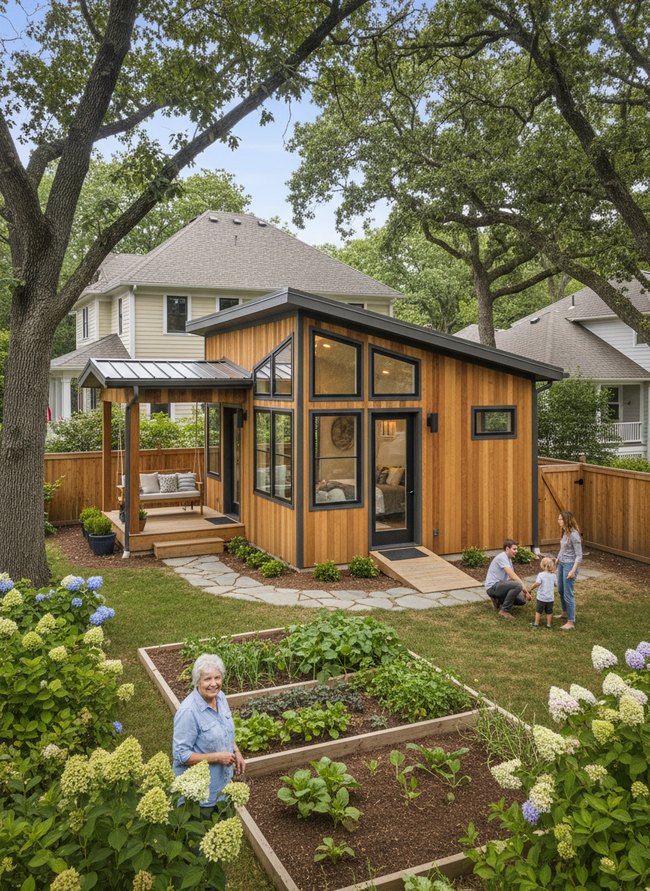
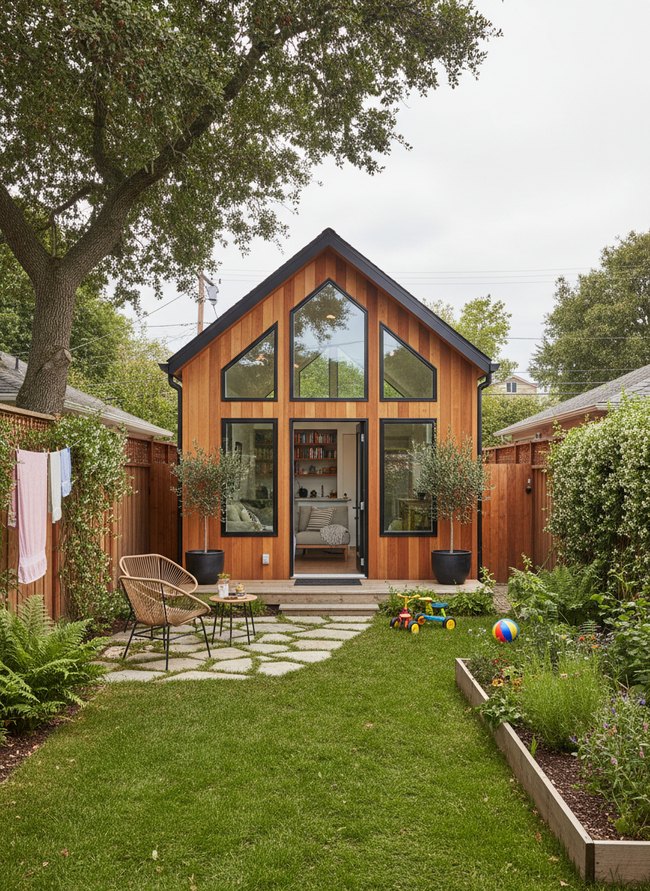
The single-slope roofline on the cedar-clad structure creates a modern, spacious feel for this backyard ADU. The design choice maximizes interior volume, making the small footprint feel much larger and brighter. A wooden ramp leads to the main entrance, ensuring easy access for all ages and abilities. The simple, clean roofline is the move to steal from this ADU.
7. Elevated Backyard Retreat Pod
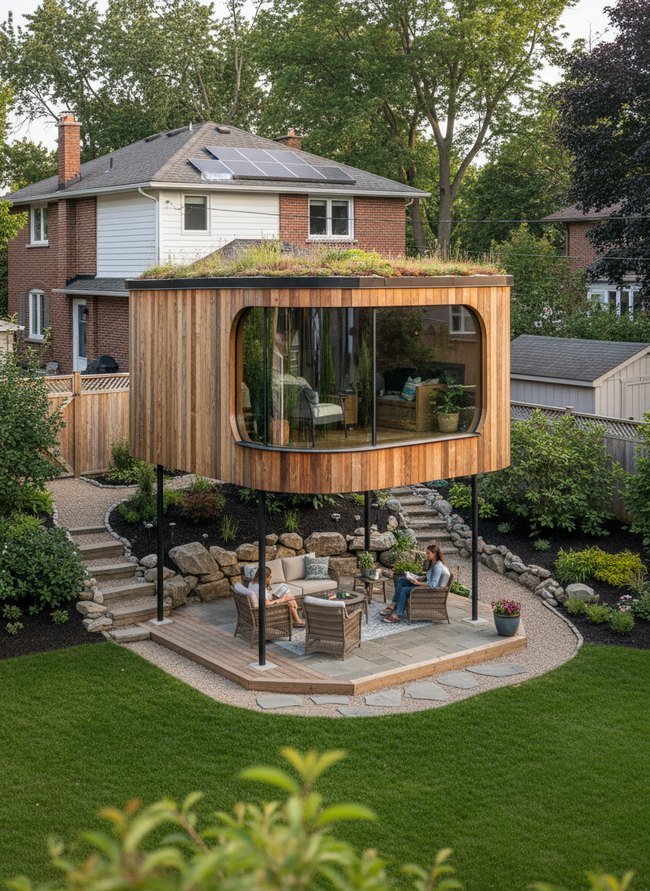
The curved walnut wood paneling of the elevated backyard pod creates a welcoming, organic shape in the garden. The design choice softens the structure, making the auxiliary dwelling unit feel like a natural extension of the landscape rather than a boxy addition. A green living roof adds another natural element, while the large, rounded window frames outdoor views. Steal the curved wood details to make your own ADU trends 2026 feel less imposing.
8. Smart Tech Integrated Dwelling
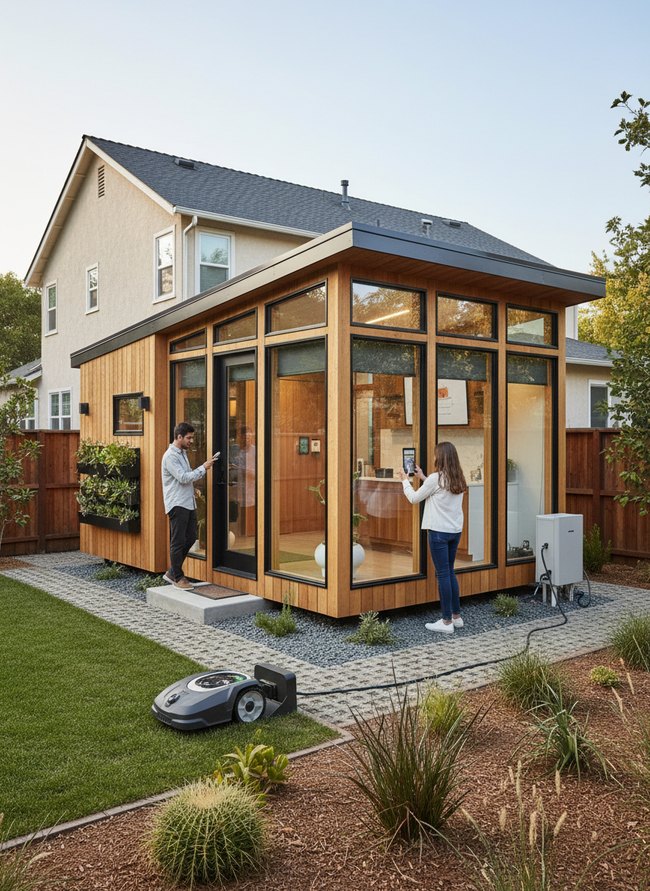
The cedar-clad dwelling features expansive black-framed glass walls, creating an open, bright interior. The glass walls allow natural light to flood the small living space, making the room feel larger and more connected to the outdoor environment. A smart robotic lawn mower handles yard work, while a vertical garden planter adds living green texture to the exterior. Maximizing natural light in an ADU creates a spacious feel.
9. Minimalist Scandinavian Inspired Unit
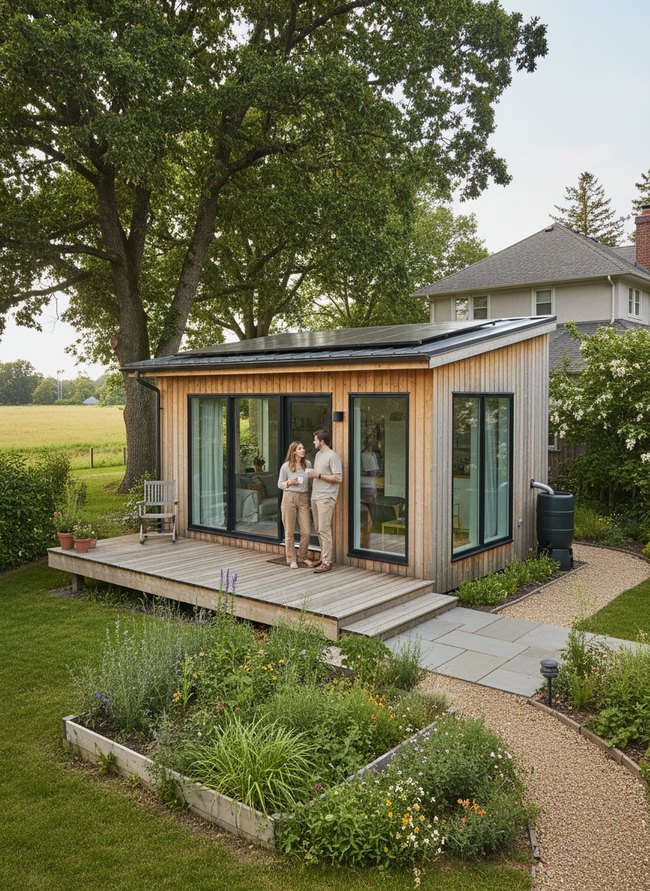
The detached wooden structure uses abundant natural light to connect indoors with outdoor green spaces. Dark solar panels on the single-slope roof emphasize clean energy, a key element in accessory dwelling unit trends 2026. Tall black-framed windows and sliding glass doors fill one entire wall, inviting the garden inside. The most important move to steal here is the use of large glass panels for expansive natural views.
10. Flexible Work-From-Home Space
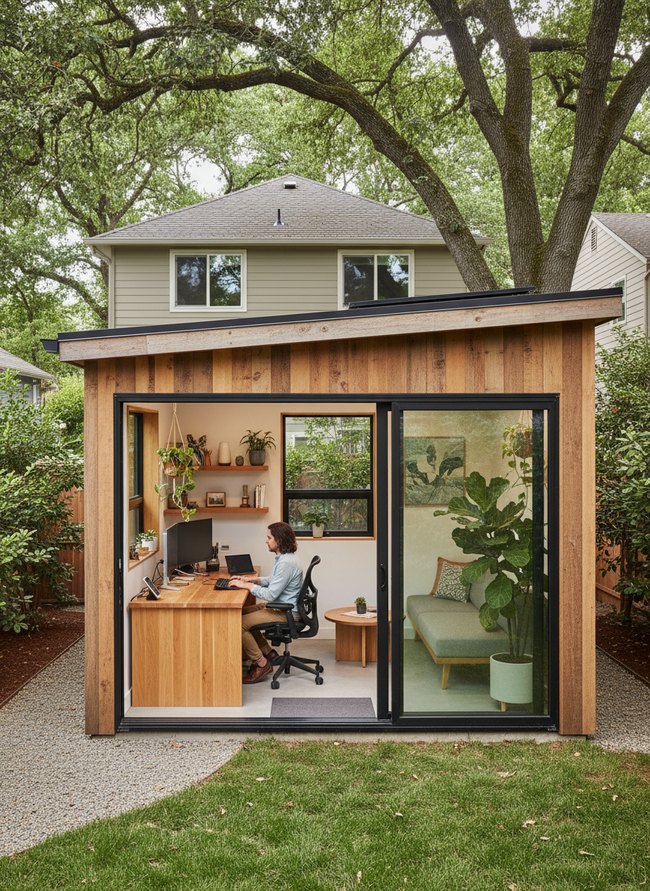
The detached wood-sided structure maximizes natural light with a floor-to-ceiling glass sliding door. The design creates an airy, bright work environment separate from the main house, a key ADU trends 2026 feature. Inside, a light oak desk provides a generous workspace, while potted green plants add vibrant life. Large glass panels create bright, detached work zones.
The ‘Flexible Footprint’ Paradox: Optimizing for Multi-Generational Living in Limited ADU Square Footage
Flexible footprints within accessory dwelling units solve the paradox of multi-generational living in smaller spaces. A rolling, honey-toned oak island on locking industrial casters allows a kitchen to change shape. Older adults need clear walkways; children need open floor for play. A three-tier steel shelving unit, powder-coated in matte charcoal, can provide storage in the dining zone, then easily relocate to a craft corner. Your design can adapt to shifting household needs with modular elements. Fixed built-ins, like a large, unmovable dining bench, limit how a small ADU functions through years of change. Instead, consider a pair of low-slung, fabric-covered ottomans in dusty teal that offer seating or a footrest. These pieces move easily for a quiet reading nook or a lively game area. A lightweight, double-wide folding room divider, crafted from woven bamboo, creates instant privacy for a study area or a guest sleeping zone. Homeowners gain practical space with adaptable pieces.
Deconstructing the ‘Smart Ecosystem’: Beyond Connectivity to Predictive ADU Performance
Predictive ADU performance moves past simple smart home devices. Your wireless thermostat, a small white rectangle on the wall, learns your daily schedule. Homeowners often install a single smart device, thinking the job is done. However, true predictive systems gather data from many points, like outside temperature sensors and your kitchen’s smart oven. These connected components then anticipate your needs. A solar panel array on your roof, for instance, talks with your home battery system. This deep communication helps store power during peak sun hours. You avoid buying expensive grid electricity. Individual smart plugs, while helpful, cannot create this layered efficiency. A single motion sensor in your hallway, for example, just turns lights on and off. A full ecosystem, though, might dim bedroom lights before sleep. This network creates a comfortable interior climate. Your ADU becomes a responsive, energy-saving environment. Dark wood cabinets in the kitchen integrate seamlessly with automated lighting. The future of small living spaces is here.
Which Idea Will You Try First?
That’s 10 different takes on adu trends 2026. The best ideas above are usually the smallest moves — one material, one layout shift, one piece of furniture in the right place. Pick whichever room feels closest to your space and start there before tackling the rest.
Found an idea worth keeping? Save this post to your Pinterest board so it’s waiting for you when you’re ready to start your own project.