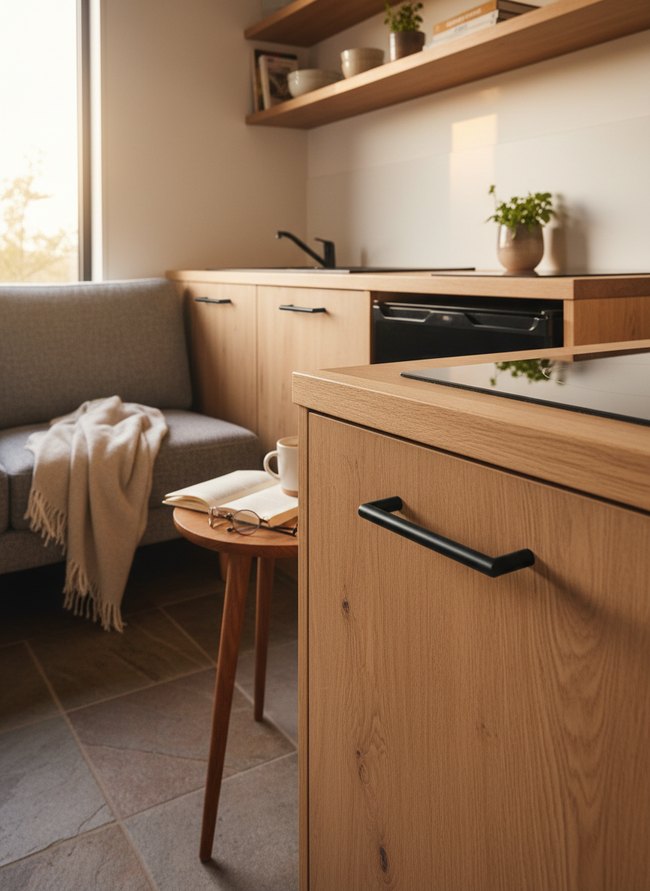
12 Tiny Bedroom Design Mistakes That Hurt Your Sleep
Dark charcoal walls and a plush rug cannot compensate for poor light management in a small room. Many decorators preach deep colors for coziness; however, dark tones only highlight the absence of natural light, shrinking the perceived volume of your sleeping quarters. Your bedroom’s layout directly impacts the quality of your nightly rest. A tall oak dresser, positioned incorrectly, blocks essential air circulation and creates a visual barrier in a small space. We highlight common errors that diminish your sleep quality. Even a soft cotton duvet cover, mismatched with oversized throw pillows, can disrupt the visual calm necessary for deep sleep. Tiny bedroom mistakes often go unnoticed by residents, yet they subtly sabotage restorative downtime.
1. Overstuffed Furniture Placement
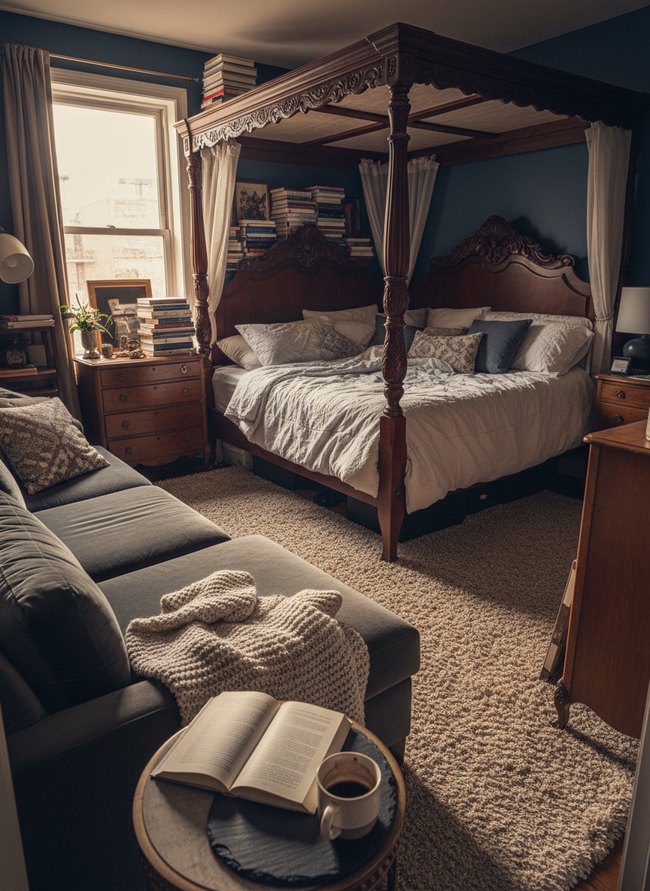
The large four-poster bed dominates the room, creating a cramped feeling with its ornate wooden frame and white fabric drapes. A dark gray chaise lounge sits too close to the bed, leaving little walking space on the light beige shag carpet. Designers should avoid oversized furniture in a small room.
2. Cluttered Nightstand Chaos
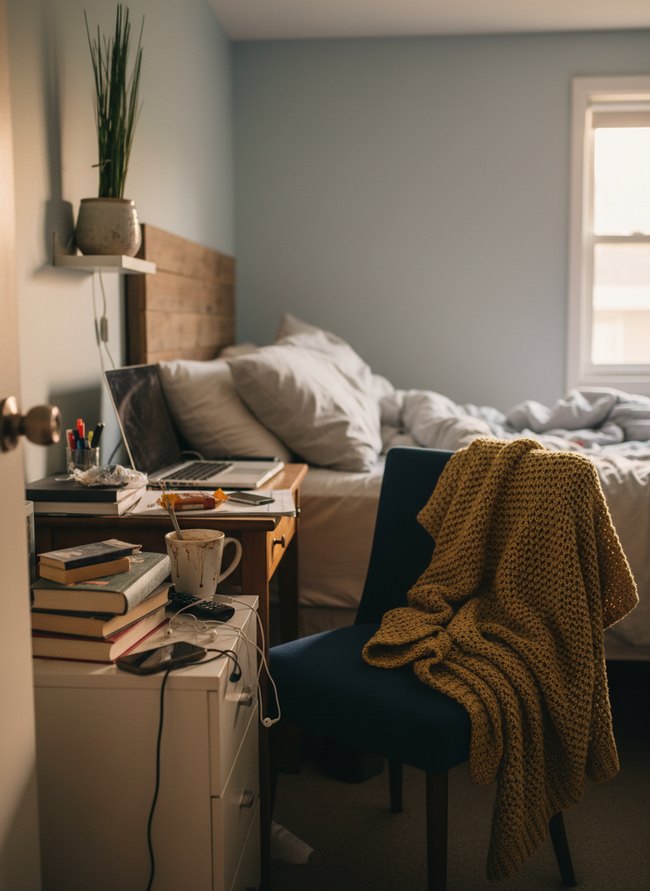
The wooden nightstand overflows with a laptop, a white mug, and several paperback books, demonstrating common tiny bedroom mistakes that disrupt calm. A small white filing cabinet below the nightstand also holds a dark phone and tangled white earbuds, adding to the clutter. The bedroom should be a place of rest, not an office or storage unit. Prioritize clear surfaces.
3. Dim Inadequate Lighting
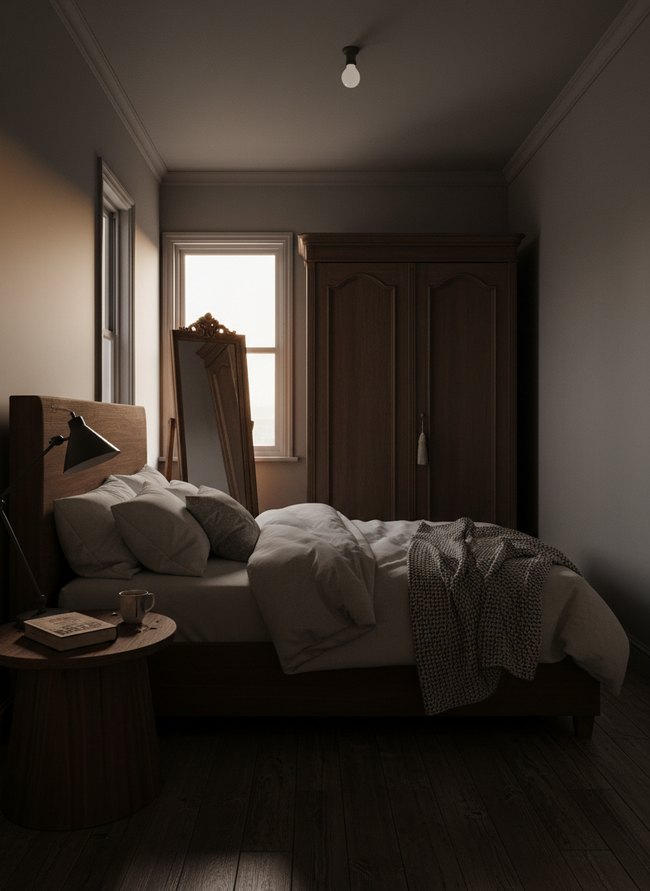
A single bare bulb on the ceiling creates harsh, insufficient light, leaving most of the tiny bedroom in deep shadow. The common mistake makes a small sleeping space feel even smaller, neglecting layered illumination needed for comfort. A decorative gold-framed mirror leans against the wall, reflecting natural light from the window. Consider adding a task lamp.
4. Bold Pattern Overload
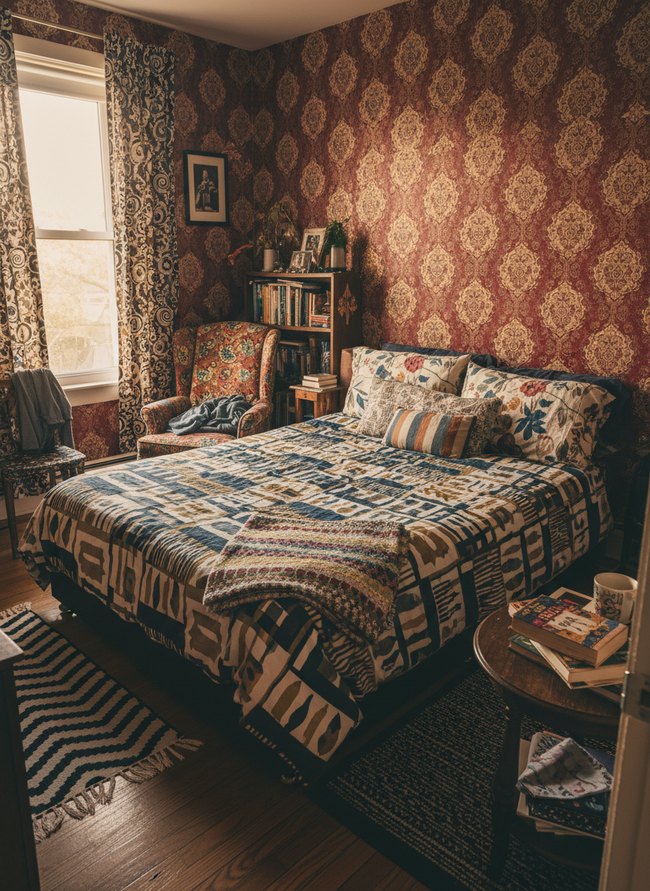
The rich red patterned wallpaper overwhelms this small bedroom. Dark patterned curtains and a busy floral armchair fight for visual attention with the bed’s geometric blue quilt. Designers should choose one bold pattern for a tiny bedroom design.
5. Unnecessary Floor Obstructions
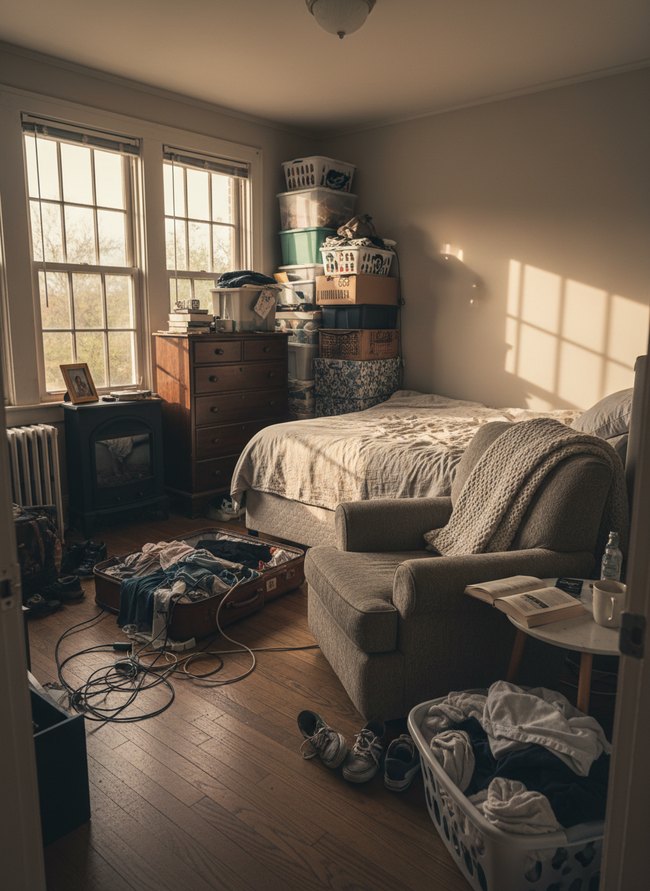
A brown suitcase, spilling clothes onto the honey-toned wood floor, creates a clear trip hazard in the tiny bedroom. The suitcase and loose wires obstruct valuable walking space, making the small room feel even more cramped and unsafe. Two pairs of sneakers and a full white laundry basket further clutter the walking path. Clear floors prevent tiny bedroom mistakes.
6. Heavy Dark Drapery
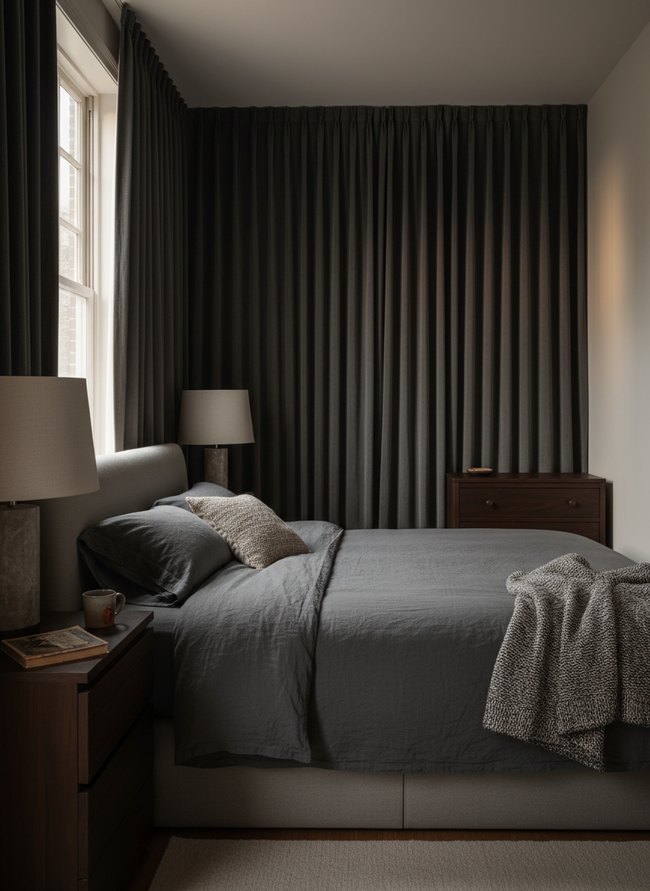
Dark gray ceiling-to-floor drapes block bright window light, making the small room feel more cramped. Heavy fabric panels overpower the modest bed and two small nightstands. A tiny bedroom should feel open and airy.
7. Busy Wall Gallery
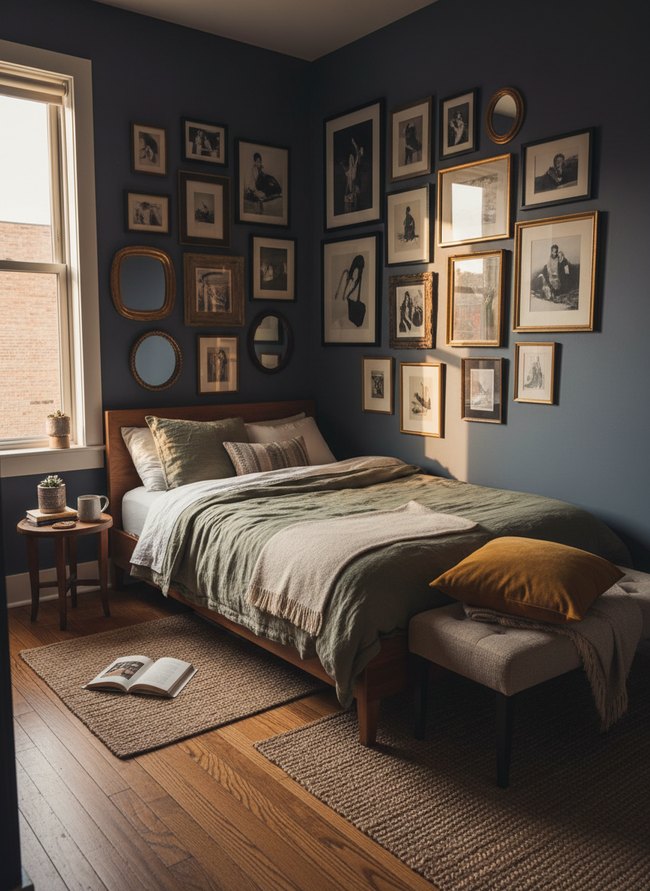
The dark blue wall behind the bed holds a dense gallery of framed pictures and mirrors, creating visual clutter in the small sleeping space. The arrangement of many small, gold-framed items overloads the eye, making the room feel smaller and less restful. A single large piece of artwork or a few carefully chosen prints would offer a calmer backdrop for sleep. Choose one large focal point.
8. Exposed Storage Mismatch
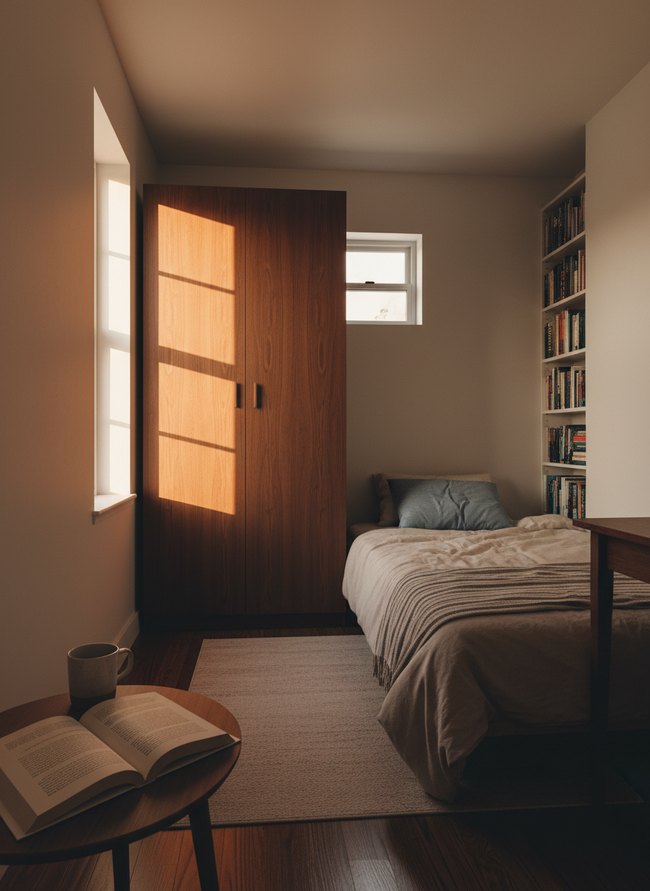
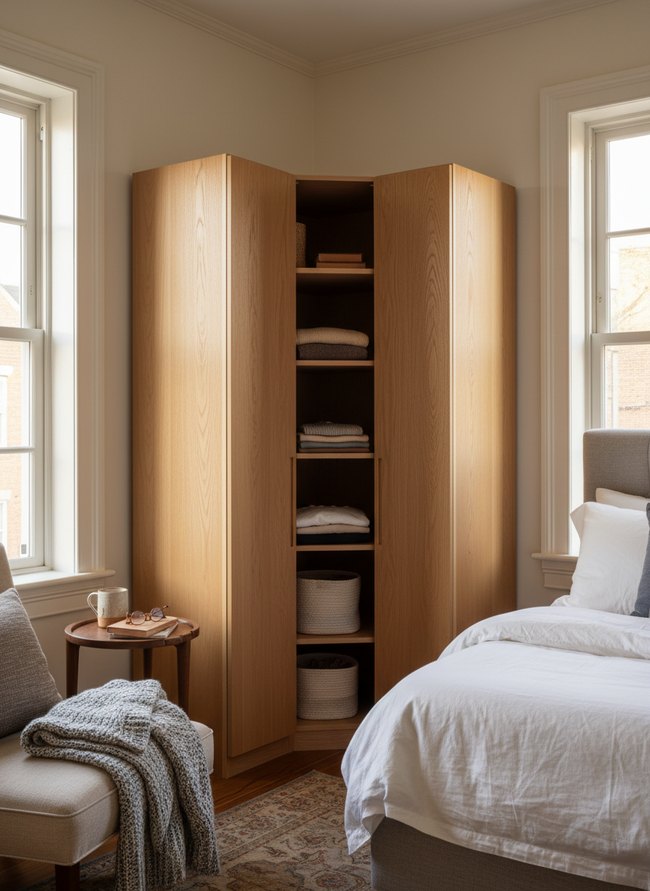
A tall wooden wardrobe with clean lines solves a common problem in tiny bedroom design. The smooth, flat surface disappears into the pale wall, letting warm sunlight become the focal point. White built-in bookshelves against the far wall offer quiet storage for many books. Homeowners can replicate the clever, hidden storage solution.
9. Desk Over Bed
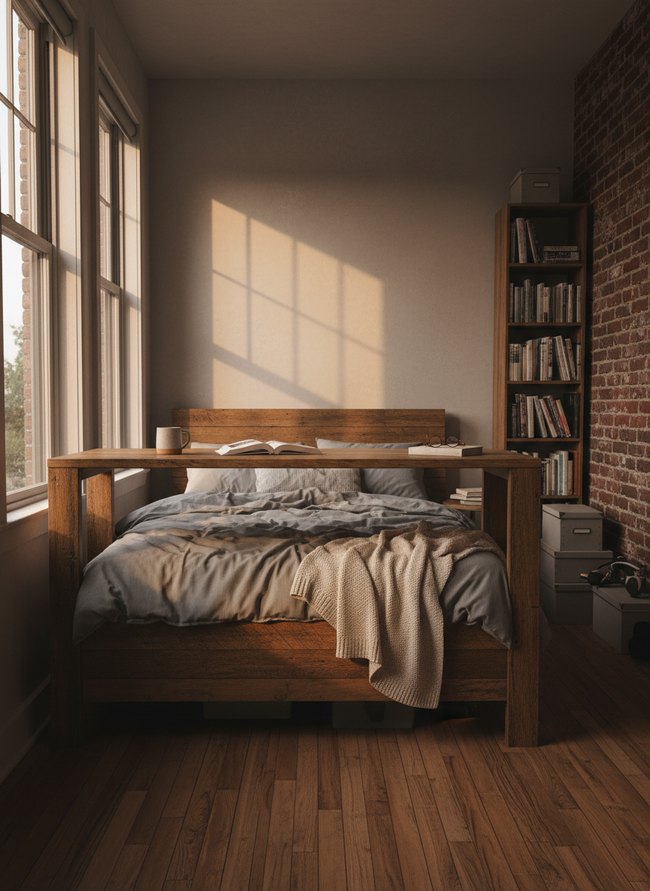
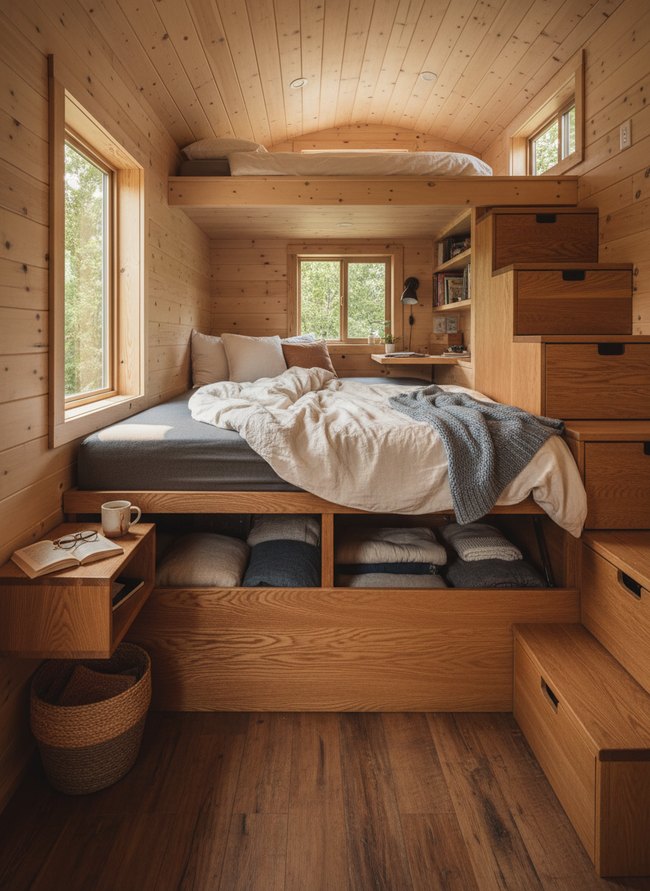
A wide wooden desk built over the bed creates a challenging tiny bedroom mistake. The desk limits natural light, making the gray bedding feel dim. You can steal the idea of a cohesive wooden bed frame.
10. Dust Collecting Decor
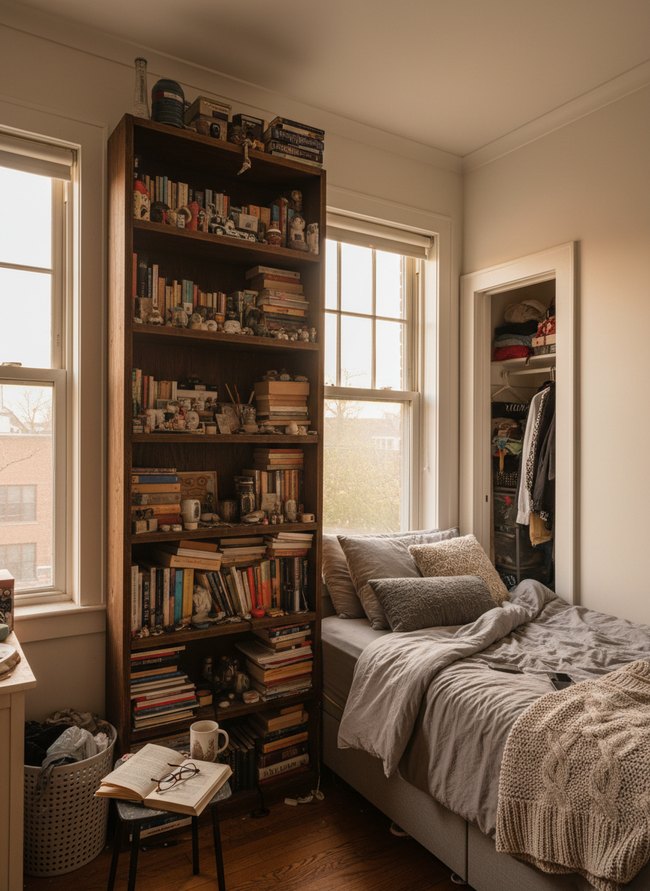
The dark wood bookshelf overflows with books, small trinkets, and decorative objects. A full bookshelf next to a bed in a small room creates visual clutter, making the sleeping area feel cramped and busy. The open closet door on the right reveals stacked items, adding to the room’s crowded feel. Avoid displaying many small items in a tiny bedroom.
11. Misplaced Large Mirror
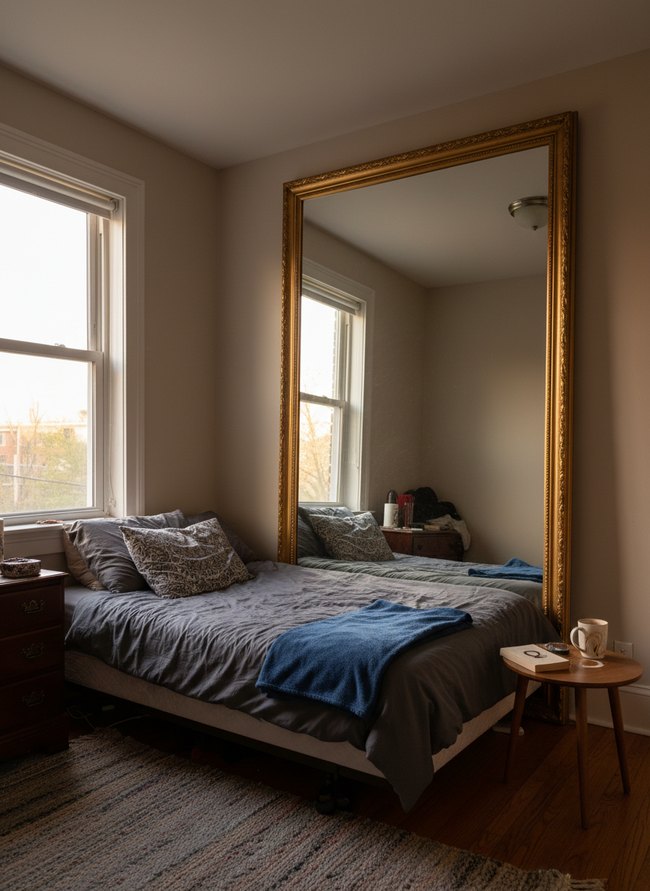
A tall, gold-framed mirror stands directly beside the bed, reflecting the window and making the small bedroom appear larger. The ornate wooden frame reaches from the dark wood floor to the pale ceiling. The mirror’s placement creates an illusion of expanded space, not a tiny bedroom mistake at all. Positioning a large mirror to reflect natural light is a smart trick.
12. Unorganized Tech Cables
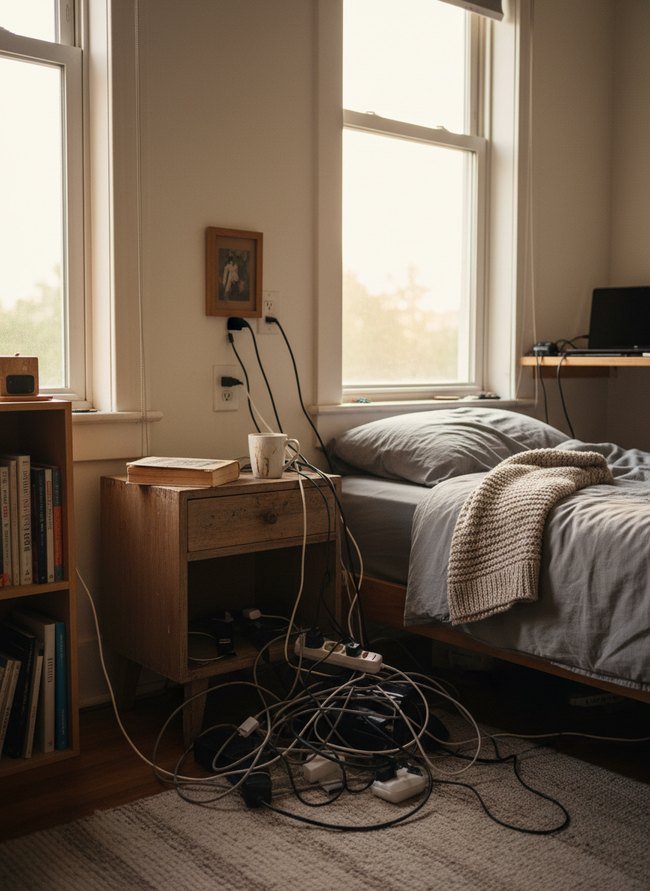
A tangled mass of black and white cables creates a visual mess underneath the wooden nightstand. The chaotic arrangement of power strips and charging cords clutters the floor space, making the small bedroom feel disorganized. A light gray knit blanket rests on the bed, providing a soft contrast to the hard tech. Managing power cables is the move worth stealing.
Circadian Rhythm Entrainment: The Spectral Properties of Light and Sleep-Wake Cycles
Blue light emissions from bedroom fixtures disrupt natural sleep cycles. A cool white LED bulb in your nightstand lamp, for instance, projects sharp, high-energy light waves that signal daytime to your brain. Scientific studies confirm that this bright blue light actively suppresses melatonin production, a key hormone for regulating sleep. Warm orange or deep red light, by contrast, helps your body prepare for rest. A soft, amber-toned Himalayan salt lamp on a dark wood dresser casts gentle illumination, supporting your body’s natural wind-down process. Many homeowners mistakenly fill small sleeping spaces with overhead track lighting that blasts white or pale blue light. Such strong, cool light tricks your internal clock, making falling asleep a much longer struggle. A bedside lamp with a frosted glass shade and a low-wattage, warm-spectrum bulb better supports your body’s need for darkness and calm before sleep.
Thermal Regulation in Sleep: Convection, Conduction, and Radiative Heat Transfer in Bedding Materials
Your mattress and bedding materials directly control your body’s temperature regulation during slumber. Cotton sheets, for example, offer a breathable layer, allowing warm air to move away from your skin. Polyester blankets, conversely, trap heat close to your body, creating a warm microclimate. Many sleepers choose a plush, deep mattress, but a thick memory foam slab holds body heat with impressive stubbornness. Wool blankets naturally wick moisture, preventing clammy discomfort during humid nights. Synthetic duvet inserts, on the other hand, often create a sealed pocket of warmth around you. A solid wood bed frame offers neutral thermal properties, unlike a metal frame that can feel cold to the touch. Consider a firm mattress with a natural latex core for cooler rest. Soft, synthetic pillow tops hinder air circulation, making your head and neck uncomfortably warm. Thin linen pillowcases help dissipate heat from your face. Overstuffed feather pillows can also trap significant body warmth.
Which Idea Will You Try First?
That’s 12 different takes on tiny bedroom mistakes. The best ideas above are usually the smallest moves — one material, one layout shift, one piece of furniture in the right place. Pick whichever room feels closest to your space and start there before tackling the rest.
Found an idea worth keeping? Save this post to your Pinterest board so it’s waiting for you when you’re ready to start your own project.