14 Multi-Functional Coffee Tables Perfect for Tiny Living
Most small living spaces suffer from too many single-purpose furniture pieces, crowding open floor plans. The coffee table, a squat wooden block or a low metal frame, often consumes prime square footage without offering much back. Clever design solutions, however, transform a simple surface into a versatile workhorse for compact areas. You need furniture that pulls double duty, sometimes even triple. The list shows 14 multi-functional designs, each offering smart storage or adjustable height for your small apartment. Each piece features sturdy construction and clever mechanics, giving you more than just a place to set your drink.
1. Lift-Top Storage Compact
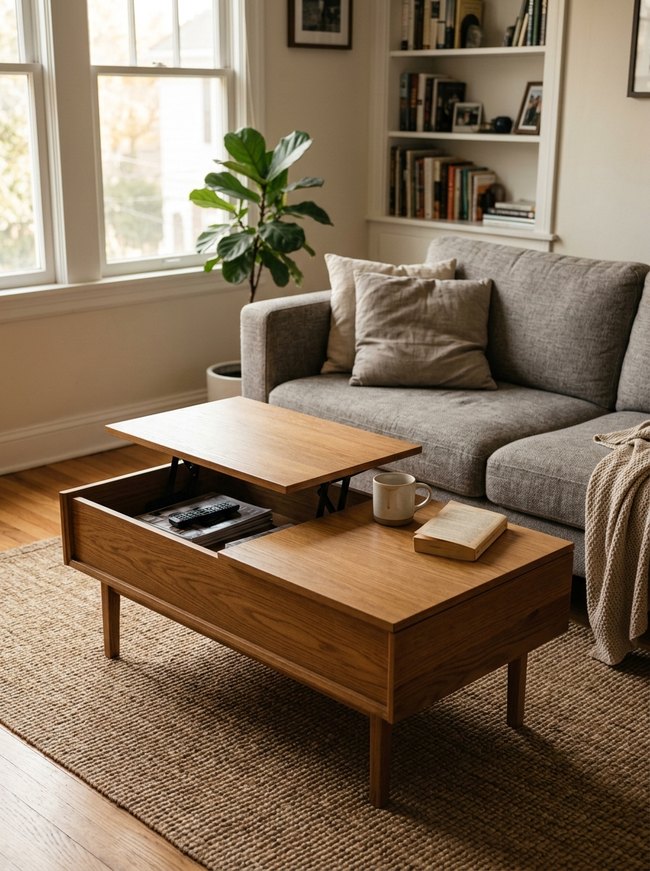
The designer chose a lift-top coffee table, a smart choice for any small living space. The wood table provides both a surface for drinks and hidden storage for electronics, keeping the room tidy. A chunky woven jute rug defines the seating area, adding texture to the neutral color palette. Steal the hidden storage tactic.
2. Nesting Ottoman Dual
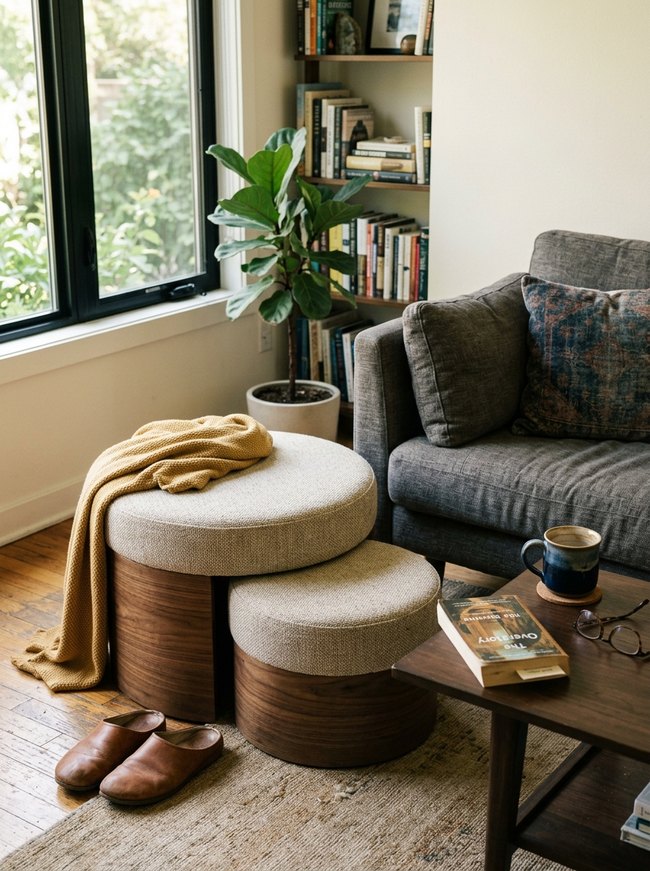
Nesting ottoman tables provide clever flexibility for small rooms. The two round ottomans, one large and one smaller, tuck together seamlessly, saving floor space when not needed. A textured gold throw blanket and a tall fiddle-leaf fig plant add soft touches to the neutral gray sofa. Nesting furniture maximizes small square footage.
3. Expandable Dining Console
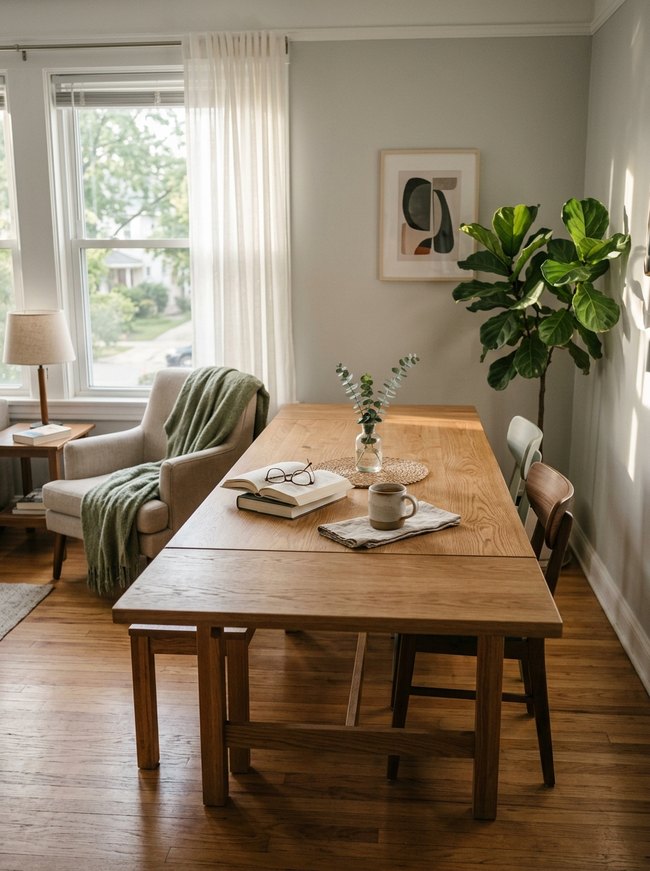
The oak dining table extends with two leaves, offering flexible surface area for different needs. The multi-functional piece serves as both a spacious dining table and a compact tiny home coffee table. A fiddle leaf fig tree adds a vibrant green accent. The expandable wooden table provides a smart solution.
4. Hidden Compartment Minimalist
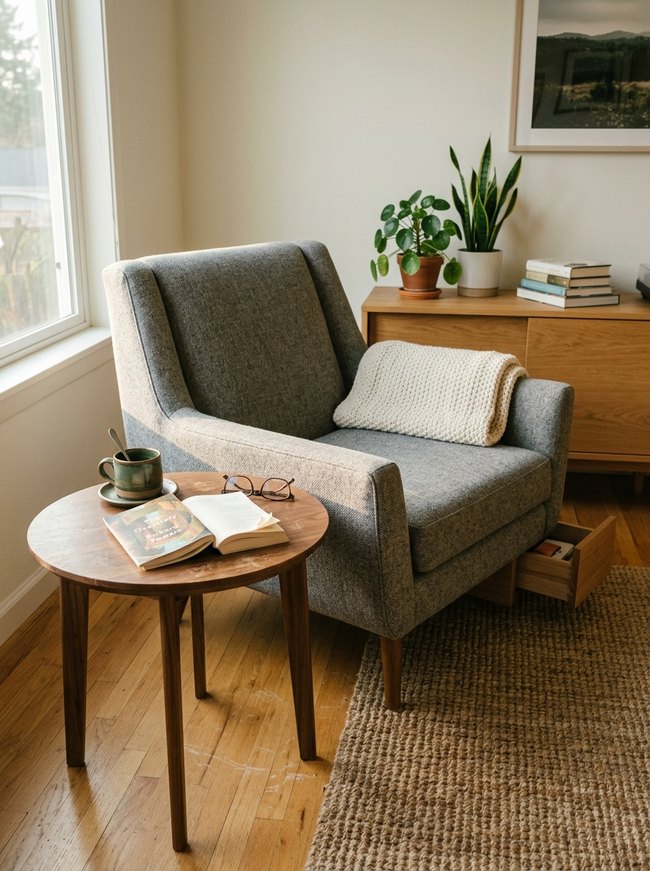
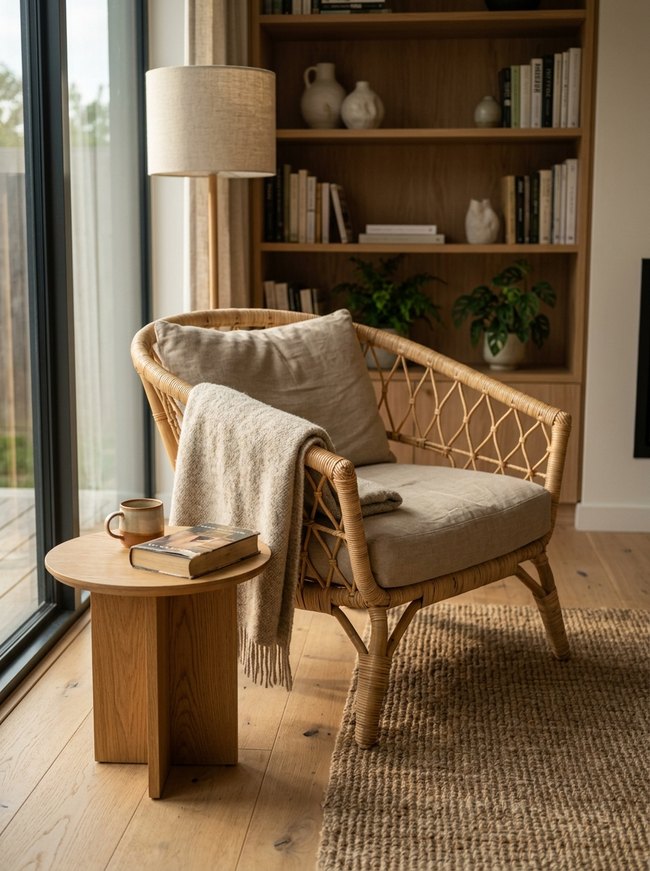
Built-in storage in the chair’s armrest eliminates the need for an extra side table. The smart move keeps the small floor space open and uncluttered, perfect for any tiny home coffee table setup. A compact round walnut table and a textured natural fiber rug also support the cozy reading corner. Readers should steal the integrated drawer storage idea.
5. Folding Tray Extendable
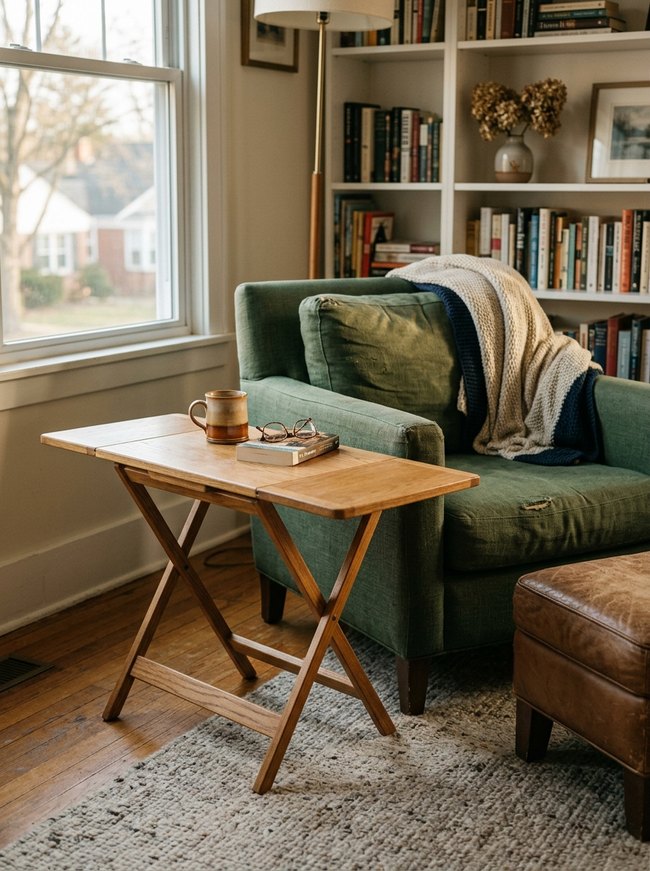
The folding oak tray table offers immediate surface area for reading or drinks. The light wood surface provides a warm contrast against the deep green armchair and textured gray rug. The clever piece disappears when not needed, freeing up valuable floor space in a tiny home coffee table setup. Consider a folding table for a small living space.
6. Modular Cube Transformable
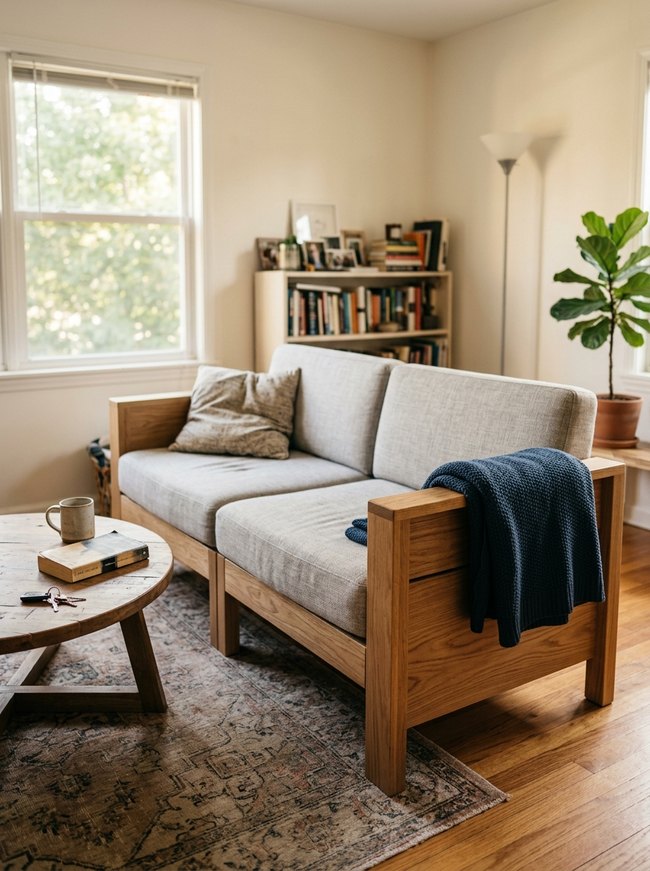
The round wooden coffee table stands on three angled legs, giving the living room a soft, natural focal point. The circular shape breaks up the straight lines of the light gray sofa and square window, creating visual flow in a compact space. A simple mug and a book rest on the table’s rough-hewn surface, suggesting daily use. A round coffee table can soften a room’s edges.
7. Wheeled Serving Mobile
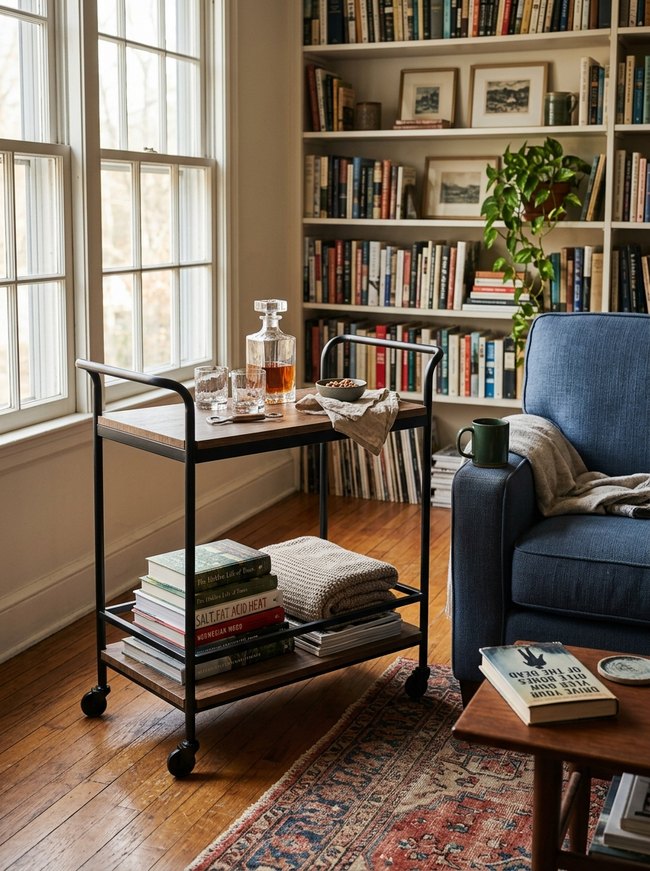
Rolling black casters allow the coffee table to move freely across the warm wood floor. The small wooden cart becomes a versatile serving station or a portable bookshelf. A similar wheeled piece offers flexible function for any tiny home coffee table setup.
8. Corner Space Saver
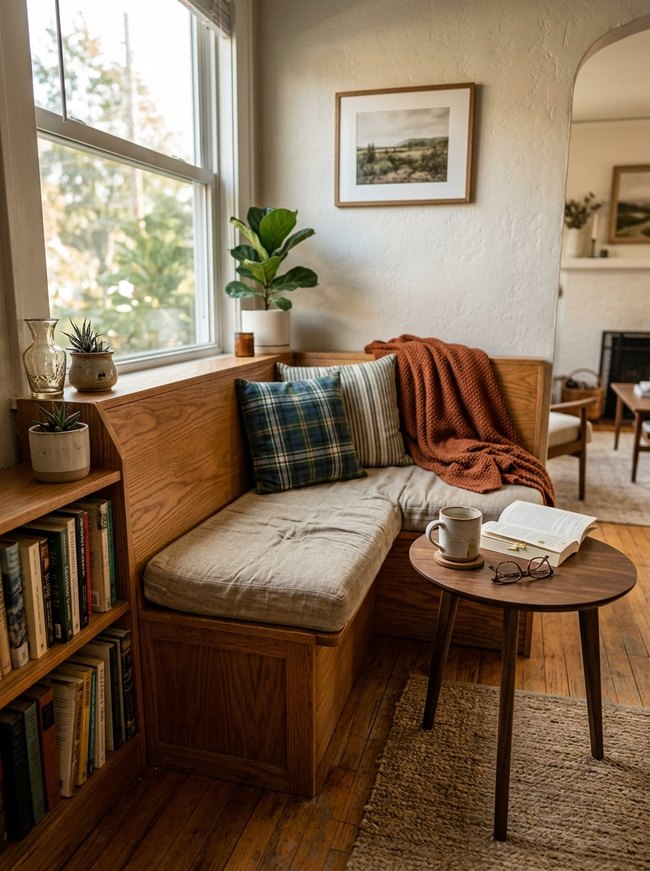
The built-in oak bench seating maximizes this small corner, creating a dedicated spot for relaxation where a sofa would not fit. Light gray cushions soften the hard wood, while a rust-colored throw blanket adds a warm color accent. A small, dark walnut coffee table provides a surface for your mug and book without cluttering the tight space, making the table functional. Steal the idea of custom corner seating to make every inch count.
9. Industrial Lift Mechanism
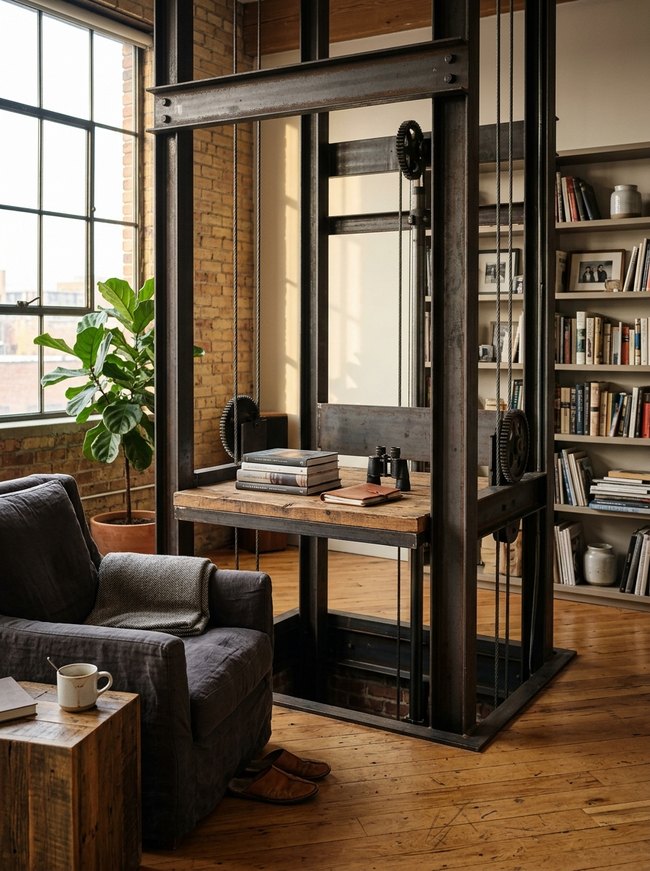
The industrial lift mechanism creates a highly adaptable surface, allowing the homeowner to shift the table’s height for various tasks. Raw steel beams frame the moving wooden surface, emphasizing its functional design. A dark gray armchair sits nearby, offering a comfortable spot for reading or working. Incorporate a movable surface into your tiny home coffee table setup.
10. Rustic Sliding Top
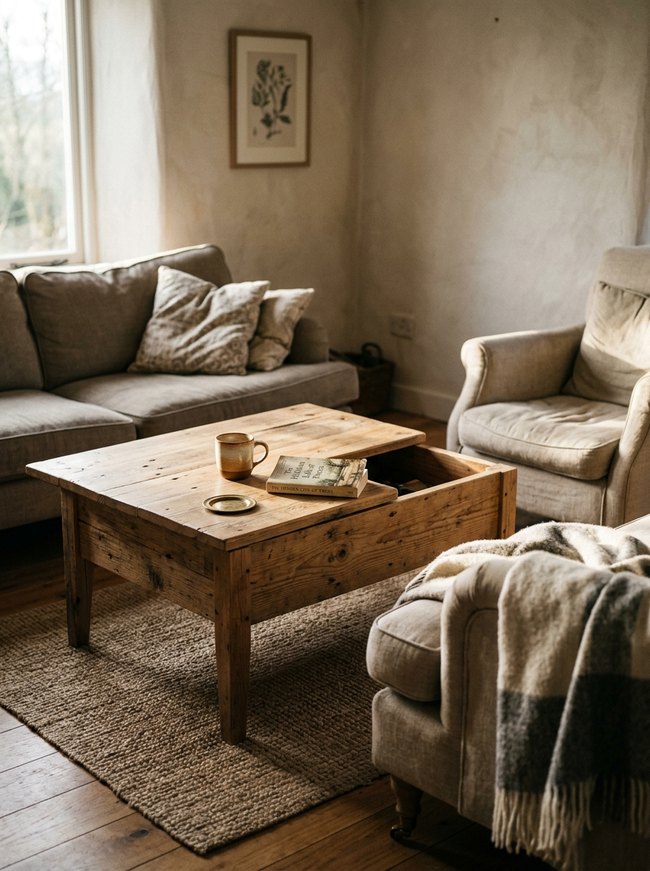
The reclaimed wood coffee table features a clever sliding top, revealing hidden storage for clutter. The honey-toned surface introduces natural warmth, contrasting with the light linen sofas. The coffee table effectively combines function with earthy charm. Integrate smart, concealed storage into your furniture.
11. Modern Pop-Up Workstation
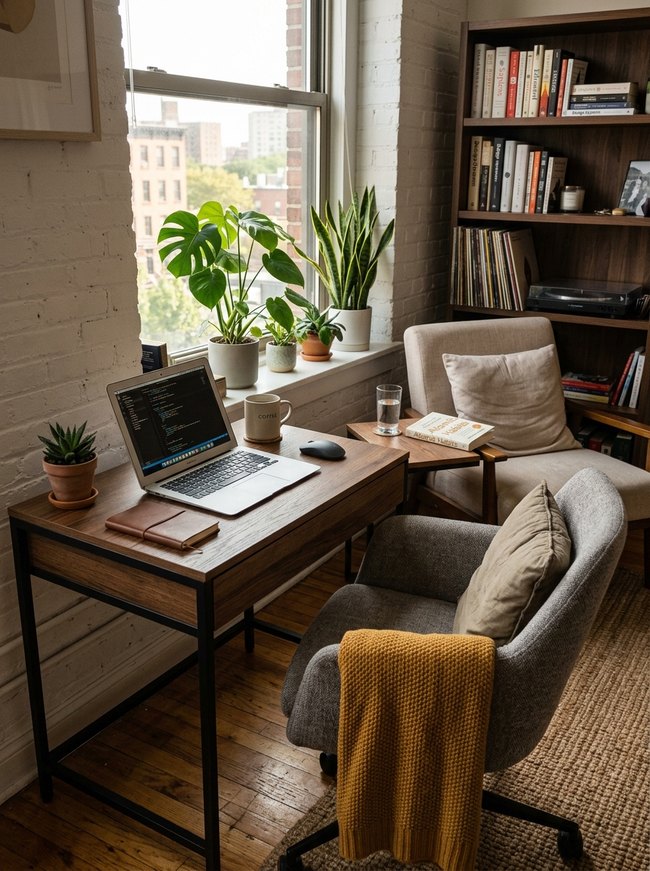
The designer created a dedicated work nook by placing a small wooden desk directly against a window. The arrangement utilizes natural light and the view, avoiding wasted wall space in a compact area. A deep brown bookshelf with a built-in record player stands tall against the far white brick wall, adding both storage and entertainment. A long, narrow table works as a tiny home coffee table alternative for a flexible workspace.
12. Sleek Drawer Organizer
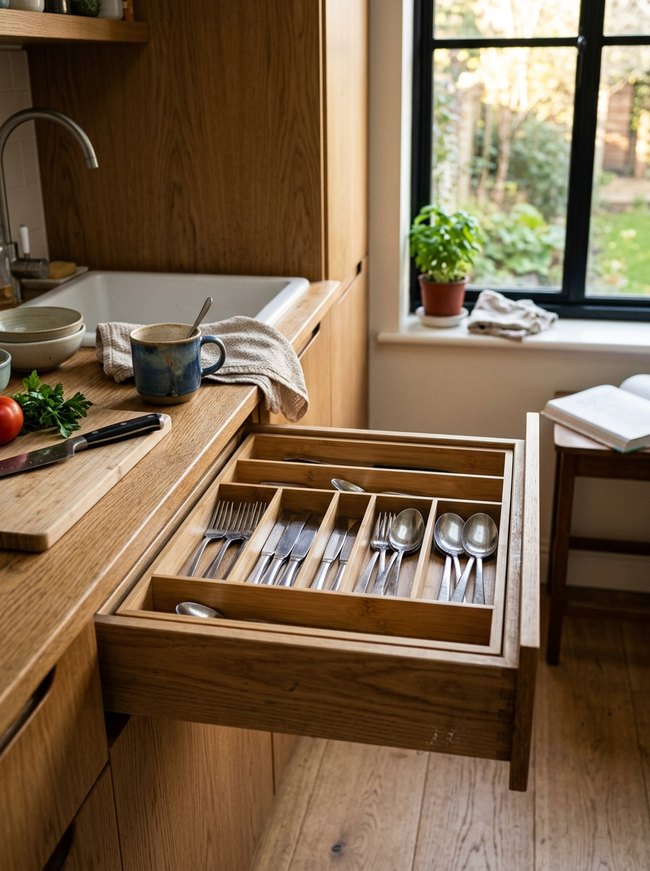
The kitchen uses a bamboo drawer organizer with multiple compartments to keep flatware tidy. The system maximizes space by separating forks, knives, and spoons into distinct sections, making every piece easy to grab. Oak cabinets and a light wood countertop provide a warm, natural backdrop for the organized drawer. A dedicated, multi-compartment drawer organizer works well for a tiny home coffee table.
13. Convertible Bench Seating
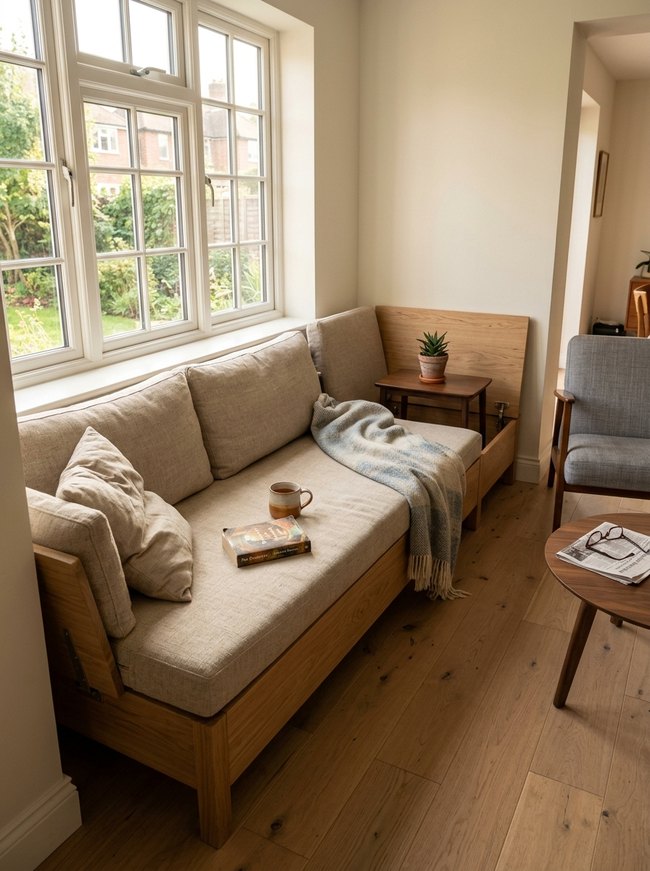
The designer uses a modular daybed to create flexible seating in a small corner. The furniture serves as a sofa, a bed, or a bench for a tiny home coffee table. Light oak wood frames the cushions, and a small dark wood table fits snugly at the end. The modular daybed offers maximum room versatility.
14. Glass Display Multi-Tier
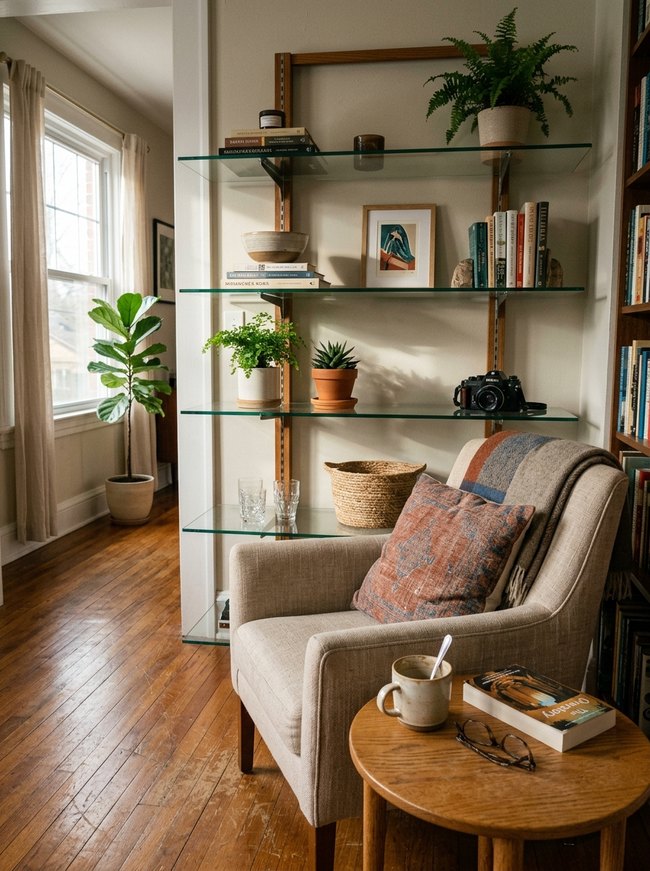
The designer used glass shelving to create an open, airy feel in the small space. Glass panels let light pass through, making the wall appear less cluttered and the room larger. A round oak side table and a beige upholstered armchair offer a cozy reading nook without blocking the visual flow. Clear glass shelving works well for a tiny home coffee table.
The ‘Lift-Top’ Mechanism: Engineering Compromises and Consumer Experience in Micro-Apartment Furnishings
Smart furniture design balances convenience with mechanical limits. A spring-loaded lift-top coffee table demonstrates this trade-off clearly for micro-apartment furnishings. Hidden metal hinges often require extra space inside the table box for their operation. You might find a shallow drawer or a small storage cubby disappears to make room for the moving parts.
Consider a simple wooden coffee table with a single fixed top. That table offers uninterrupted internal storage from edge to edge. However, the lift-top mechanism provides a waist-high surface for eating or working, a significant ergonomic gain for someone sitting on a low sofa. A user gains comfortable utility at the expense of some internal volume. Manufacturers also face challenges with material thickness. A thin, engineered wood top might bow over time under repetitive lifting, especially if you place heavy books on the raised surface. Solid oak or thick plywood resists this bending, but adds weight to the lift. The heavier top then demands stronger, more visible springs for smooth movement. Therefore, many designs compromise, using medium-density fiberboard with a veneer, supported by robust internal bracing. This choice keeps the overall unit lighter for shipping while maintaining reasonable durability in your living space.
Beyond the Footprint: Quantifying the Perceived Value of Integrated Storage in Small-Scale Dwellings
Integrated storage directly increases perceived value in small-scale dwellings. A lift-top coffee table with an internal cubby, for instance, offers more than just surface area for drinks. You gain hidden space for remote controls, magazines, and even a compact laptop. Imagine a distressed oak table with a deep, charcoal-lined drawer. This single piece of furniture quickly becomes a command center, not simply a decorative accent.
Many homeowners overlook the mental relief a clutter-free surface provides. For example, a simple glass coffee table, while visually light, forces you to display every item. That exposed pile of books or charging cables reduces the room’s perceived tidiness. Consider a dark walnut table featuring a hinged top and felt-lined compartments below. This design immediately clears visible clutter, making your living area feel larger and more organized. A large open shelf beneath a coffee table, conversely, often accumulates visual noise. You want to hide the small items that create a sense of cramped living. The clever inclusion of concealed storage elevates the practical function of multi-functional coffee tables, transforming them into key assets for tiny living.
Which Idea Will You Try First?
That’s 14 different takes on tiny home coffee table. The best ideas above are usually the smallest moves — one material, one layout shift, one piece of furniture in the right place. Pick whichever room feels closest to your space and start there before tackling the rest.
Found an idea worth keeping? Save this post to your Pinterest board so it’s waiting for you when you’re ready to start your own project.