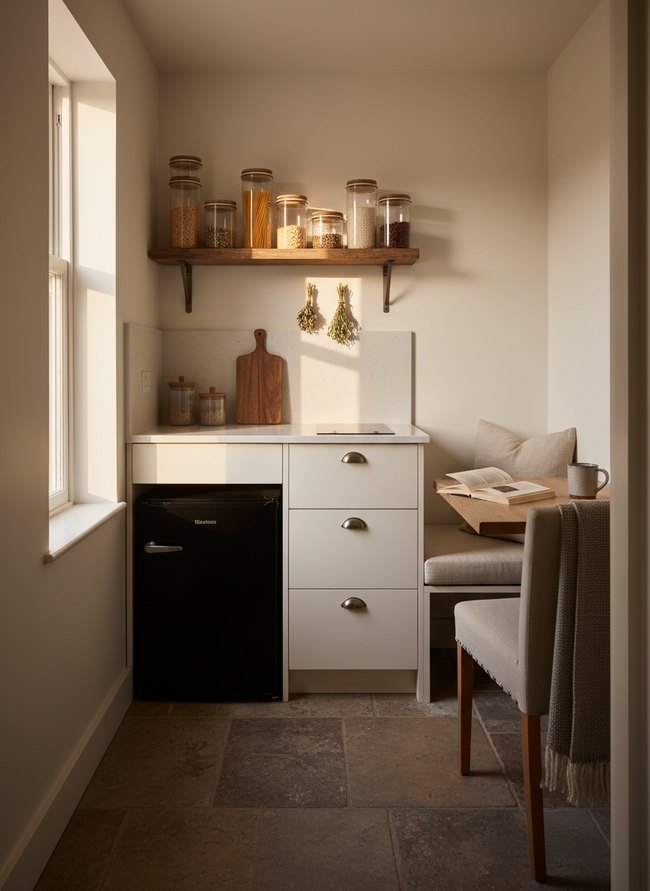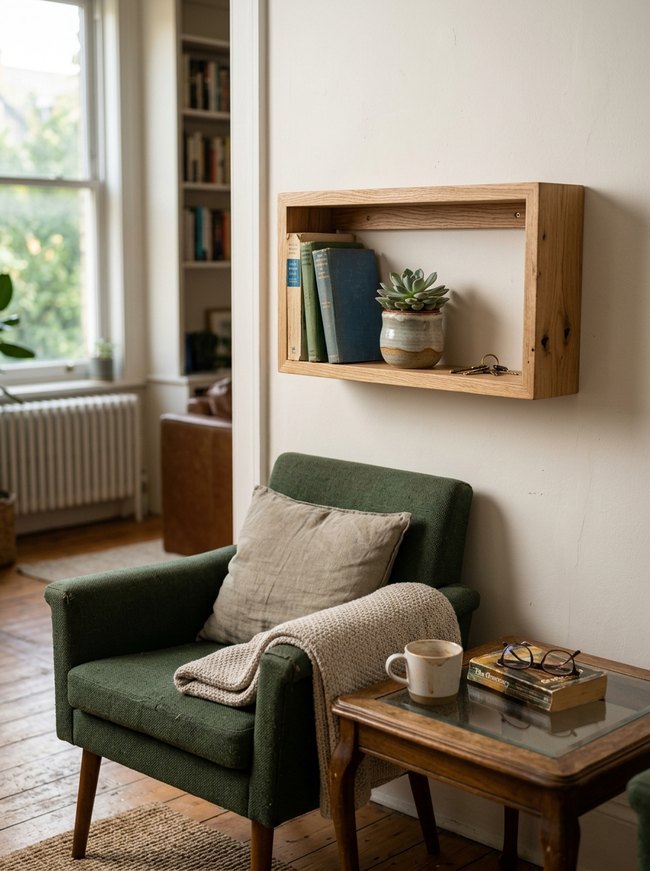
21 Vintage Tiny Home Interiors That Tell a Story
New materials rarely look old. Most articles miss this point, focusing on surface-level decoration instead of deep character. Achieving genuine age in a small space requires careful sourcing and a sharp eye for decay and texture. You can spot the difference immediately between a new distressed plank and a weathered gray barn board. Each tiny home below reveals this truth. Rough-sawn lumber, often honey-toned, brings an instant sense of history to a compact dwelling. A single hammered copper sink, for instance, adds more depth than an entire room of new “vintage-style” fixtures. These 21 vintage tiny homes show how authentic elements shape a deep, rich story.
1. Rustic Farmhouse Kitchen Nook
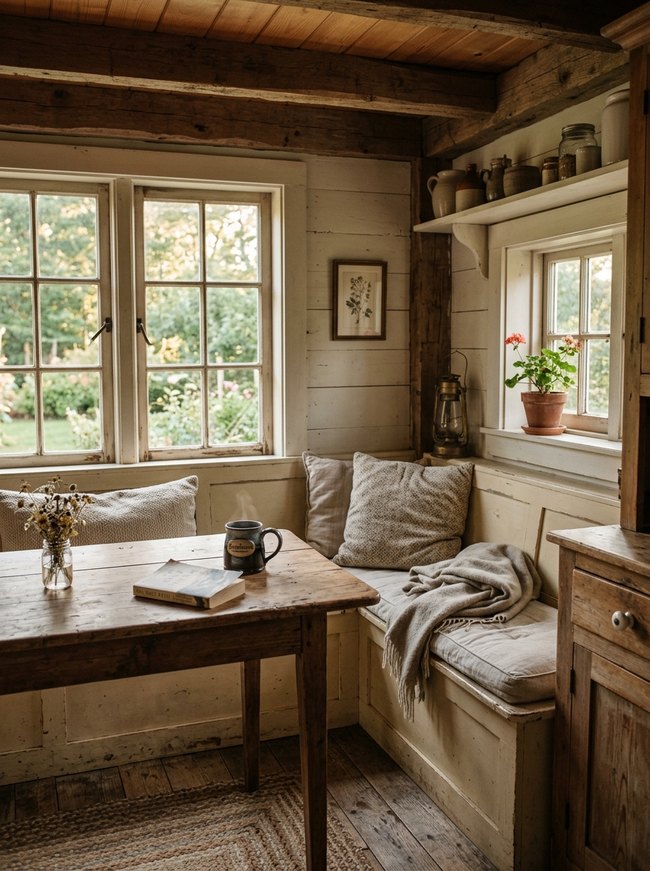
The designer chose a built-in corner bench for the small eating area, maximizing seating without extra chairs in the compact space. Rough-hewn wooden beams and wide plank flooring add rustic texture, connecting the room to nature outside the large window. A built-in bench saves floor space in a vintage tiny home.
2. Victorian Parlor Reading Corner
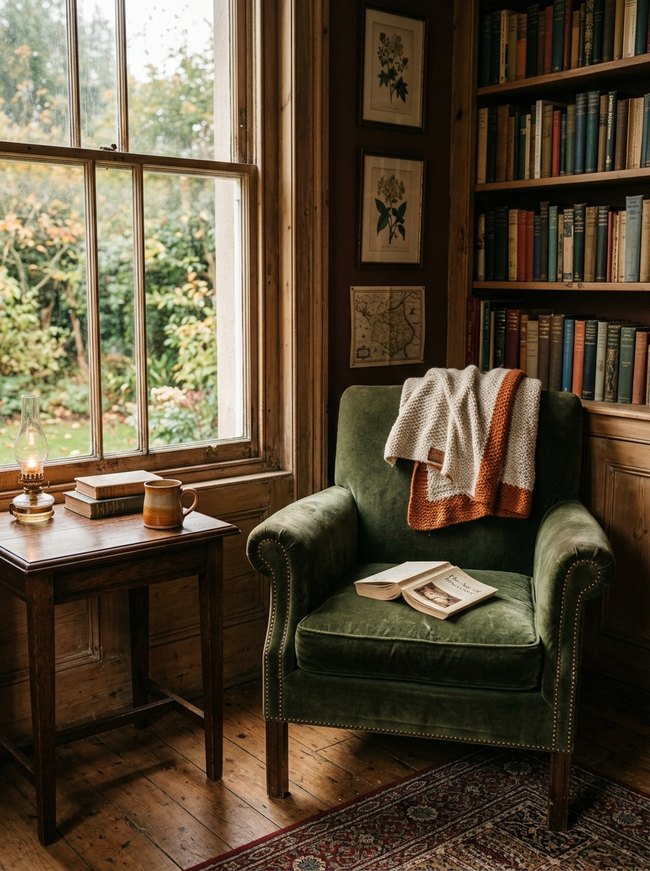
The rich green velvet armchair creates a focal point, drawing the eye to the cozy reading nook. Deep wall colors and warm wood tones make the small space feel inviting and layered. Homeowners can steal the trick of using a single large, soft chair for comfort in a vintage tiny home.
3. Art Deco Livingette Suite
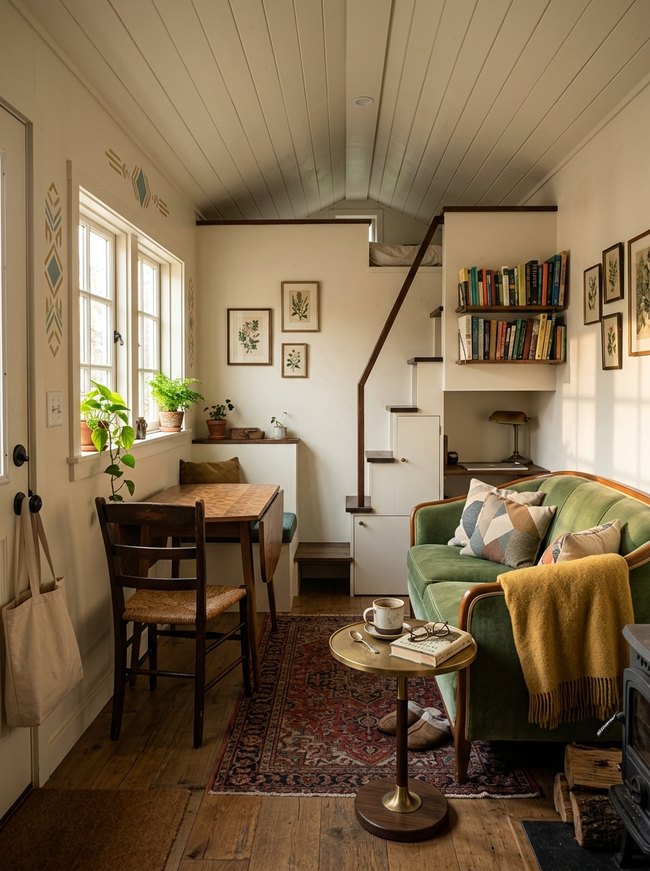
Wallpaper borders define distinct zones within the small space. Geometric stencils draw the eye around the window frame, creating a visual boundary for the dining nook. A green velvet sofa adds a rich color, and a corner bookshelf uses vertical space wisely. Designers use wallpaper borders to create separate areas.
4. Mid-Century Study Alcove
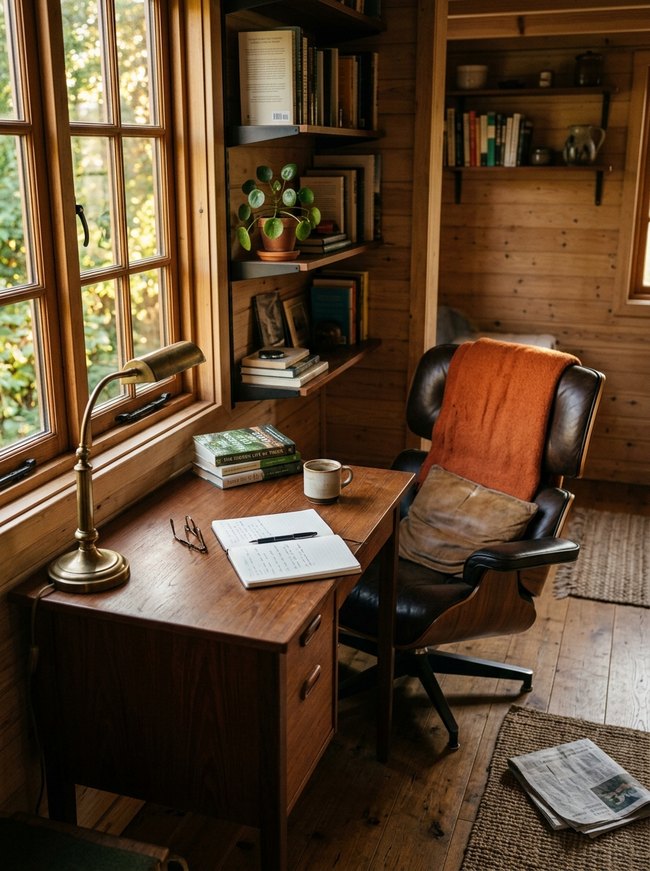
The designer installed a warm, honey-toned wooden window frame and matching desk to create a cohesive study area. The continuity of natural wood tones calms the eye, making a small space feel expansive and inviting. Dark metal book shelves on the wall and a deep brown leather chair add contrast, while a bright orange wool throw brings a pop of color. Readers can unify a small room by using matching wood tones for large elements.
5. Bohemian Caravan Bedroom
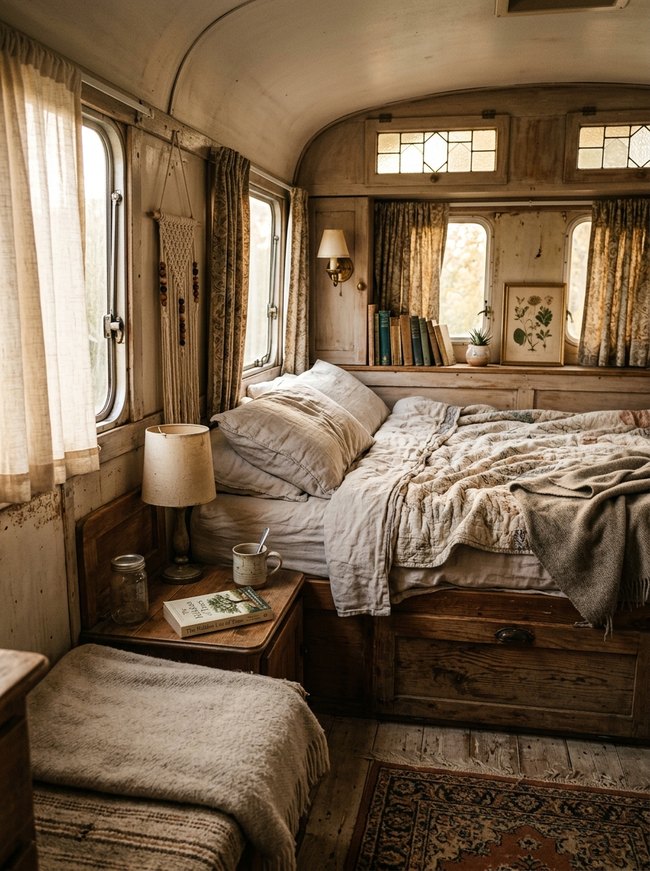
Layering textures creates a comforting, lived-in feel within the small space, inviting you to relax. Soft linen bedding and a quilted blanket contrast with rough wood walls, adding depth without clutter. Vintage books and a framed botanical print on the shelf provide personal touches. The design mixes rough and soft textures.
6. Industrial Loftette Den
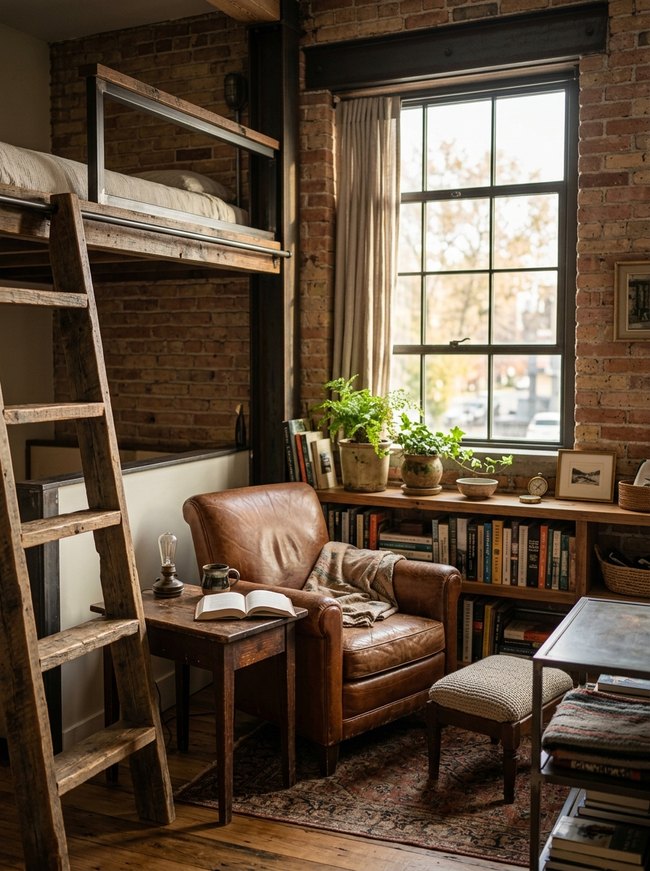
The clever use of vertical space makes the tiny home feel expansive. Tall wooden bunk beds and a floor-to-ceiling bookshelf provide ample storage and sleeping arrangements without cluttering the small footprint. Warm brick walls and a rich brown leather armchair add comforting textures, inviting relaxation. Readers can steal the vertical storage solution for their own space.
7. Shaker Style Craft Studio
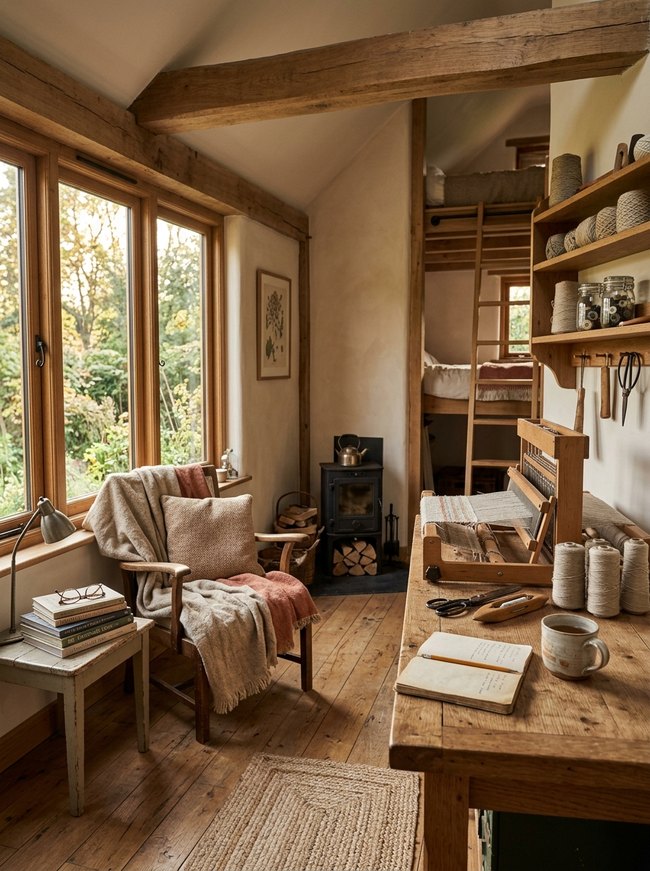
Layered textures make the room feel lived-in and warm, adding depth with natural materials like rough-hewn timber beams and woven wool blankets. A small black wood-burning stove provides a cozy focal point, while light honey-toned wood of the wide window frames brings the outside in. Consider adding varied natural textures to your own spaces.
8. Colonial Charm Diningette
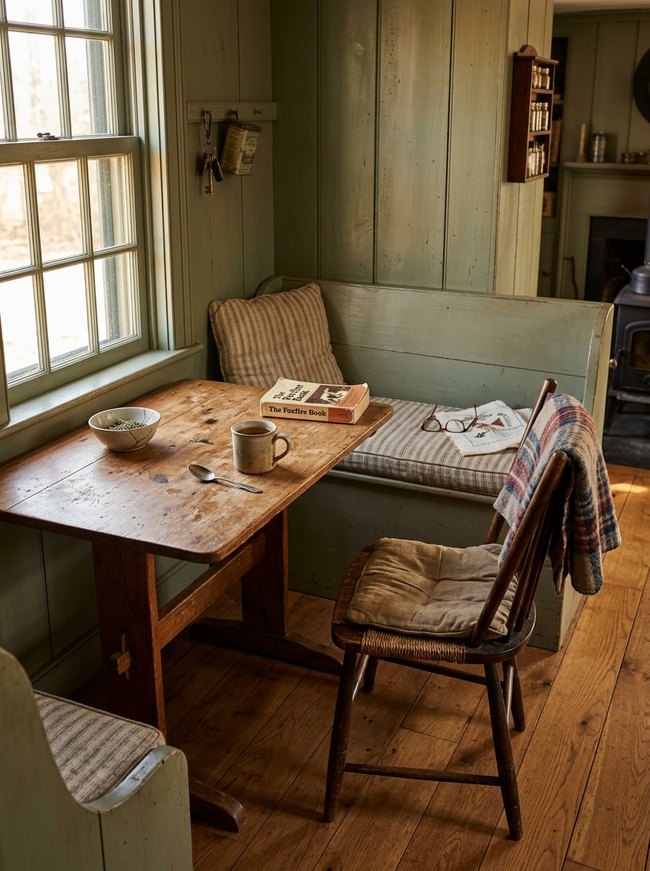
The antique wooden trestle table provides a warm, central gathering spot, defining the dining space in the cozy vintage tiny home. Pale green painted wood planks on the walls and built-in bench create a calming, cohesive backdrop, helping the small area feel more expansive. Striped linen cushions and a plaid wool blanket add soft textures and subtle patterns, making the seating inviting for long conversations. A single, substantial furniture piece sets the room’s purpose.
9. Gothic Revival Bathroom
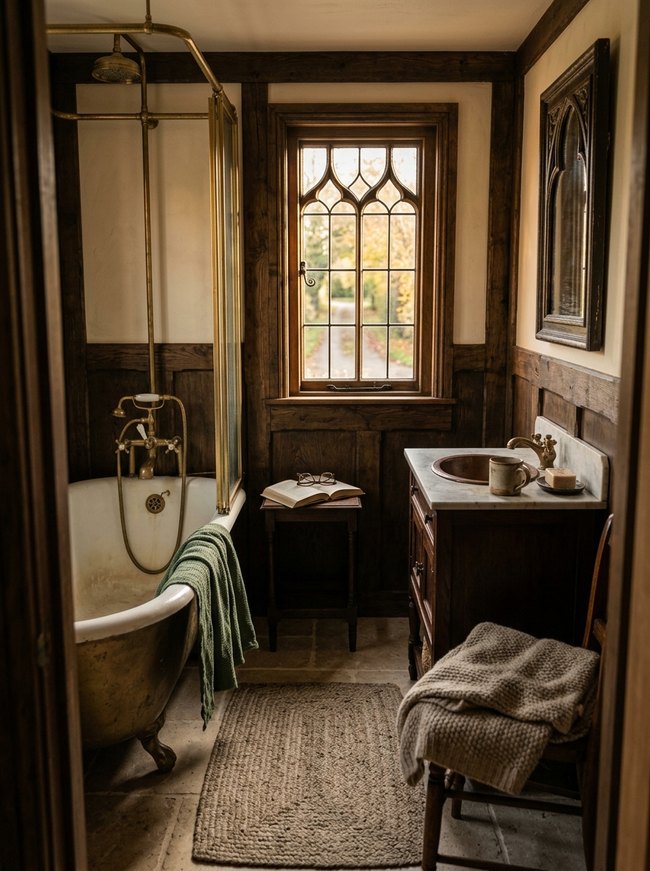
The designer uses a gothic window to establish vintage character within the compact bathroom. The architectural detail effectively sets the mood, making the small space feel like a purposeful, period-inspired retreat. Dark wood paneling on the lower walls and a hammered copper sink further support the old-world aesthetic, adding rich textures and warmth. Steal the idea of using a single architectural element to define a space’s style.
10. Prairie School Entryway
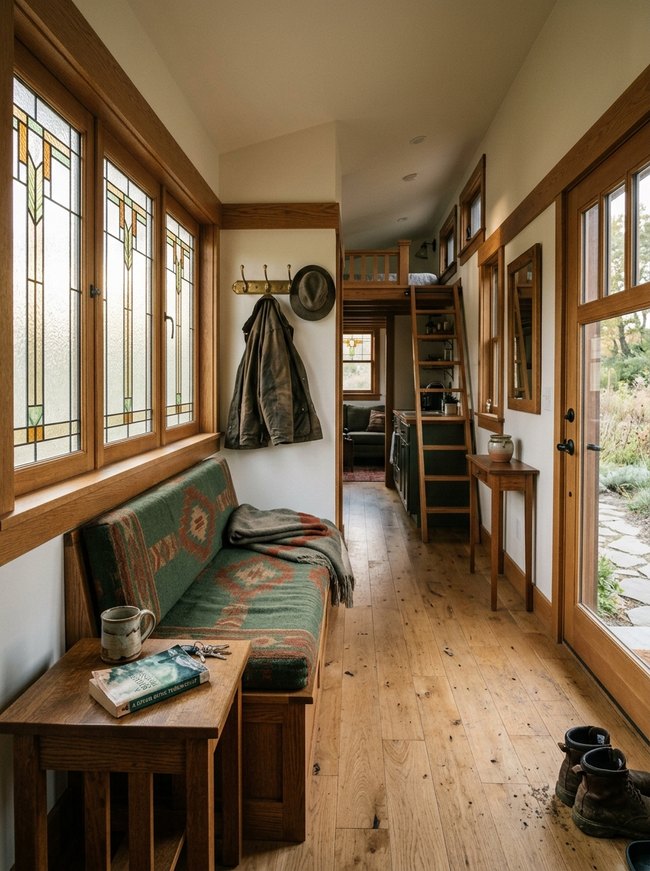
The designer used stained-glass panels in the triple oak windows to add custom character to the small entryway. Colorful geometric patterns create a strong visual focus, drawing the eye along the wall and making the space feel special. Warm wood tones repeat across the wide plank flooring and trim work, giving the interior a cohesive, grounded feel. Steal the idea of custom stained glass for your own vintage tiny home.
11. Steampunk Inventor’s Workshop
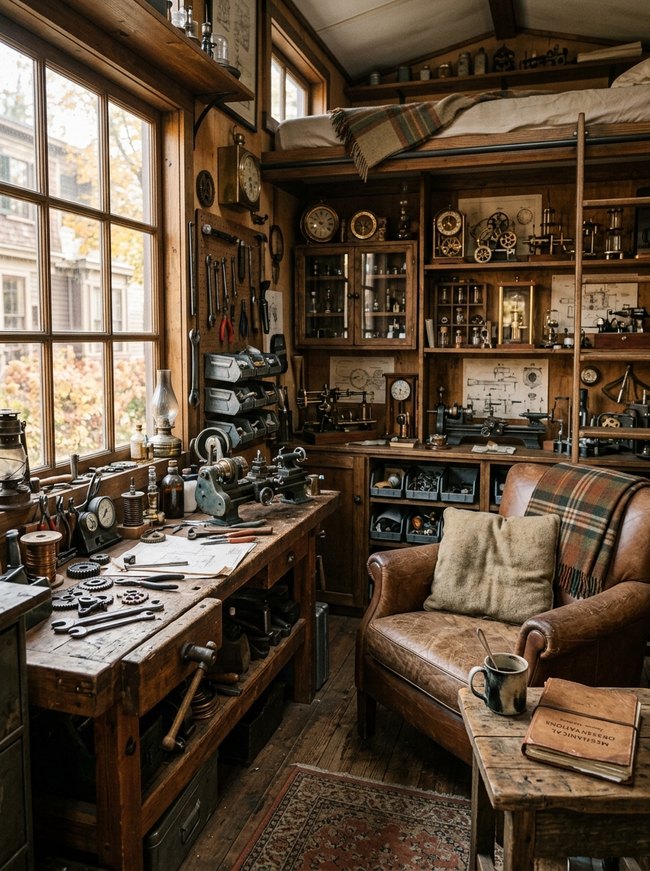
The designer filled every wall with natural wood shelving, creating a deep, layered texture. The vertical arrangement maximizes storage in a small footprint, displaying many tools and mechanical parts efficiently. Warm plaid wool blankets and a tan leather armchair soften the hard edges of the workshop tools. Vertical wooden shelving organizes and displays treasured collections.
12. French Country Sitting Room
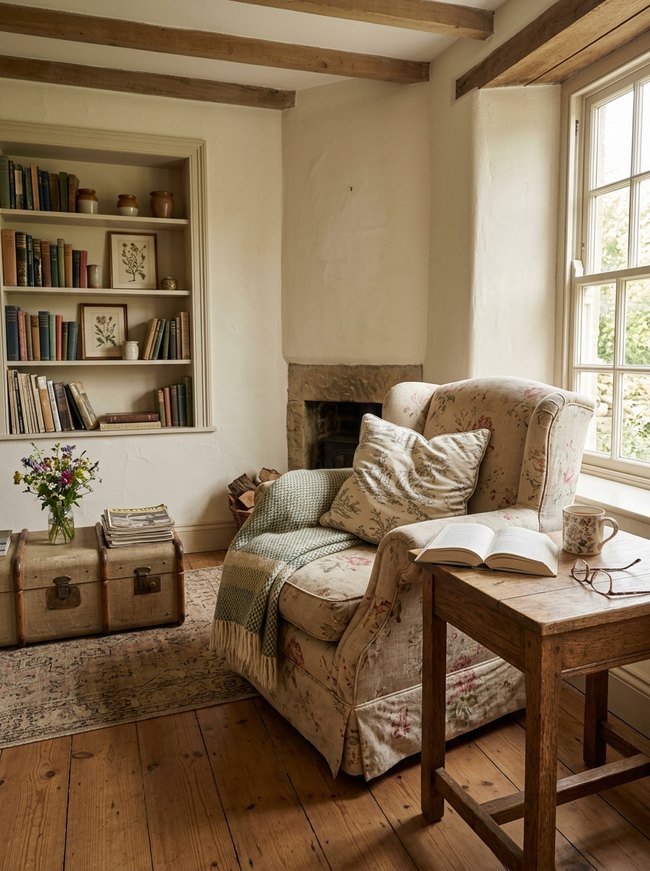
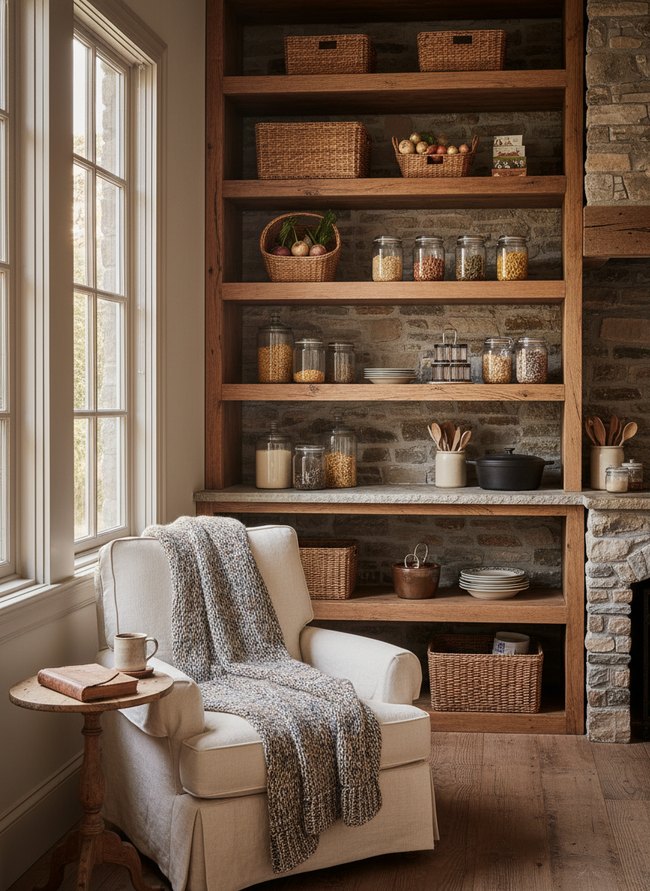
Building built-in shelves into wall niches maximizes space in a small room. The design choice provides storage for many books without taking up floor space, keeping the room open and airy. Reclaimed wooden beams line the ceiling, and a stone fireplace hearth adds rustic character. Integrated shelving offers a practical solution for any small home.
13. Mediterranean Retreat Patio
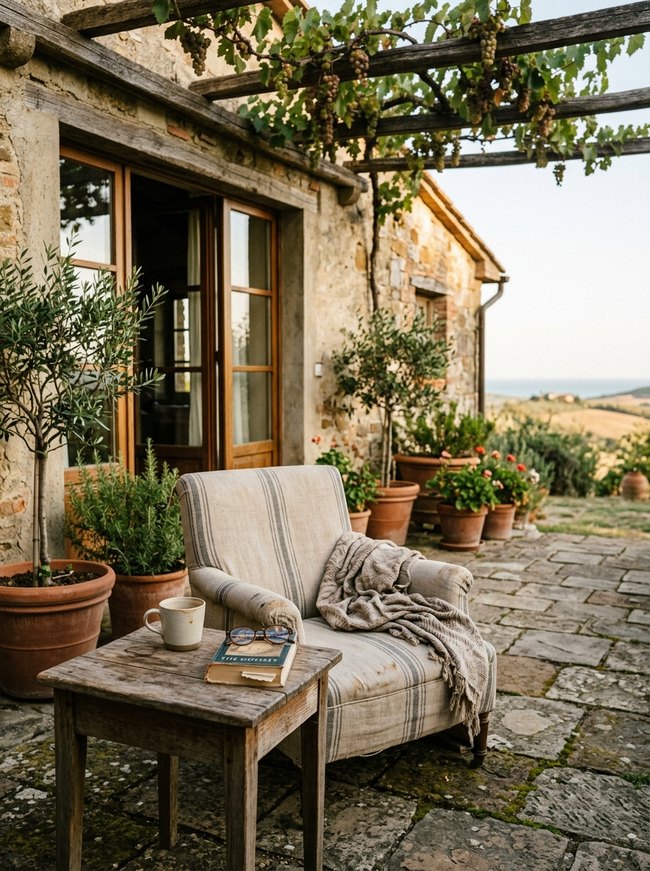
The designer uses natural textures to create a welcoming outdoor space, allowing the rough stone wall and flagstone patio to blend with potted olive trees and hanging grapevines. A striped linen armchair provides soft comfort next to a rustic wooden side table, inviting you to relax. The patio uses a mix of old and new elements for a lived-in feel. Blending natural materials with cozy seating creates a comfortable atmosphere.
14. Nautical Captain’s Quarters
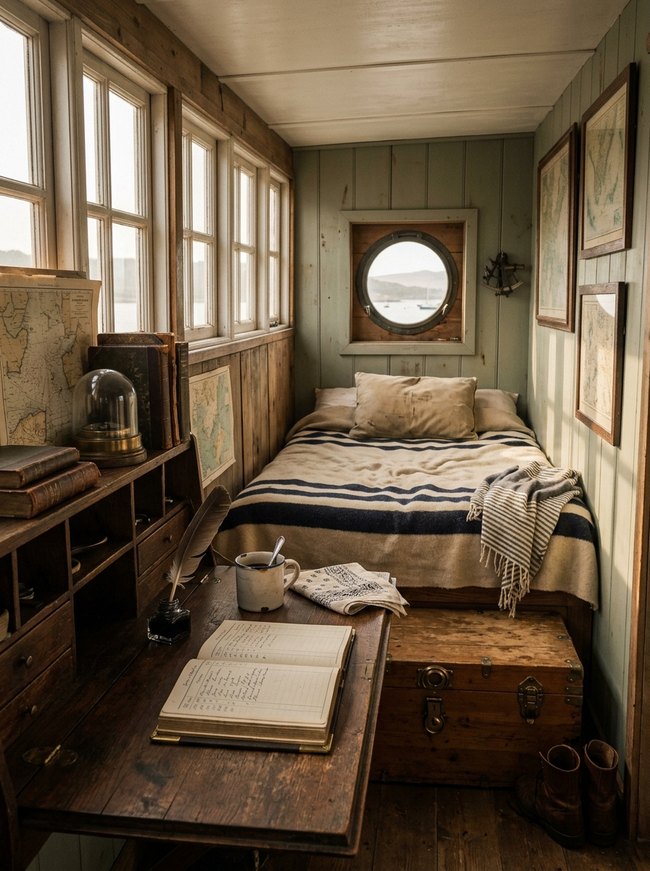
The designer creates a strong theme with the round brass porthole window, immediately establishing a captain’s quarters feel. The specific window choice grounds the small space, allowing other nautical elements like the antique maps and ship’s sextant to layer effectively. A striped wool blanket and a brass-bound wooden chest support the maritime story with rich textures and historical shapes. Steal the idea of using one strong architectural feature to define your entire room’s story.
15. Southwestern Adobe Kitchen
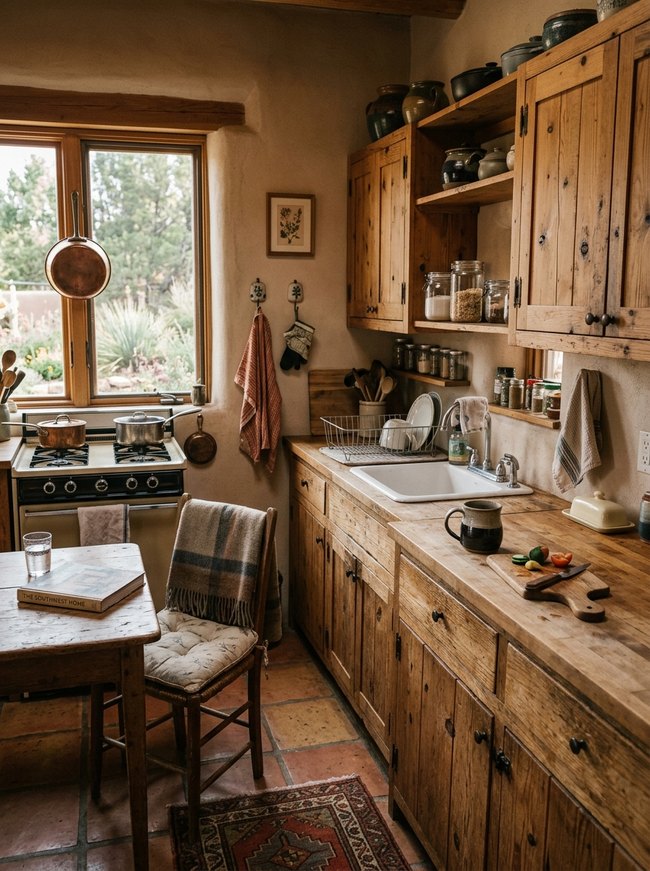
The designer chose rustic wooden cabinets and countertops to craft a warm, inviting Southwestern adobe kitchen. Rough-hewn wood brings natural texture and a lived-in feel, making the small space feel grounded and sturdy. Talavera-style hooks and a simple plaid blanket over the chair add small, colorful touches. Homeowners can use rough, natural wood to add warmth and character.
16. Scandinavian Hygge Lounge
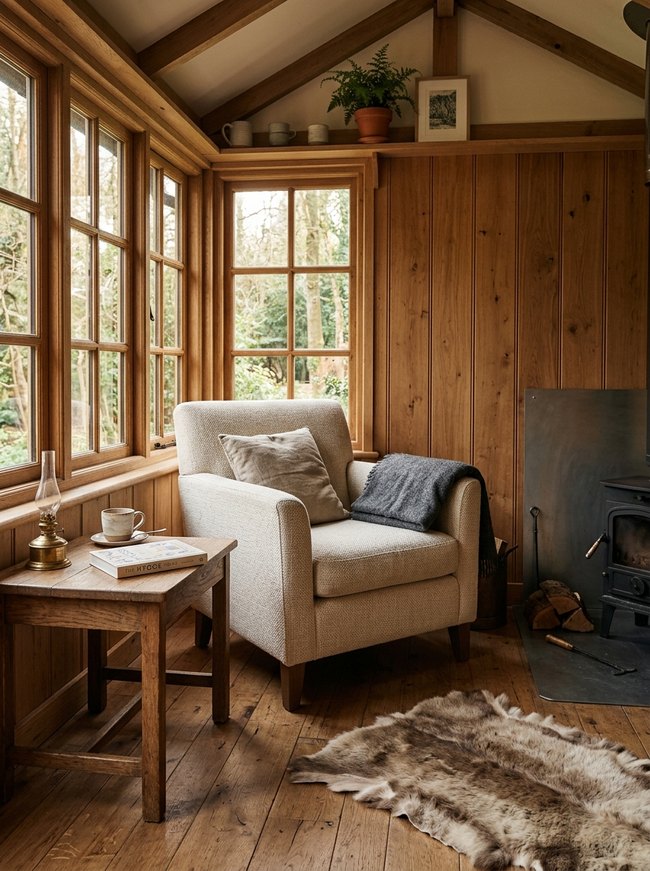
Solid wood paneling on every wall creates a warm, cozy cabin feel, making the small space feel inviting and complete. Natural light pours through the large multi-pane windows, balancing the rich oak tones and connecting the interior with the green outdoor landscape. A plush cream armchair with a linen pillow and a charcoal wool throw offers a soft spot to relax next to the antique brass oil lamp. The consistent use of a single natural material provides cohesive warmth.
17. Edwardian Conservatory Space
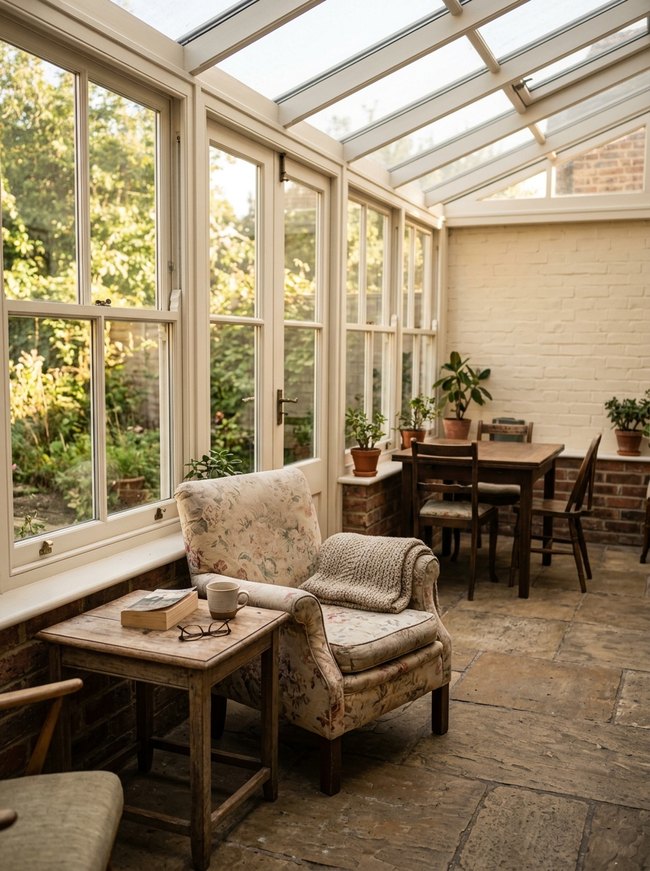
A glass roof and tall windows make the small room feel big, letting in abundant natural light from all directions. Whitewashed brick walls and large flagstone floor tiles add rough texture, while potted green plants bring life to the vintage tiny home. Readers can steal the idea of using light colors and transparent materials to expand any small space.
18. Jazz Age Speakeasy Bar
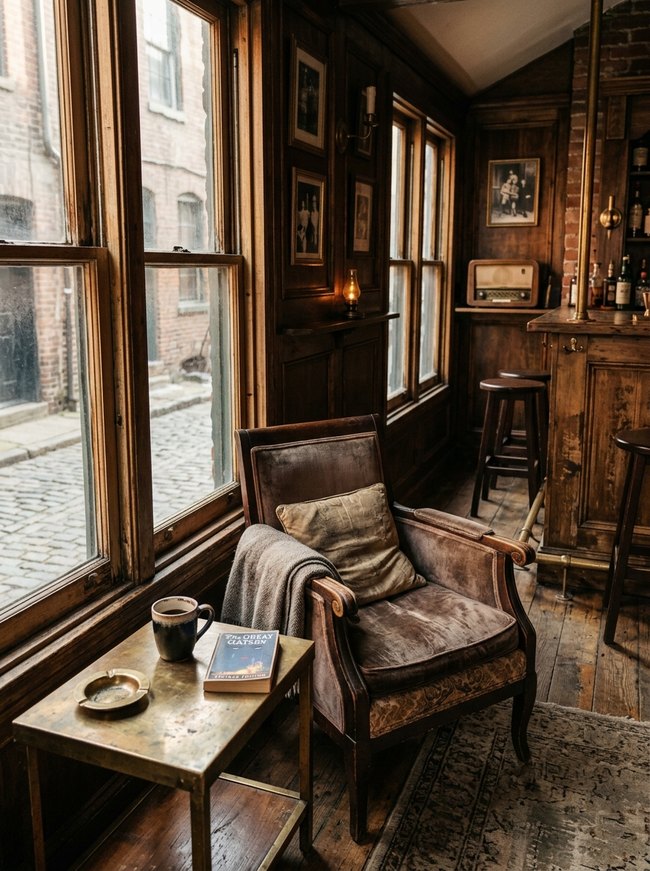
Dark wood paneling across every wall creates a warm, cave-like feeling, making the small space inviting and cozy. Sunlight from the large street-facing windows brightens the rich, deep tones of the wood and the worn velvet armchair. A brass side table holds a dark ceramic mug and a paperback book, ready for a quiet afternoon. The consistent use of dark, textured materials crafts an intimate mood.
19. Arts Crafts Bedroom Retreat
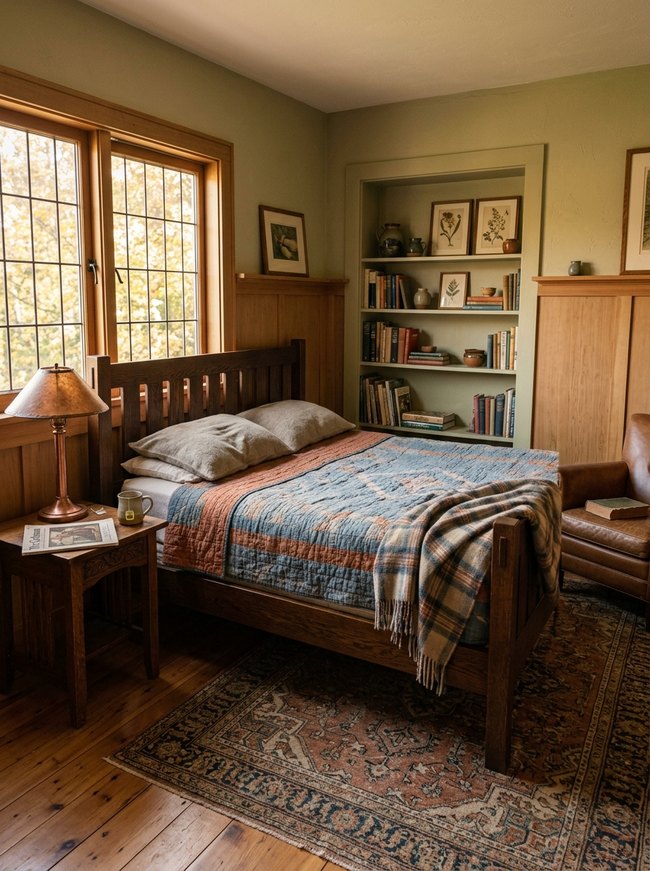
The designer created a calm bedroom retreat by using a soft sage green wall color that allows the rich wood tones to stand out. The muted color softens the overall feel, making the room feel larger and more inviting, unlike dark colors that can shrink a space. Dark oak furniture, a warm copper lamp, and a patterned wool throw blanket add layers of texture and color, completing the cozy look. The light wall colors highlight darker furniture.
20. Chinoiserie Teahouse Nook
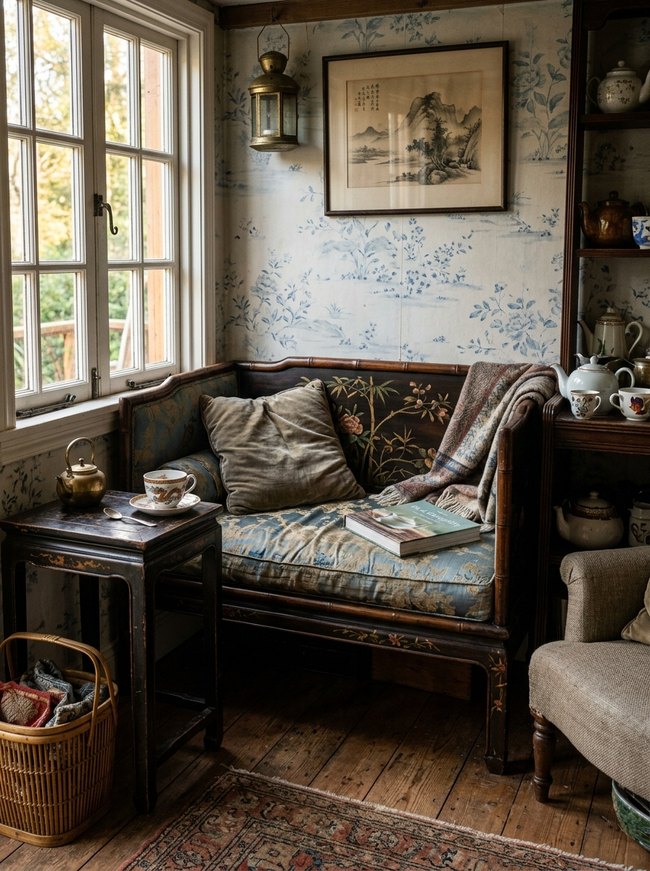
Patterned blue wallpaper with a chinoiserie landscape creates a serene, layered backdrop for the vintage tiny home nook. A dark wooden daybed with painted floral details brings an antique touch, while a small black side table holds a brass teapot and a white teacup. Blue and white patterns provide a sense of calm and depth.
21. Americana Cabin Porch
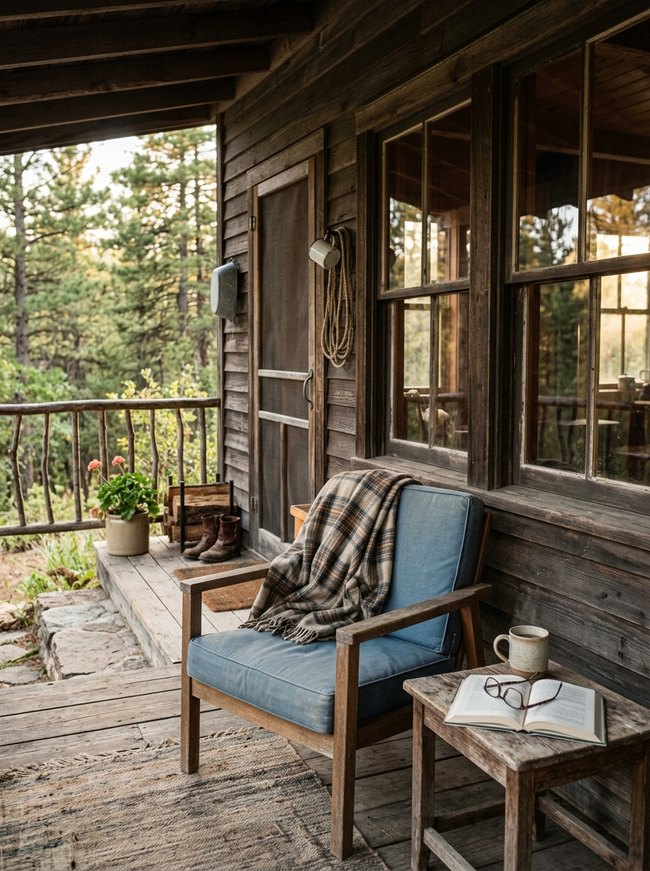
A soft blue cushion on the wooden chair offers a spot of gentle color against the weathered siding. The dusty blue complements the natural wood tones without competing with the surrounding forest greens. A plaid wool blanket draped over the chair and a stack of books on the small wooden table suggest a welcoming invitation. One soft color can break up a rustic palette.
The Re-Contextualization of Salvaged Millwork: Case Studies in 1940s Trailer Interiors
Salvaged millwork changes a small trailer’s character completely. A discarded oak church pew, cut to waist-height, offers both storage and seating inside a compact 1948 Spartan Manor. New construction, by contrast, feels flat and uninspired without such aged timber. Many tiny home owners often choose new, inexpensive plywood for interior finishes. That choice misses the rich history a dark-stained, hand-carved piece brings. You feel the solid weight of old growth timber under your hand, not a thin laminate. This reclaimed material offers a story within the limited square footage. Another example, a set of three painted kitchen cabinets, taken from a 1920s farmhouse, now holds pantry items in a 1947 Curtis Wright tiny home. Their original dusty teal paint provides a soft color accent against the trailer’s aluminum walls. New flat-pack cabinets, made from particleboard, simply cannot offer this visual depth. Re-contextualizing salvaged components elevates a utilitarian space into something truly unique. A tiny house gains immediate personality from these repurposed elements.
Beyond Form and Function: The Affective Topography of Curated Ephemera in Post-War Tiny Dwellings
Collected objects on open shelves paint your story. A single honey-toned wooden matchbox, perhaps from a 1950s diner, holds more weight than a dozen new trinkets. Many people fill small spaces with too many items. Your tiny home’s limited wall space needs objects with clear meaning. Consider the tiny metal toy car, painted bright cherry red, placed near a window. This small vehicle might recall childhood adventures or a cherished family trip. Overstuffed display areas, however, create only visual noise. A dusty teal ceramic bird, perched on a narrow ledge, offers a quiet moment of memory. These small vintage tiny home pieces, carefully chosen, speak volumes. You build a feeling of warmth, not clutter, with fewer, more meaningful items. One worn leather-bound book, its spine cracked, tells a deeper tale than a stack of new magazines. The intentional arrangement of these physical tokens transforms a small room. Your personal history becomes part of the home’s fabric. A lone black and white photograph, set in a simple oak frame, anchors a small desk. These curated ephemera give your dwelling a rich, lived-in texture.
Which Idea Will You Try First?
That’s 21 different takes on vintage tiny home. The best ideas above are usually the smallest moves — one material, one layout shift, one piece of furniture in the right place. Pick whichever room feels closest to your space and start there before tackling the rest.
Found an idea worth keeping? Save this post to your Pinterest board so it’s waiting for you when you’re ready to start your own project.