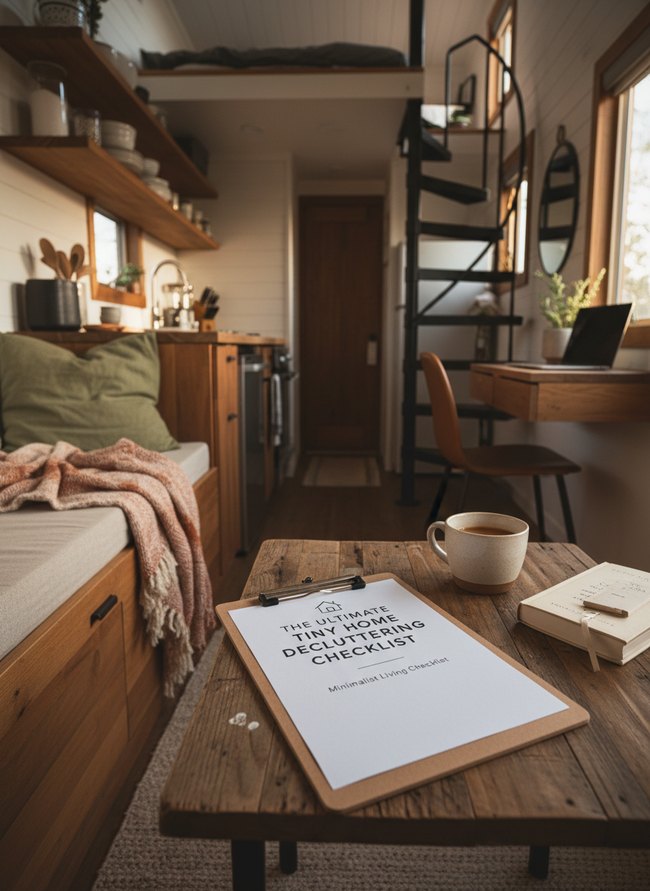
The Decluttering Aesthetic Movement: Tiny Home Stars Lead the Way
Frosted glass and painted drywall often conceal a chaotic struggle against clutter. Most homes, despite their outward appearance, house too many things. A cedar chest filled with unused blankets, a brass lamp gathering dust, these objects steal valuable square footage. You perceive these patterns of excess every time you visit a friend. Many homeowners, however, fail to link that perception to their own living space. Tiny homes, conversely, force a different relationship with possessions; every item earns its place. Oak shelving units display only useful objects. The forced minimalism creates a powerful decluttering aesthetic, one that transforms small spaces into functional works of art. The movement, driven by necessity, shows how less truly can be more. The following examples showcase distinct approaches to achieving this streamlined aesthetic.
1. Minimalist Nordic Living Space
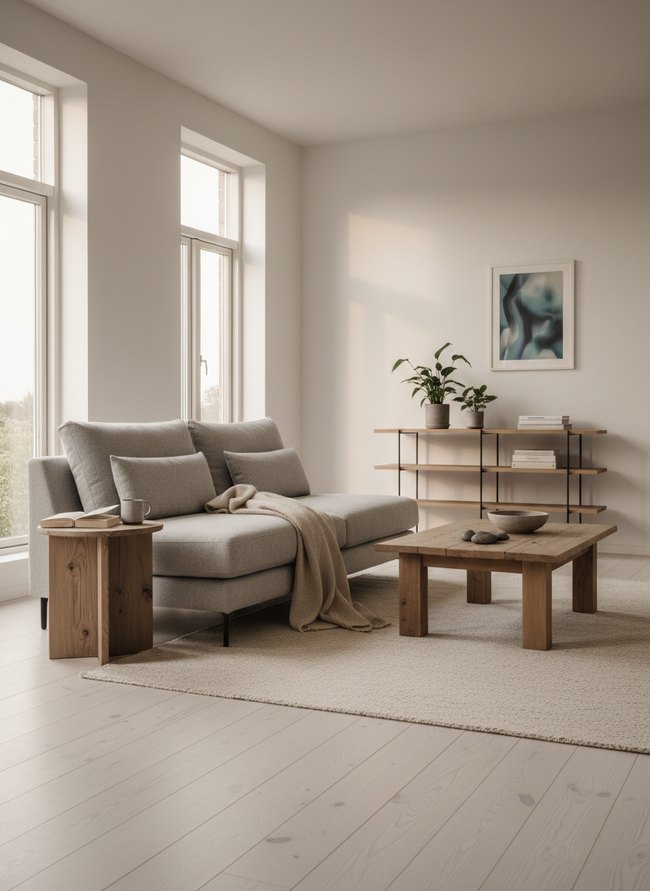
The designer picked a neutral color palette for every surface, removing visual noise effectively. Light gray walls and pale wooden floors create an open feeling. A soft gray sectional sofa and a textured cream rug maintain the calm, decluttering aesthetic. Light wood tones keep the space feeling bright and airy.
2. Streamlined Zen Sanctuary
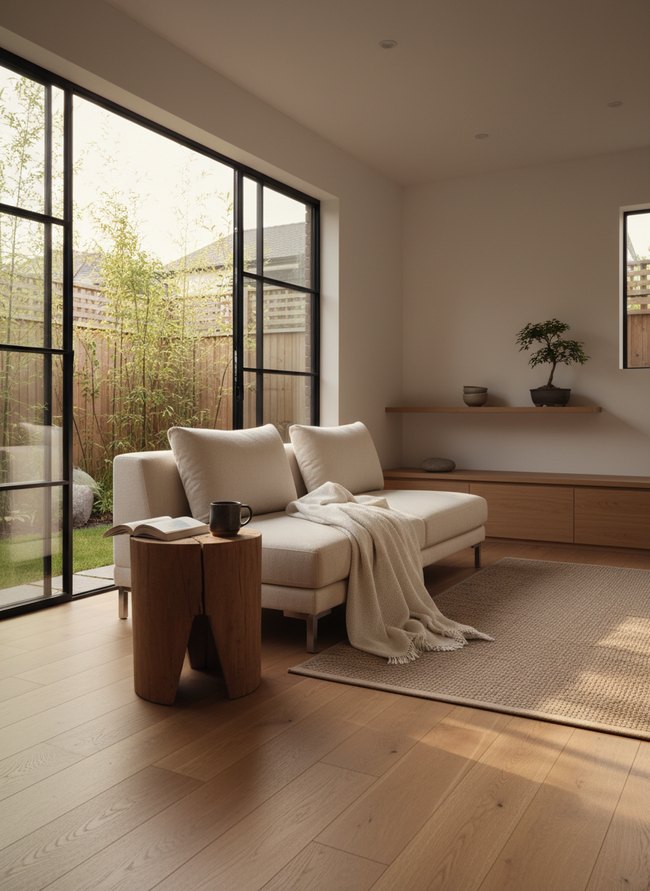
The large, black-framed window wall creates an expansive connection to the green outdoor space, making the room feel open. Soft, cream sofa cushions and a light, woven rug keep the small living area bright. A single wooden block side table holds a book and a dark ceramic mug, reinforcing the clean, calm feel. A large window expands the small room.
3. Clean Labeled Pantry System
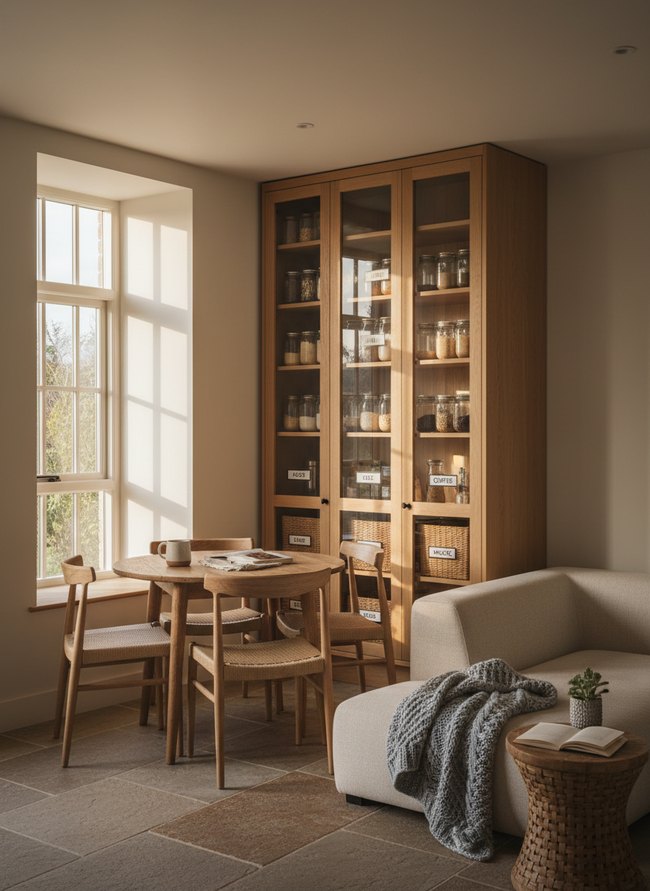
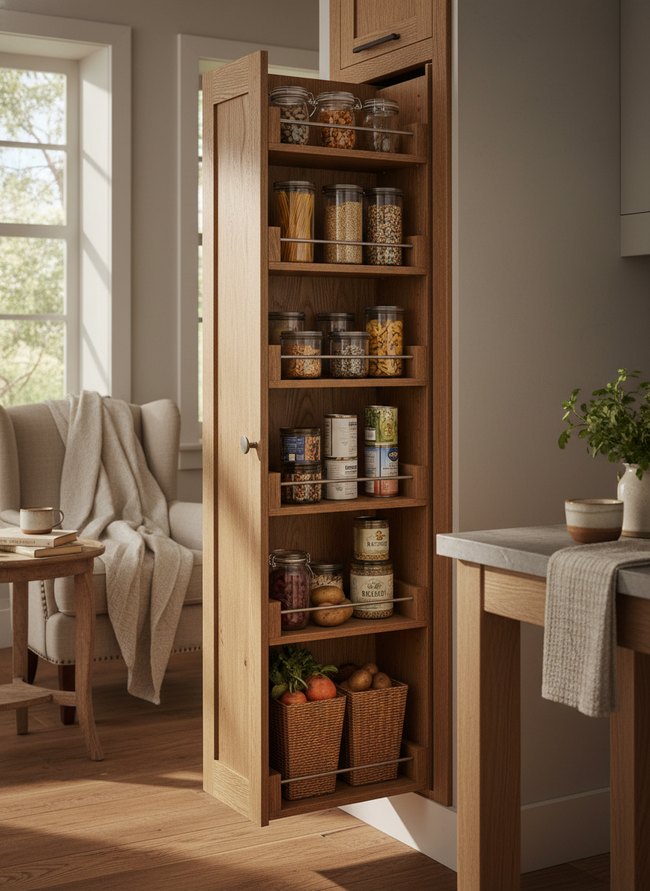
The tall oak pantry cabinet with clear glass doors showcases a clean labeled pantry system. The organization strategy makes ingredients easy to find, preventing duplicate purchases and food waste. Small woven baskets on lower shelves hide bulkier items, while white labels clearly identify contents within glass jars. Clear labels on uniform containers offer a practical solution.
4. Curated Capsule Wardrobe
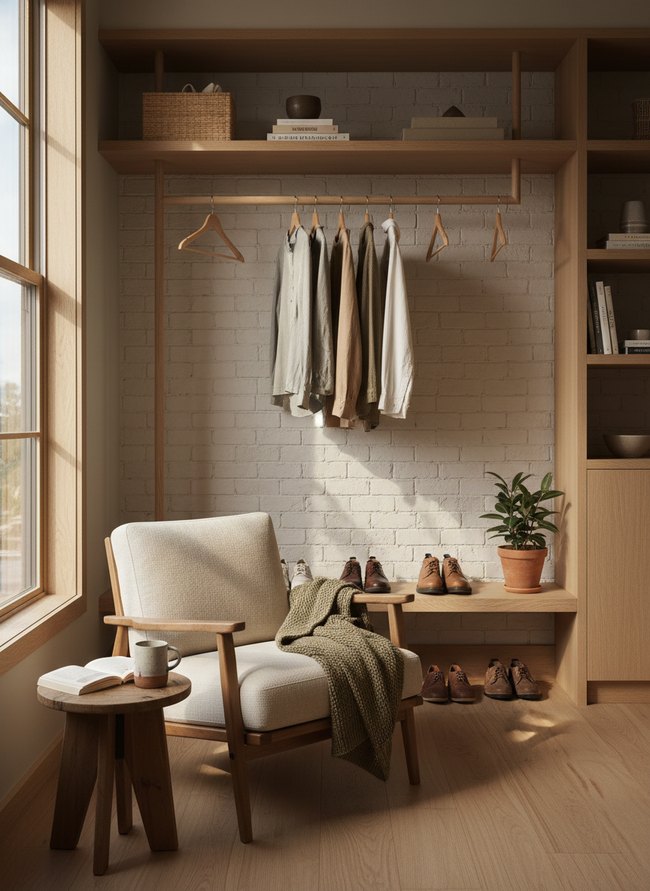
A steel clothing rack with six cotton shirts creates a streamlined, functional display. The minimalist approach works by showing only essential items, reducing visual clutter in the room. A small wooden stool with a ceramic mug and open book provides a reading nook. Display only your most-worn clothes.
5. Organized Smart Home Hub
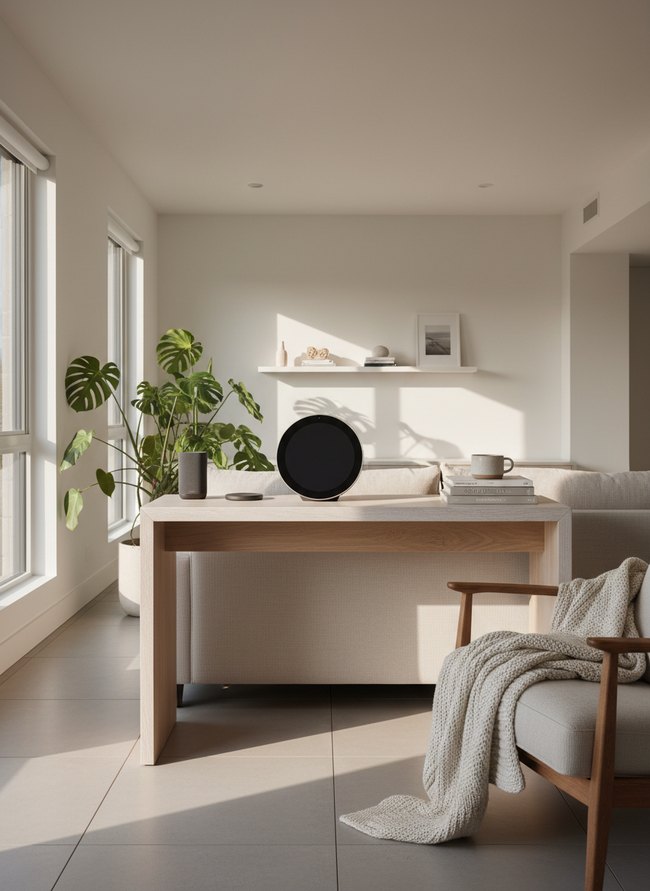
A light ash console table behind the sofa creates a clever zone for small devices. The placement keeps screens and speakers easily accessible without cluttering main living surfaces. A large green monstera plant adds a natural element, while a cream knit throw draped over a wood armchair provides soft texture. The single move to steal here is the dedicated console table.
6. Efficient Vertical Storage
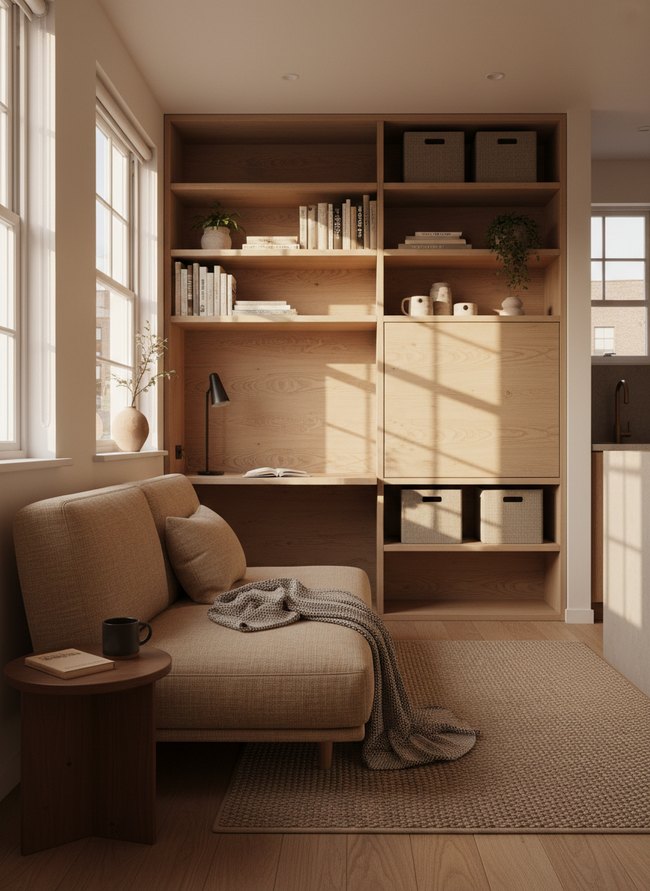
The built-in floor-to-ceiling shelving unit maximizes wall space for storage. The clever design creates ample room for books and decorative items, supporting a clean, decluttered aesthetic. A light brown sofa and a dark wood side table nearby offer a comfortable spot for reading or working. The integrated desk area provides a dedicated workspace within the larger storage system. Vertical shelving units add efficient storage to any home.
7. Harmonious Decluttered Desk
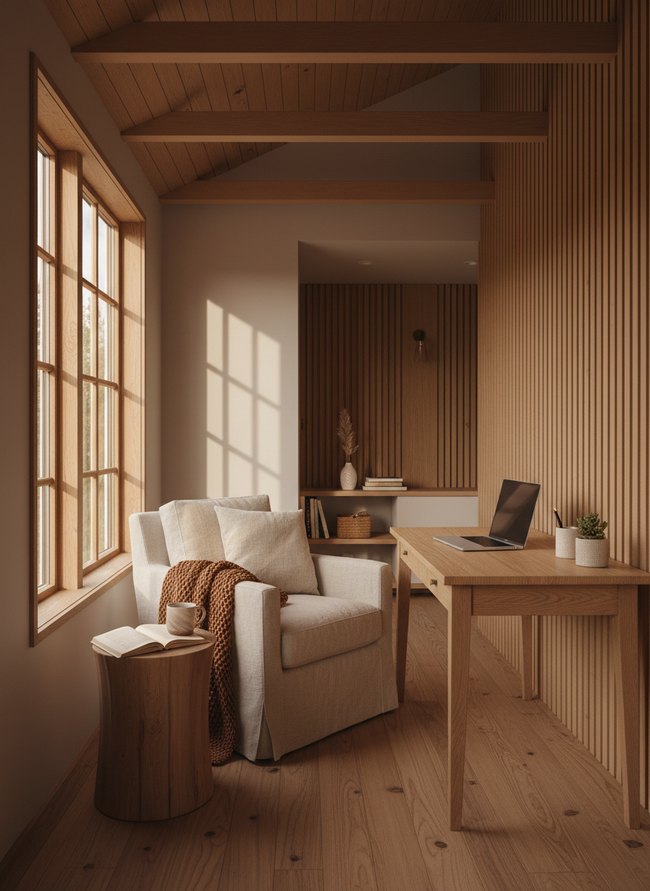
The light blonde wood desk stands completely clear, highlighting a key aspect of the decluttering aesthetic. The clean surface tells your brain the workspace is ready for focus, not distraction. A simple gray laptop and two small white pots sit on the wooden surface. The single most valuable move here is the empty desk surface.
8. Sleek Bathroom Vanity
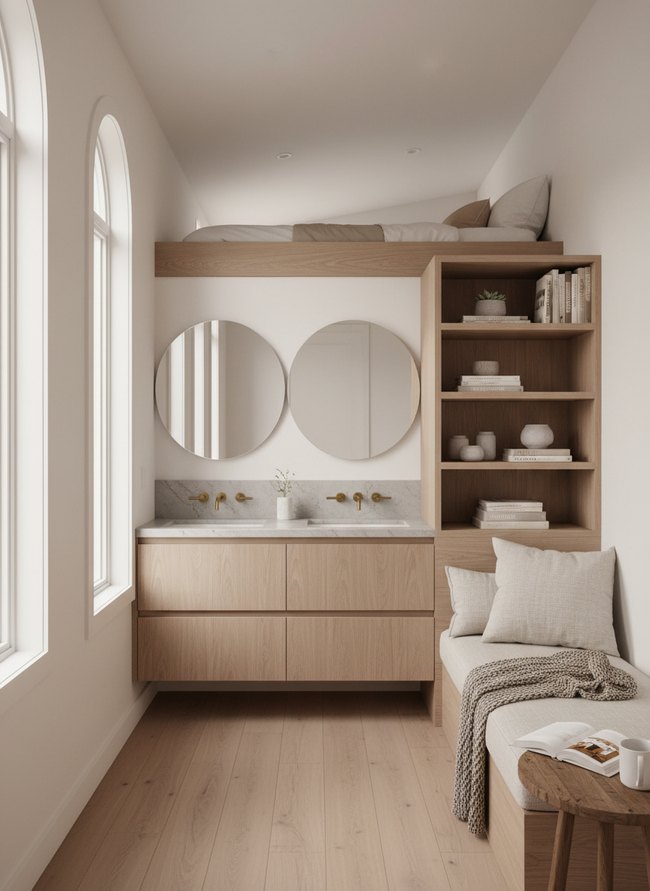
A floating oak vanity keeps the floor clear, making the small room feel much bigger. Natural light streams through two tall arched windows, brightening the light-colored walls and pale wood floor. A clean marble countertop and round brass faucets add subtle texture. The vanity idea works well in any small home.
9. Intentional Open Shelving
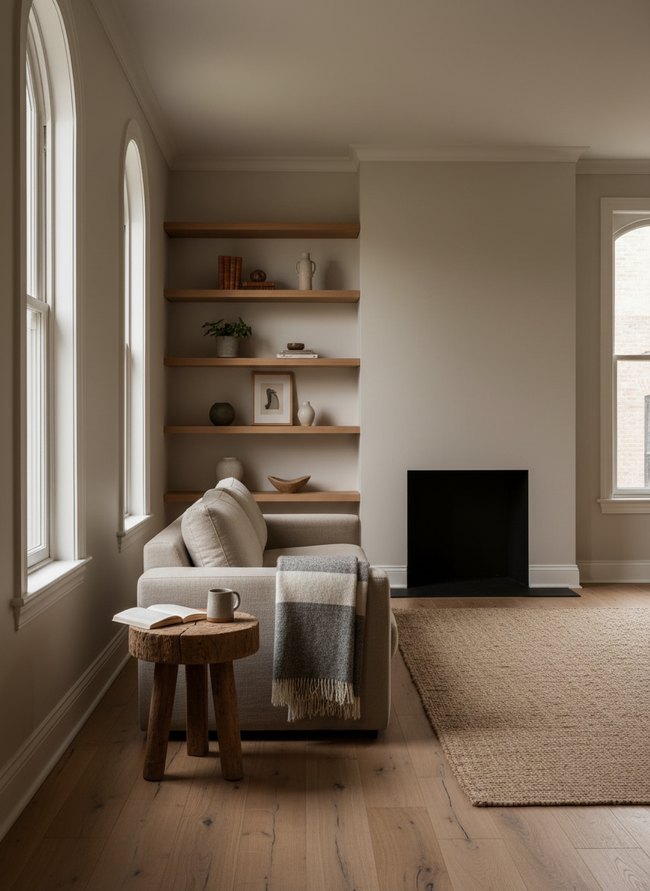
Floating oak shelves, expertly recessed into the light gray wall, provide a clean display for a few decorative objects. The minimal arrangement works by presenting only essential items, creating a calming visual flow. The light beige sofa and rough wood side table add natural texture to the space. Recess shelves for a sleek, decluttered look.
10. Spacious Entryway Essentials
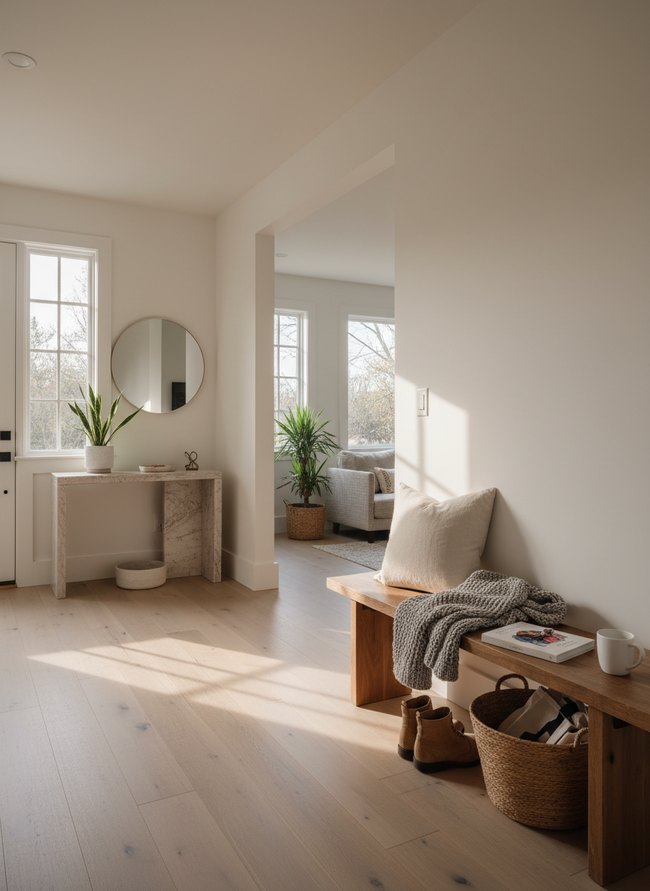
A wide, light oak floor provides a clean, open base, making the narrow entryway feel larger and brighter. Pale white walls and simple wood furniture further the airy mood, showing how less can be more in a decluttering aesthetic. A light, uniform floor can expand any small space.
11. Calm Bedroom Retreat
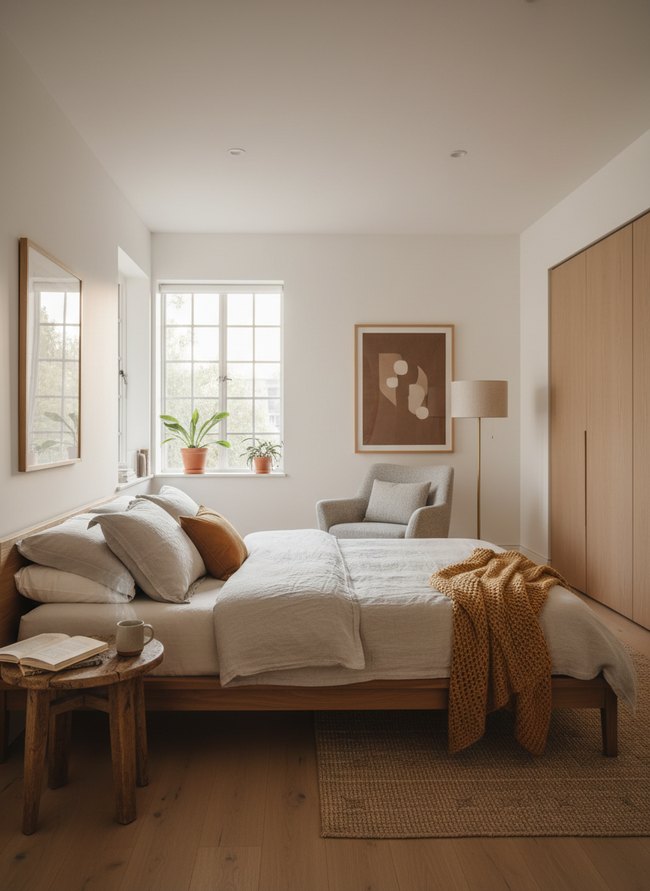
A light honey-toned wooden bed frame and headboard establish a clean, natural base for the bedroom retreat. Neutral linen bedding, including several soft gray pillows, keeps visual clutter low and promotes relaxation. A small, round, rustic wood stool holds a single open book and a ceramic mug, suggesting simple pleasures. The key takeaway for your own space is selecting natural wood tones for large furniture pieces.
12. Orderly Craft Nook
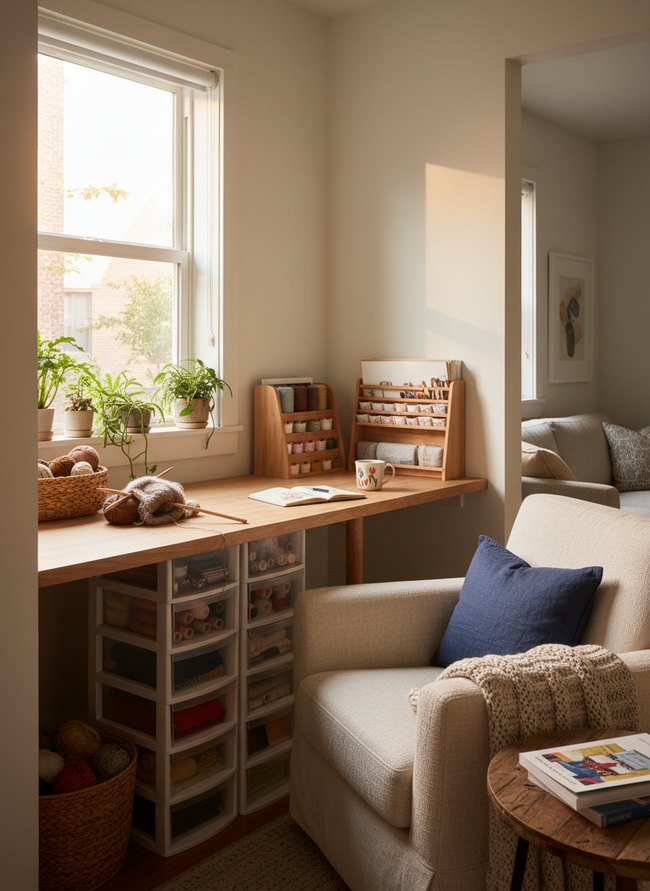
The long oak desk provides a continuous work surface, making the craft nook feel open and clean. Clear plastic drawers under the desk keep craft supplies visible yet contained, demonstrating a strong decluttering aesthetic. A woven basket of yarn and a small potted plant add softness to the organized space. Install clear storage containers.
The ‘Curated Constraint’ Principle: How Tiny Home Volume Dictates Aesthetic Cohesion
Curated constraint forces aesthetic cohesion in small spaces. A white oak galley kitchen, just eight feet long, demands every element serves two or three purposes. Your eye catches a matte black faucet that pulls down for dish washing and also fills a tall water pitcher. Owners select each wooden spoon and ceramic bowl with careful thought.
Many homes suffer from too many mismatched treasures. A homeowner might display a shiny chrome lamp next to an antique brass clock. The living room then feels disjointed, lacking a clear visual story. Small living areas cannot hide clutter or conflicting styles.
Conversely, a tiny home’s tight dimensions demand a unified visual language. Pale birch plywood lines the walls, creating a bright, unbroken surface. A charcoal gray sofa with clean lines stands against the light wood. Owners choose only a few textured throw pillows in creamy white and deep indigo. Every item contributes to the overall calm, functional feeling.
Such discipline in selection produces a restful environment. The small footprint dictates a clear, simple design plan. Each surface, from the concrete countertop to the woven jute rug, holds its own in the limited square footage.
Beyond Minimalism: The Functionalist Imperative in Tiny Home Material Selection
Every material in a small dwelling earns its place through hard work. A honey-toned pine plank wall, for instance, offers more than just warm color. Its solid wood construction also acts as the primary structure, holding up the roof and shelving units. Many homeowners choose materials that only look nice.
A charcoal gray concrete counter, on the other hand, provides a robust surface for food prep. This durable slab also stores heat from sunlight, slowly releasing warmth into the compact living area. Contrast this with a decorative tile backsplash, which often adds visual clutter without extra utility.
You need every surface to pull double duty inside a tiny home. A woven rattan basket stores blankets and doubles as a low footstool. Consider a fold-down oak table with built-in drawers. That small table serves as a dining surface, a workspace, and a storage spot for flatware.
An exposed copper pipe, running along a deep teal wall, carries fresh water. The metallic line simultaneously provides a convenient spot for hanging damp towels. Such purposeful material selection moves far beyond mere looks. It shapes a highly functional living space.
Which Idea Will You Try First?
That’s 12 different takes on decluttering aesthetic. The best ideas above are usually the smallest moves — one material, one layout shift, one piece of furniture in the right place. Pick whichever room feels closest to your space and start there before tackling the rest.
Found an idea worth keeping? Save this post to your Pinterest board so it’s waiting for you when you’re ready to start your own project.