10 Tiny Home Decorating Tips Designers Always Use
Small living spaces often present fun design challenges. Cozy square footage deserves smart layouts and clever solutions. Many homeowners struggle with making a compact area feel open and functional. A skilled builder considers every corner and wall during construction. Designers know precise tiny home designer tips for maximizing room without sacrificing style. Professionals use specific tricks to transform tight quarters into airy retreats. Clever furniture choices make a big difference in a small footprint. Homeowners can easily implement these tried-and-true techniques in their own home. Simple changes create noticeable impact. Discover how to make your small dwelling live large.
1. Vertical Garden Wall Panel
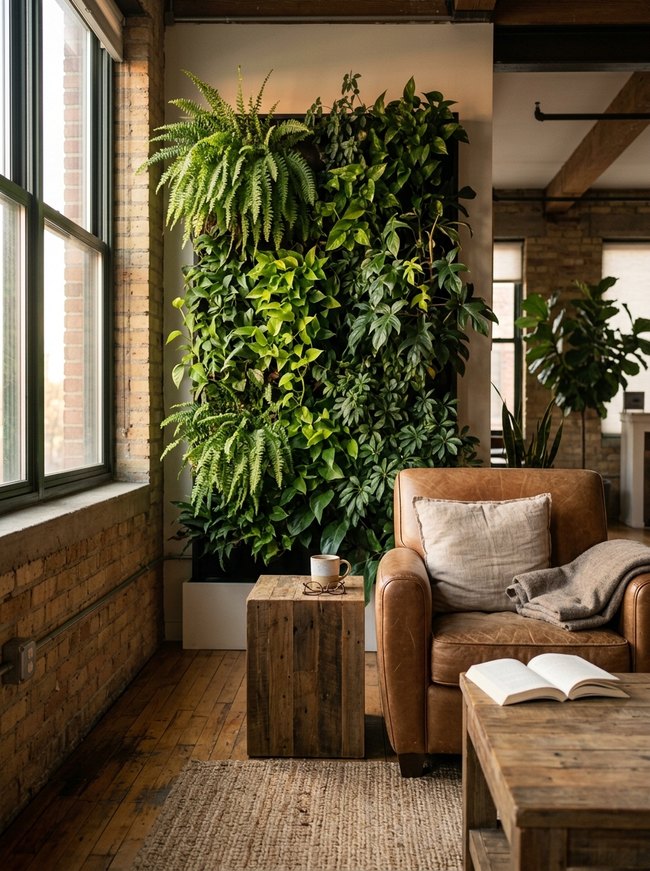
A large green plant wall panel rises from the floor, filled with varied bright foliage. Rough brick walls and a wide industrial window frame the tall plant display. A vertical garden adds a fresh, natural feel to any small space.
2. Mirrored Furniture Accent Piece
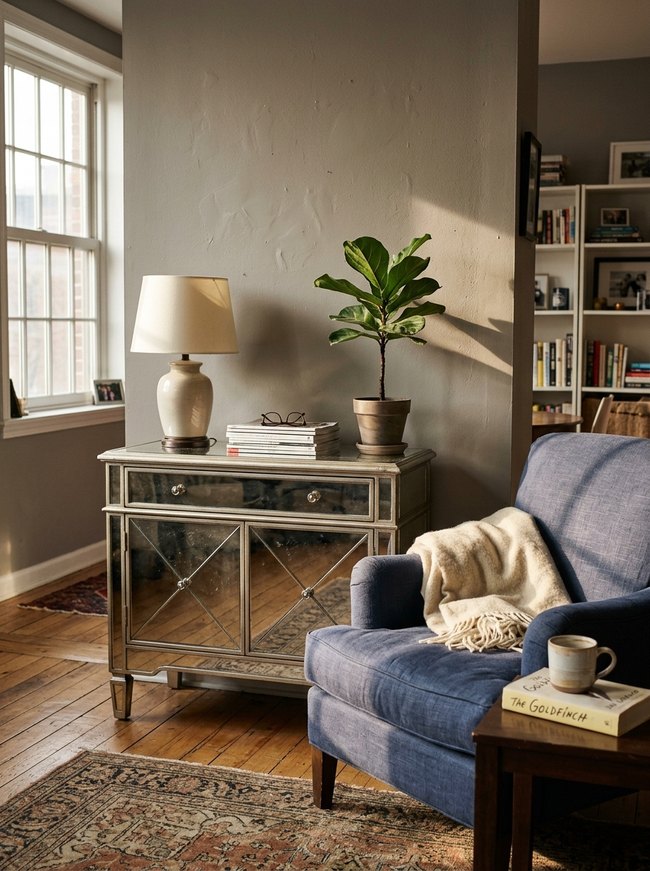
A mirrored chest with silver trim and glass knobs stands against a light gray wall, reflecting sunlight and expanding the room’s visual space. The polished surface holds a cream ceramic lamp, a small fiddle-leaf fig plant, and a stack of magazines with eyeglasses. The mirrored chest offers a clever tiny home designer tip: use reflective pieces to make rooms feel much bigger.
3. Floating Shelf Storage Solution
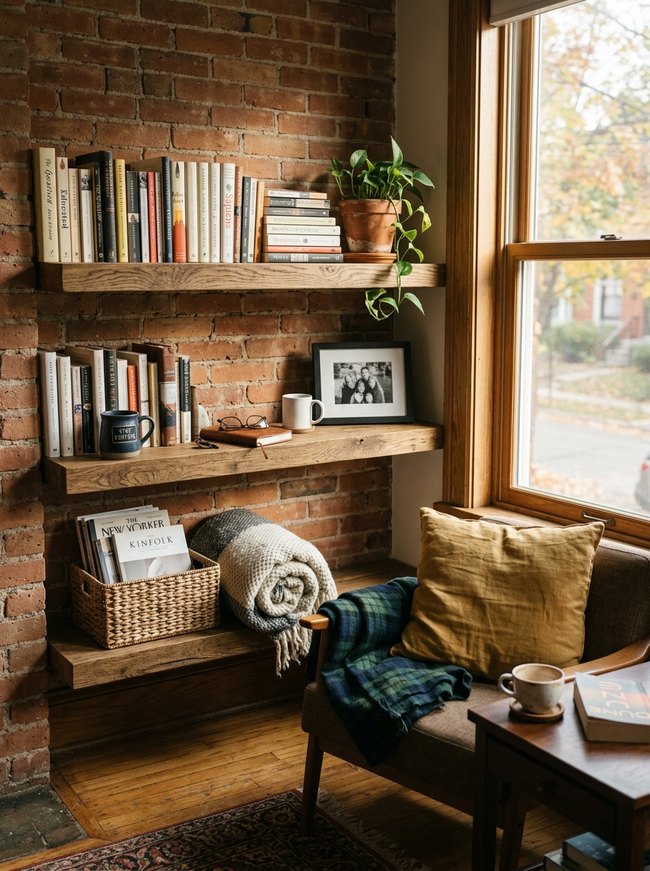
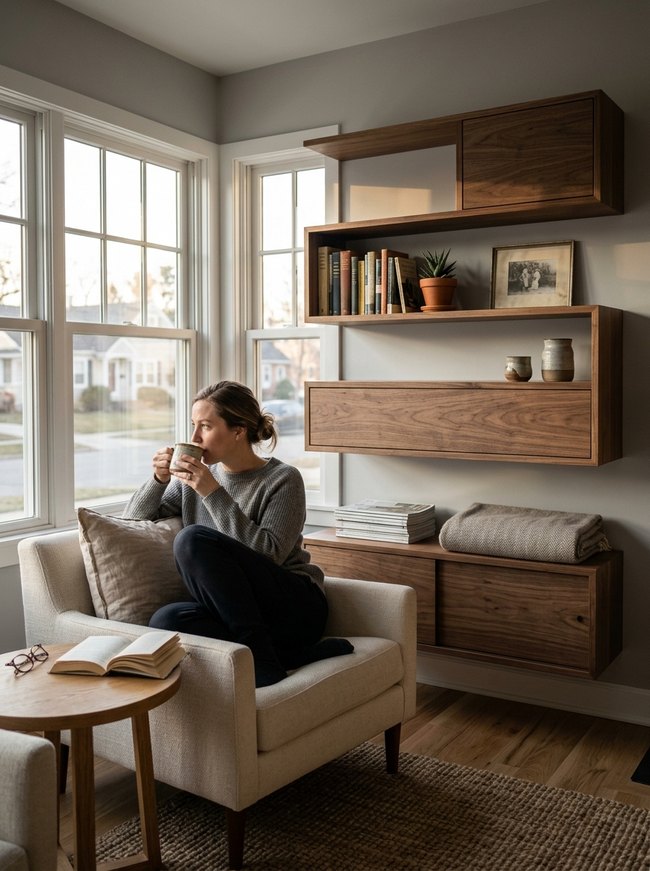
Rough-hewn wooden shelves float across a rustic brick wall, displaying books and a small potted plant. The shelves provide valuable storage for personal items without adding visual bulk to the tiny home. Readers can create a similar cozy reading nook by installing sturdy wooden planks and adding a comfortable armchair with a soft mustard yellow pillow.
4. Multifunctional Ottoman Seating
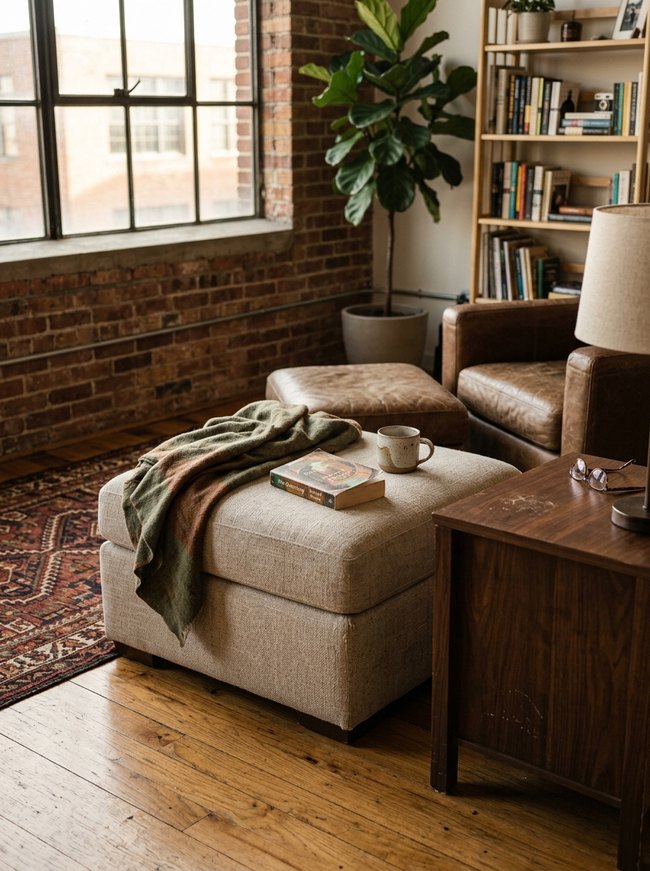
A light beige ottoman sits center, topped with a green and brown knitted blanket, a stoneware mug, and a book. The square ottoman provides extra seating or a place to kick up your feet, a smart tiny home designer tip. A storage ottoman can hide away blankets or magazines.
5. Pocket Door Room Divider
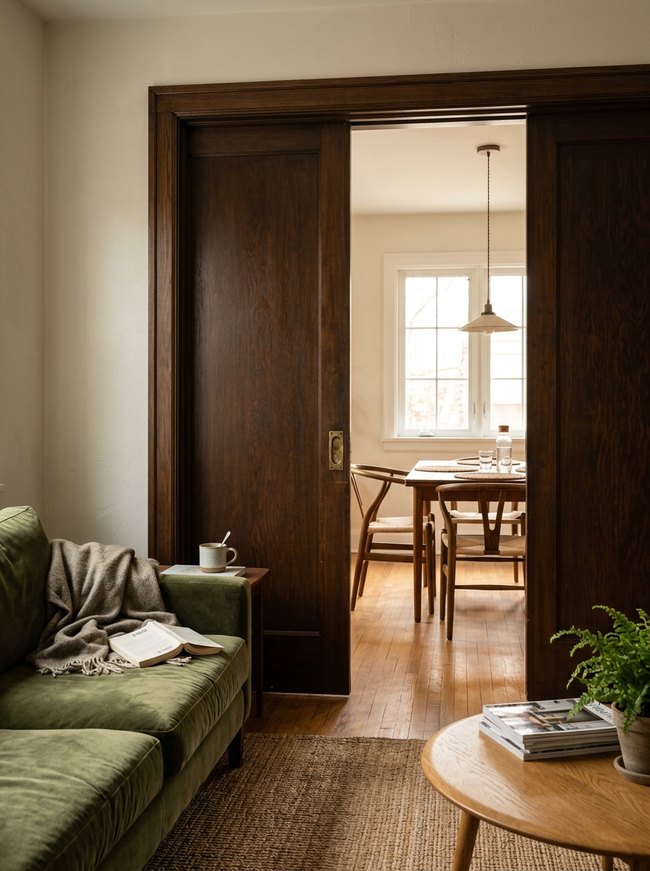
Dark wood pocket doors slide open, revealing a bright dining area with light oak floors and a double-hung window. A soft olive green velvet sofa sits in the foreground, draped with a light brown wool blanket. Pocket doors offer versatile room division without taking up floor space, a smart choice among tiny home designers.
6. Under Stair Nook Office
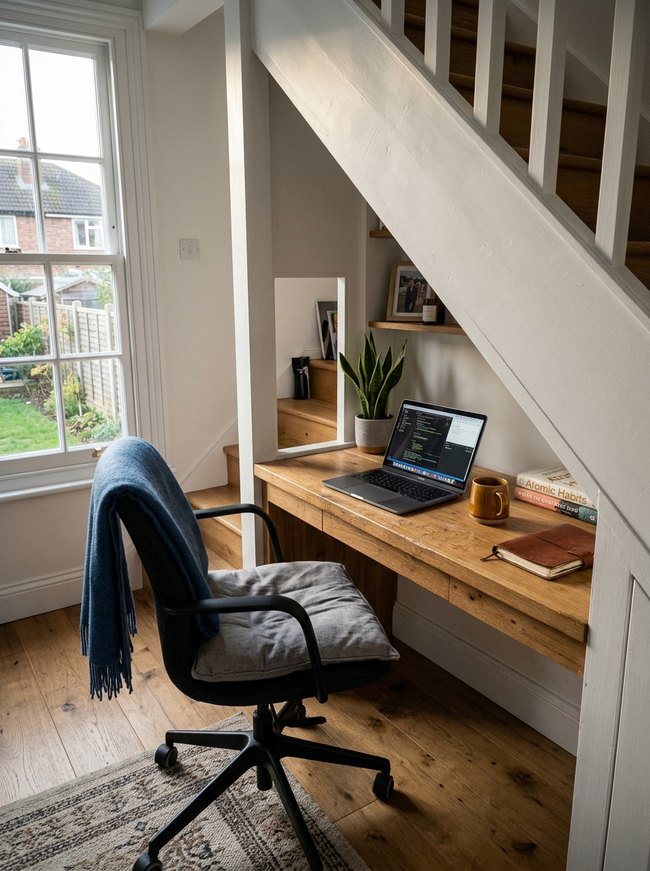
A warm oak desk fits snugly under the white painted staircase, creating a functional workspace. The black office chair with its gray cushion and blue throw blanket looks comfortable for long hours. You can easily make a small office nook in an unused space, following these tiny home designer tips for smart layouts.
7. Light Hue Paint Palette
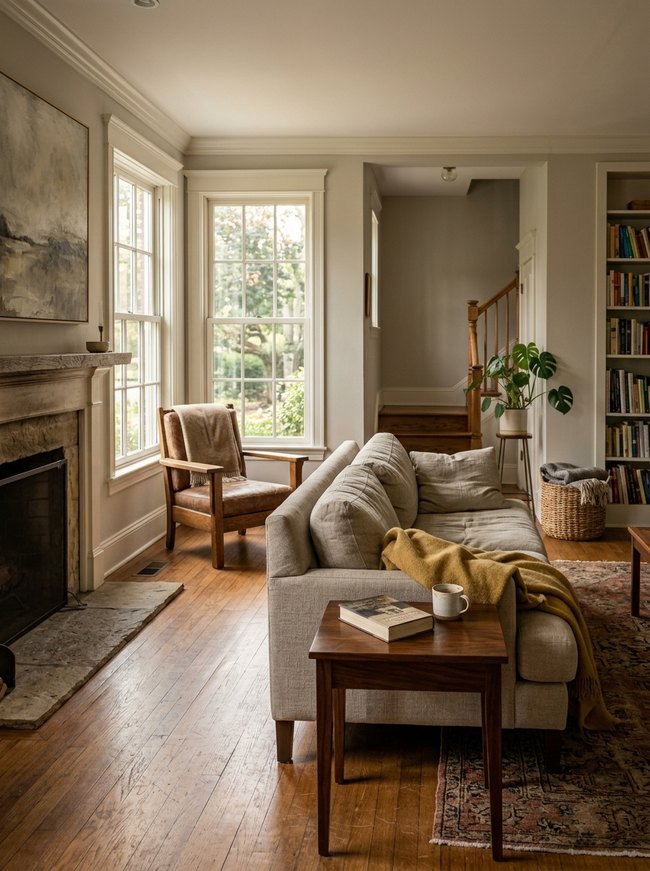
Light gray paint on the walls and ceiling brightens the cozy living room. A creamy beige sofa with a mustard yellow throw blanket provides warmth and color against the light walls. Homeowners can achieve an open, airy feeling by selecting a pale, neutral paint color for a tiny home.
8. Compact Foldable Dining Table
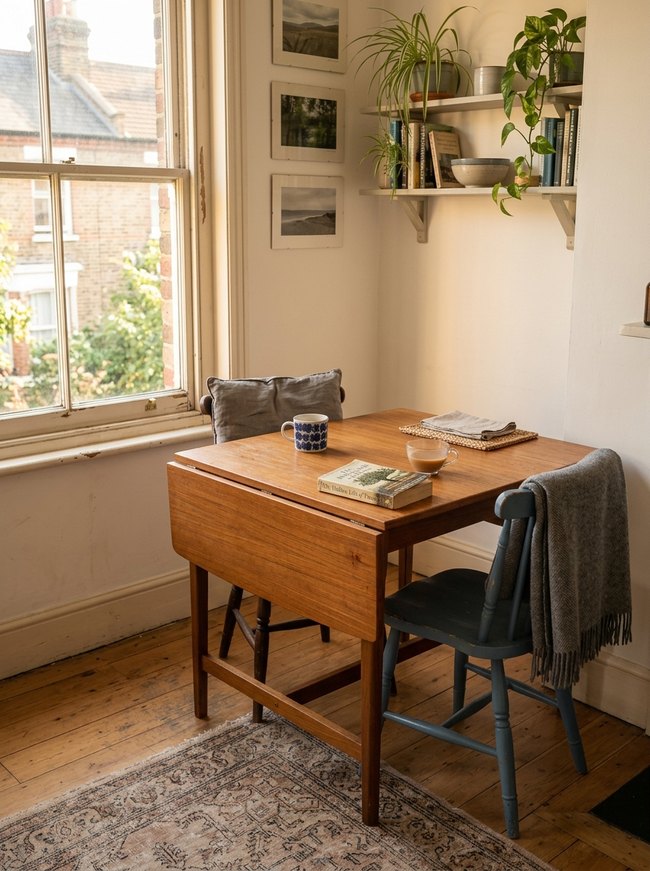
A warm, honey-toned wooden drop-leaf table sits ready for a meal or work session, with one leaf folded down to save floor space. Two wooden chairs, one dark brown and one painted dusty blue, flank the table, offering comfortable seating. The small home gains valuable space by choosing furniture with multiple functions.
9. Built-In Banquette Bench
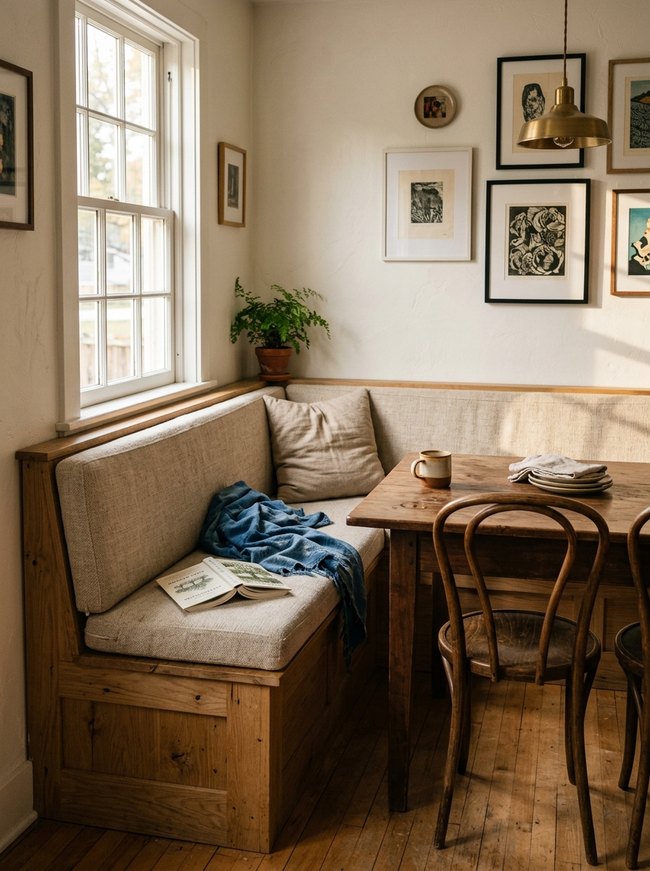
A warm honey-toned wooden banquette with light beige cushions hugs the corner of the cozy dining nook. The built-in seating creates a functional dining space while saving precious floor room, a smart move among tiny home designer tips. Hidden storage beneath the bench seat could hold extra blankets or dishes.
10. Strategic Area Rug Layering
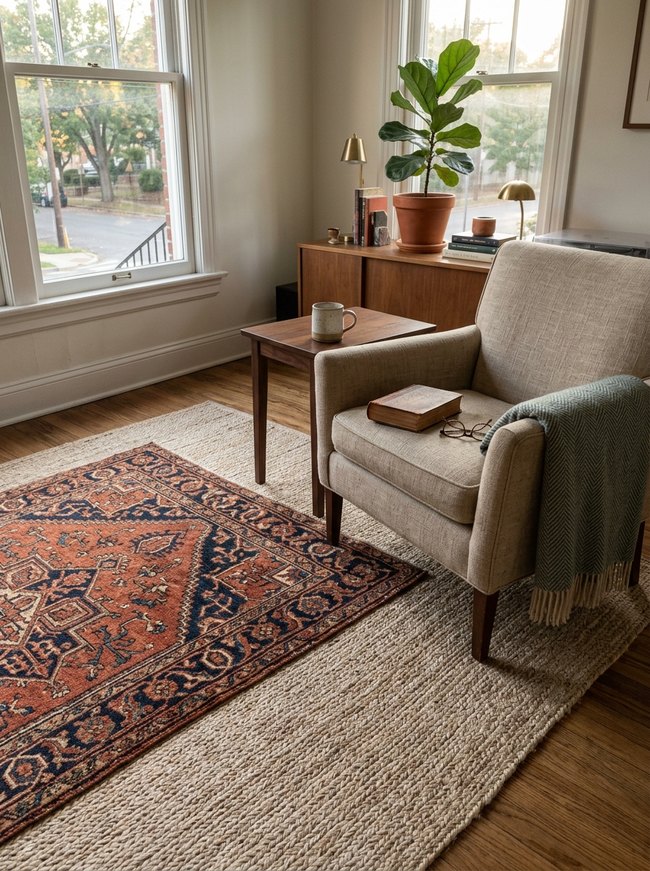
A natural jute rug lays flat on honey-toned wooden floorboards. An antique rust-colored Persian rug with dark blue patterns rests on top of the jute, adding rich color and texture to the reading nook. The clever layering trick is one of many tiny home designer tips that helps define specific areas within a larger room.
The ‘Oops!’ Moments: Common Tiny Home Decor Mistakes (And How to Fix Them)
Many tiny house owners make poor lighting choices. Dim overhead fixtures cast harsh shadows across painted walls. Consider mixing light sources for better coverage. Task lighting brightens your small kitchen counter. Ambient light from a floor lamp softens the living area. Accent lights highlight a favorite redwood bookshelf. Overcrowding rooms with bulky furniture creates visual clutter. A large sectional sofa swallows precious floor space. Opt for multi-functional pieces instead. Nesting tables provide flexible surface options. A storage ottoman hides blankets and board games. Ignoring vertical space wastes valuable storage. Tall narrow cabinets reach towards the vaulted ceiling. Floating shelves hold small potted plants and ceramic mugs. Install hooks for jackets and woven baskets. Dark paint colors shrink your interior. Light neutral shades like soft white or pale gray expand the perception of space. Bright pops of color on throw pillows add personality. Choose one bold accent wall in a sunny yellow. Small patterns on wallpaper can feel busy. Large-scale patterns or solid textures work better. Your tiny home deserves thoughtful design.
Beyond the Basics: Unexpected Items That Double as Decor and Storage
A hollow wooden cube acts as both a side table and a storage bin for thick blankets. Many small homes benefit from clever furniture choices. Consider a velvet ottoman with a removable top that hides magazines and remote controls. Your living room gains extra seating. Look for headboards with built-in shelves or small compartments to hold nighttime reading and a clear glass of water. Some bed frames feature deep drawers underneath the mattress platform, keeping seasonal clothing out of sight. A rolling kitchen island provides counter space for chopping vegetables and also contains wire baskets for root vegetables. This mobile unit tucks neatly against a wall when not in use. You can find narrow console tables with hidden drop-leaf extensions that transform into a dining surface for two people. Wall-mounted baskets crafted from woven rattan offer decorative texture and hold mail or keys near the entryway. These dual-purpose pieces stretch your tiny footprint.
Which Idea Will You Try First?
That’s 10 different takes on tiny home designer tips. The best ideas above are usually the smallest moves — one material, one layout shift, one piece of furniture in the right place. Pick whichever room feels closest to your space and start there before tackling the rest.
Found an idea worth keeping? Save this post to your Pinterest board so it’s waiting for you when you’re ready to start your own project.