How to Choose the Right Mattress for a Tiny Loft
Mattress selection for a tiny loft demands a specific focus beyond mere comfort or firmness. Standard foam mattresses, with their dense rectangular bulk, rarely fit through narrow attic doorways. The living space needs a solution that respects both compact dimensions and good sleep. The guide will walk you through the precise factors. A proper tiny loft mattress requires careful consideration of its compressed thickness, its internal material composition, and the physical path it will travel into the elevated sleeping area. Most people overlook the challenges of moving a bulky item into a tight, overhead space, focusing only on the bed once it is installed. We break down these common oversights with actionable advice.
1. Compact Memory Foam Mattress
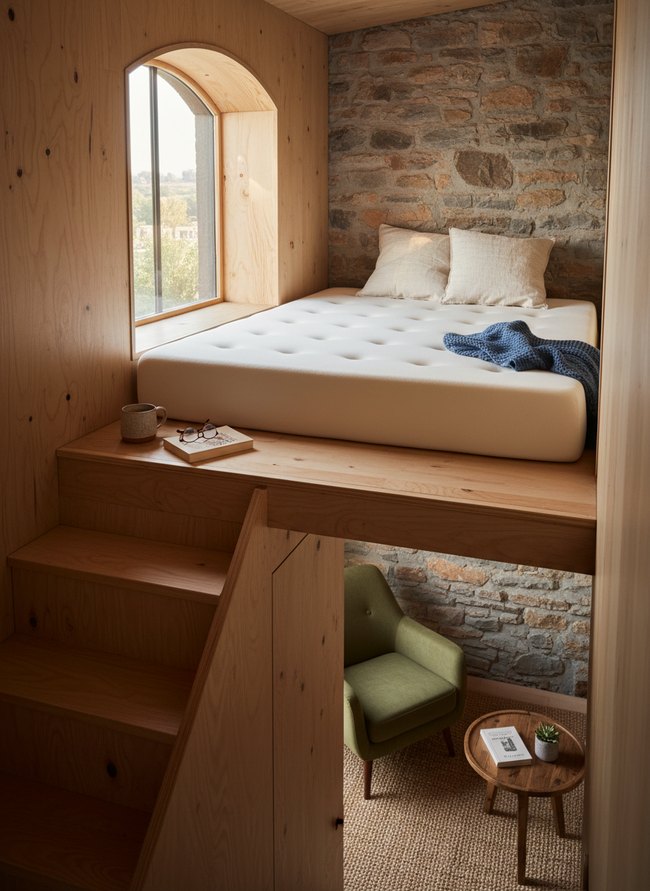
An ivory mattress sits snugly inside a built-in wooden platform, proving a tiny loft mattress can fit into very small spaces. The minimalist design of the mattress and its wooden frame creates clean lines that blend with the natural stone wall and light wood paneling. You can steal the idea of a built-in platform bed to maximize every inch of a compact sleeping area.
2. Foldable Loft Sleep Pad
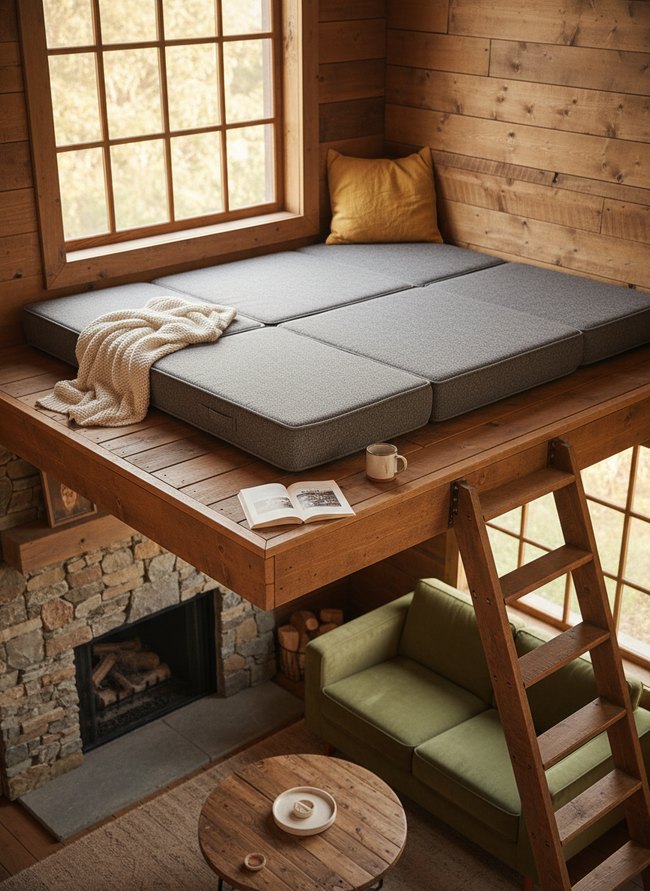
A multi-panel grey mattress on the raised wooden platform offers flexible sleeping arrangements. Individual mattress sections adjust the sleeping area for different needs, fitting the small loft space. A knit cream throw and a mustard yellow pillow add soft texture against the sturdy wooden walls. Modular mattress panels provide a custom fit in any small sleeping nook.
3. Trifold Gel Mattress
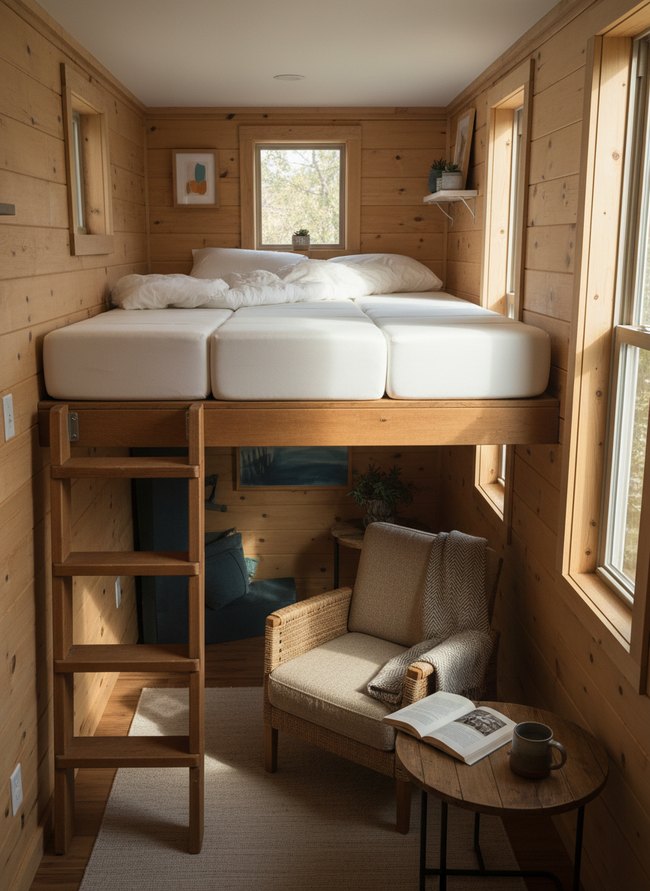
Three segmented foam pads create a flexible sleeping surface for a tiny loft mattress. The modular design allows adjustment of the mattress shape or easy storage when not in use. A small wooden ladder provides access to the loft, and natural light streams through multiple windows. The segmented mattress design offers maximum versatility in a small space.
4. Thin Profile Coil Mattress
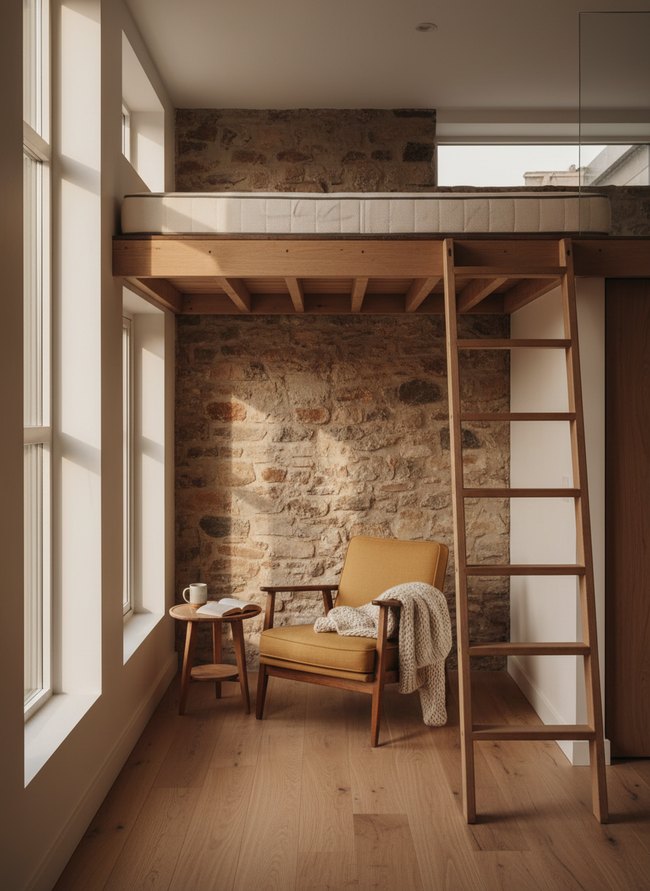
A thin coil mattress rests directly on light wood slats, maximizing vertical space in the tiny loft. The design prevents the bed from feeling bulky, keeping the room open and airy. A simple wooden ladder leads to the sleeping area. The single move worth stealing is using a low-profile mattress on a slatted base.
5. Hybrid Loft Bed Mattress
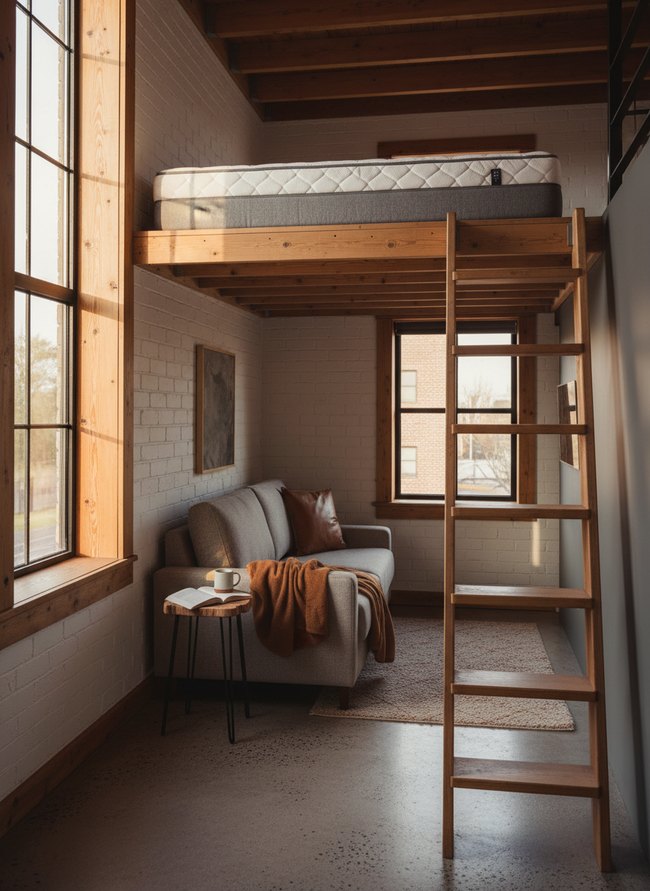
The designer selected a thin gray and white hybrid mattress, which keeps the bed area open. The low-profile mattress fits well under the exposed wood ceiling beams. A light gray sofa with a rust-colored throw blanket sits below, creating a cozy living space. Keep the mattress thin for maximum headroom.
6. Roll Up Foam Mattress
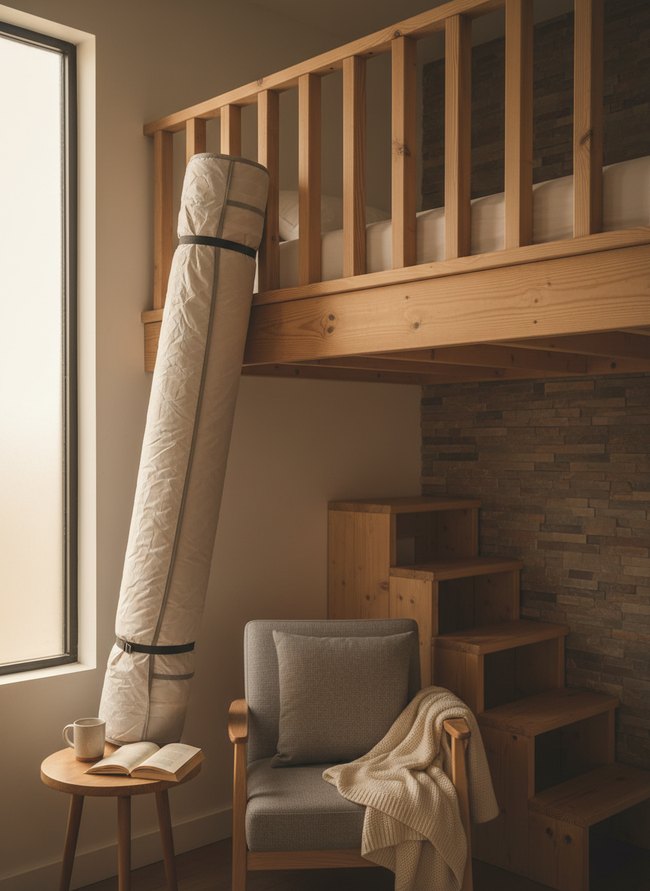
The designer chose a narrow, rolled-up foam mattress in light beige fabric. The mattress allows easy storage and movement within a small area, like a tiny loft setup. A light gray armchair with natural wood arms and a beige knit throw blanket provide comfortable seating below the loft. The roll-up mattress offers simple storage.
7. Custom Cut Loft Mattress
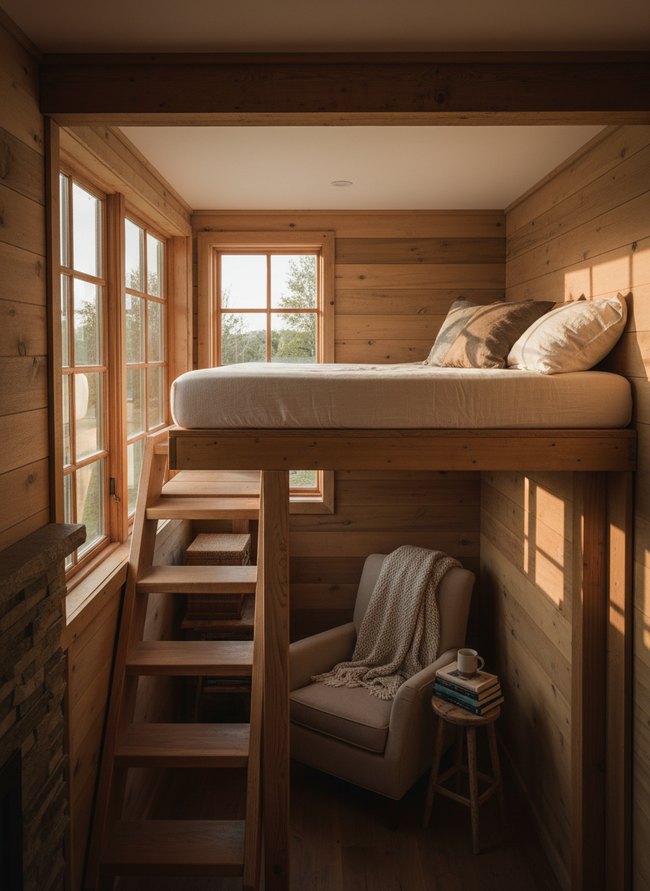
A custom-cut mattress fits the wooden loft platform exactly, maximizing the sleeping area in a small space. The light beige fabric cover blends with natural wood walls, creating a calm bedroom feel. A small armchair and wooden stool sit below the loft, making a cozy reading nook. Precisely sizing a tiny loft mattress maximizes space in a compact bedroom.
8. Inflatable Air Mattress
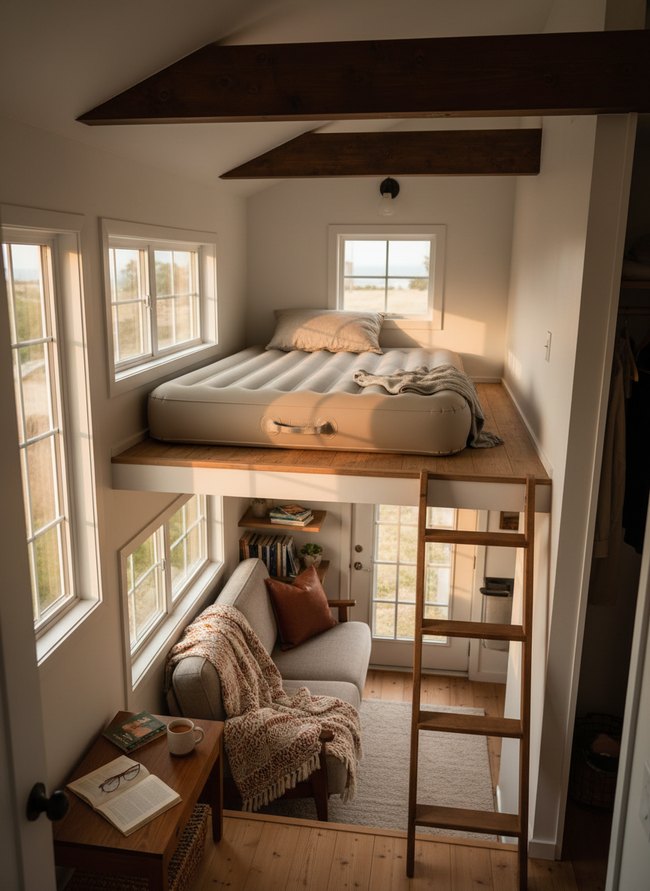
The inflatable loft mattress fits snugly onto the upper wooden platform. The mattress inflates only when needed, gaining floor space below. A light brown knit blanket and a single cream pillow dress the mattress simply.
9. Extra Firm Loft Mattress
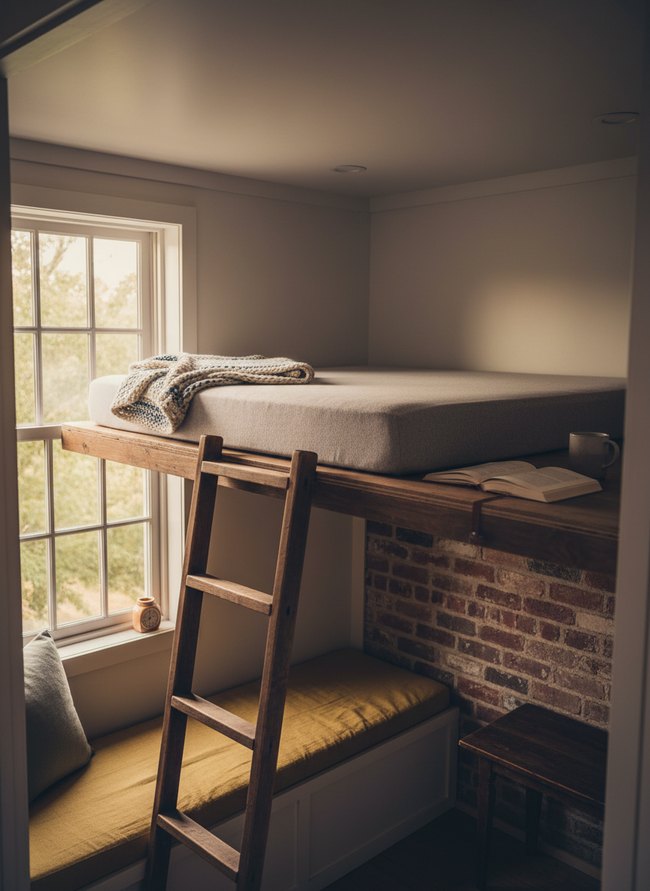
A low-profile mattress allows for maximum headroom in the small space. The firm mattress keeps its shape and provides solid support, important for a tiny loft where ceiling height is limited. A rustic wooden ladder offers easy access; a simple knit blanket adds texture. For increased vertical space, choose a low-profile mattress.
10. Soft Top Futon Mattress
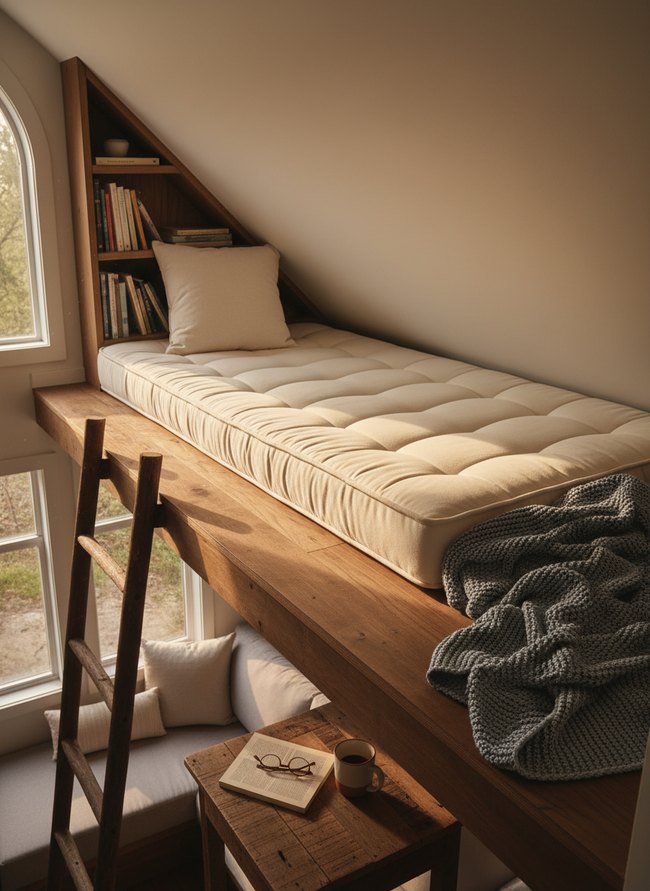
A thick, tufted futon mattress fills the entire wooden loft platform, maximizing usable sleep area. The soft mattress creates a cozy sleeping nook, especially with the cream throw pillow and gray knitted blanket. A small wooden bookshelf built into the angled wall provides storage for books right next to the futon. The futon mattress fits awkward angles.
11. Lightweight Latex Mattress
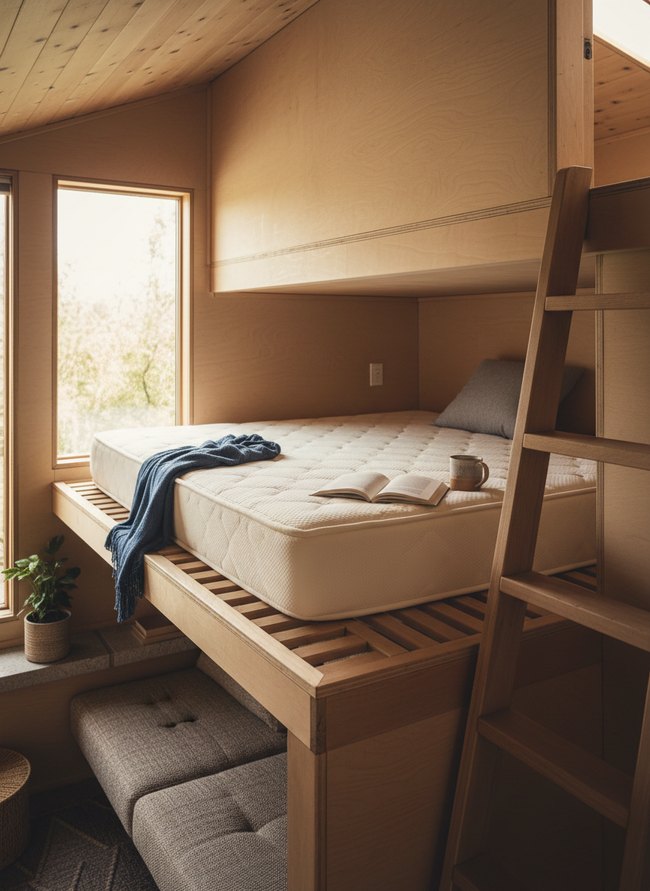
A creamy quilted mattress sits on a light wooden slatted frame, maximizing airflow to prevent moisture buildup. The low profile and light color contribute to an airy feeling, keeping the loft from feeling cramped. A wooden ladder stands ready for easy access to the sleeping platform. Choose a thin mattress to create an open, spacious bedroom.
12. Bunk Bed Foam Mattress
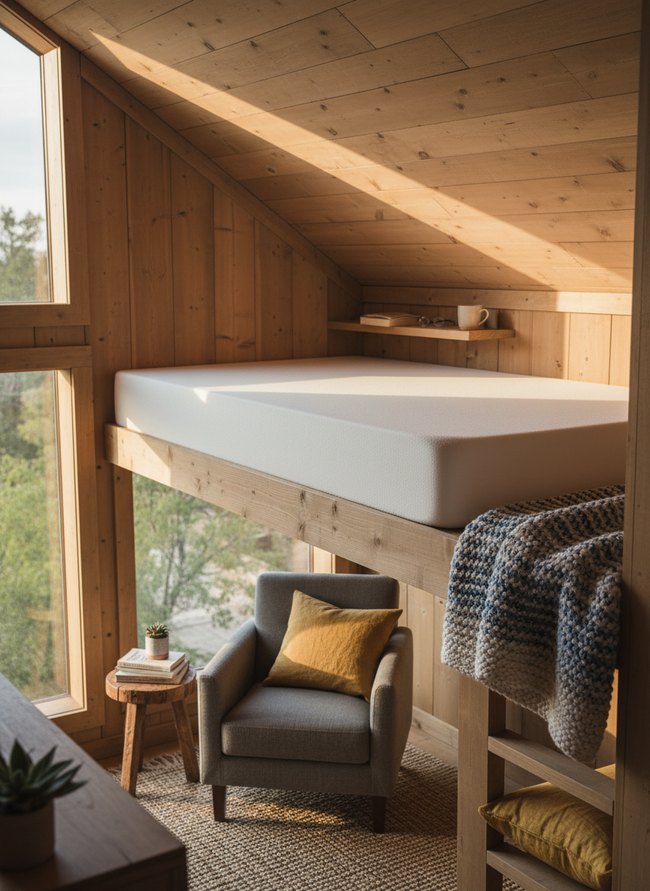
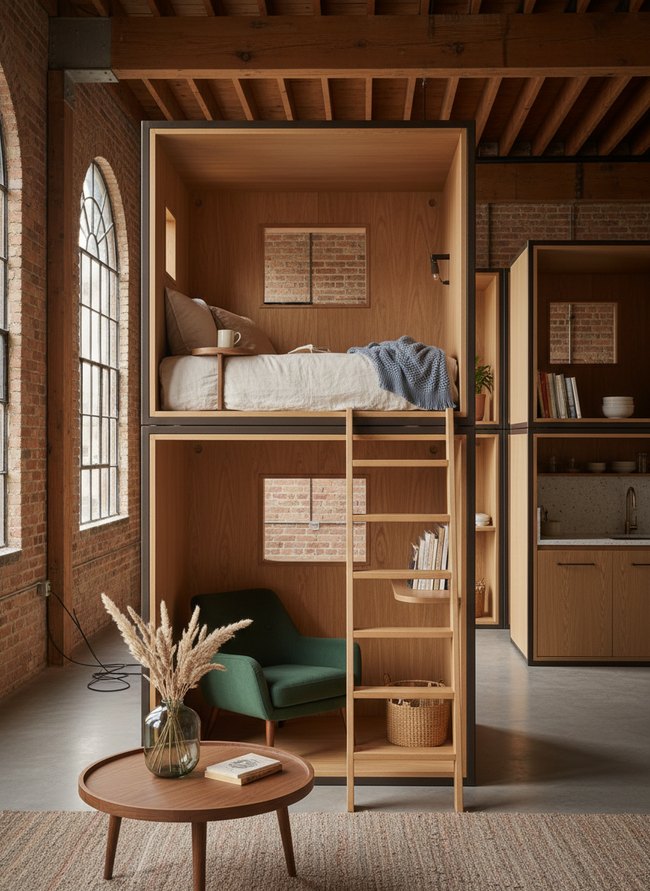
The designer used a white foam mattress on a raised wooden platform, making the tiny loft mattress functional without adding visual weight. The approach keeps the small space feeling open and airy, important for tiny living. A small wooden shelf holds a book and coffee mug, offering a convenient surface near the mattress. A minimalist mattress works well in a tiny loft.
The Biomechanical Implications of Verticality: Headroom Constraints and Cervical Spinal Alignment in Elevated Sleep Surfaces
Proper headroom directly impacts cervical spine alignment. A low ceiling forces an awkward stoop when getting into or out of a tiny loft bed. Consider a deep navy blue memory foam mattress placed under a joist just two feet above the sleeping surface. This tight space makes sitting upright impossible. You risk repetitive strain on your neck and upper back. Conversely, a vaulted ceiling six feet above the same queen-sized mattress provides ample room. This generous clearance allows a natural, upright posture when you sit up. Your spine maintains its gentle S-curve, avoiding painful compression. Without enough vertical space, simple movements become a contortionist act. You want a minimum of 36 inches from the mattress surface to the ceiling above it. This measurement permits comfortable movement and prevents head bumps. Lack of overhead clearance leads to chronic neck stiffness. You can avoid future physical pain with careful planning.
Material Science of Compressibility: Quantifying Foam Density’s Role in Expedited Loft Access Maneuvers
Foam density dictates how easily you move a mattress into a tiny loft. A high-density memory foam mattress resists bending and rolling. Low-density polyfoam offers more pliability, making overhead maneuvers simpler.
Consider a 6-inch thick queen-sized mattress for a raised sleeping platform. A heavy mattress with 5-pound density foam feels like a solid wooden plank. You will struggle to pivot the stiff mattress around a tight corner or through a narrow opening. Lighter 2-pound density foam allows the mattress to flex and fold without great effort. You can fold a flexible mattress in half, creating a temporary V-shape that fits through small access points. A rigid mattress forces you to wrestle its full flat form, risking wall scrapes and personal strain. Choosing a lower-density material directly impacts your installation experience. Avoid stiff materials for small spaces.
Which Idea Will You Try First?
That’s 12 different takes on tiny loft mattress. The best ideas above are usually the smallest moves — one material, one layout shift, one piece of furniture in the right place. Pick whichever room feels closest to your space and start there before tackling the rest.
Found an idea worth keeping? Save this post to your Pinterest board so it’s waiting for you when you’re ready to start your own project.