How to Plan Your First Tiny Home Bedroom
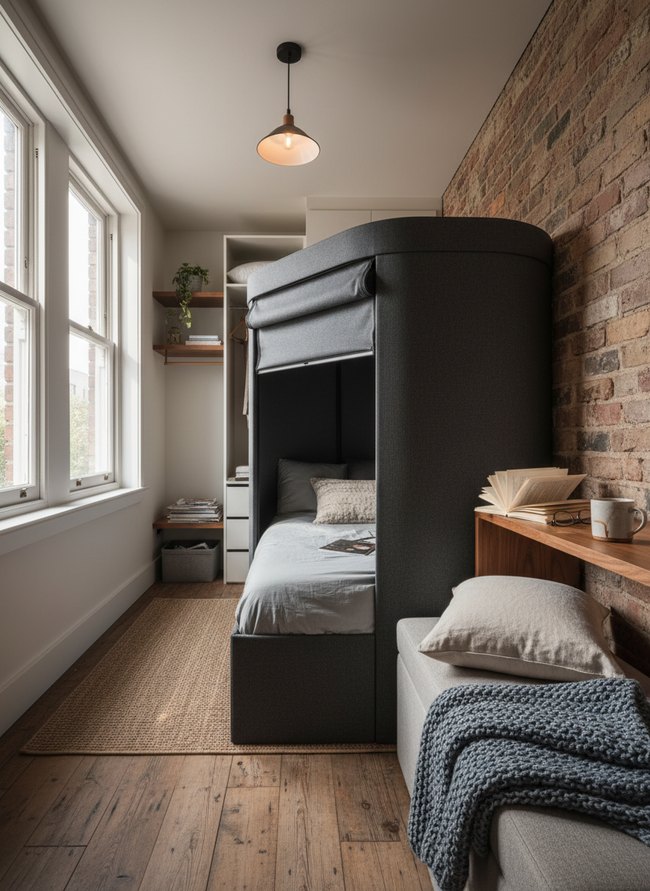
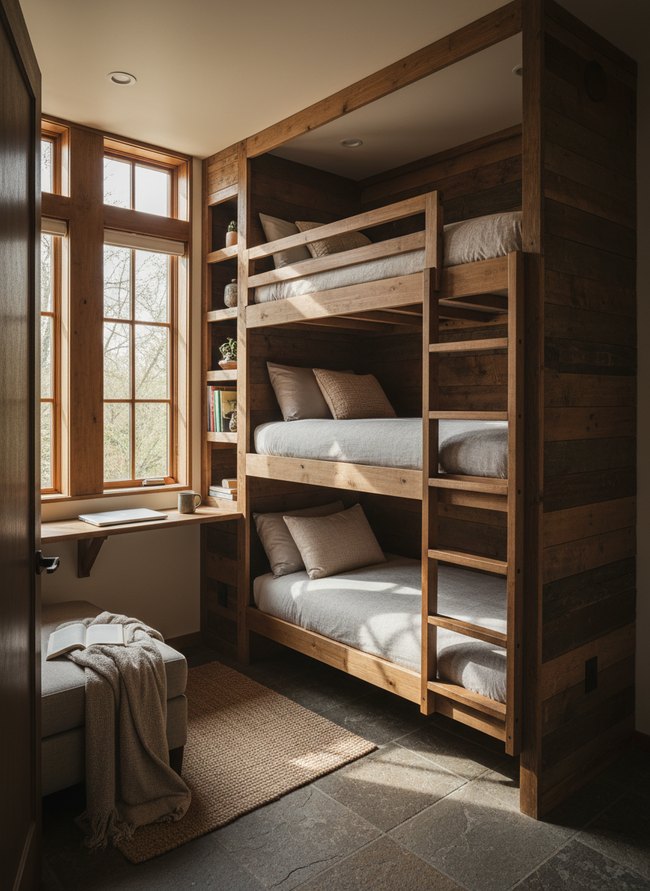
Wall space, not floor area, dictates tiny home bedroom design. Many new builders chase square footage numbers, neglecting the vertical plane where most storage and comfort reside. A low, wide platform bed against a solid timber wall provides a cozy sleeping surface, but windows or doors chop up other surfaces. The tiny bedroom will feel expansive with smart vertical choices. We will show you how to maximize every available linear foot. Careful planning lets a small sleeping nook feel like a true retreat, providing a deep sense of calm and order. Careful arrangement of items across different height levels transforms cramped spaces into functional, airy havens.
1. Minimalist Loft Sleeping Nook
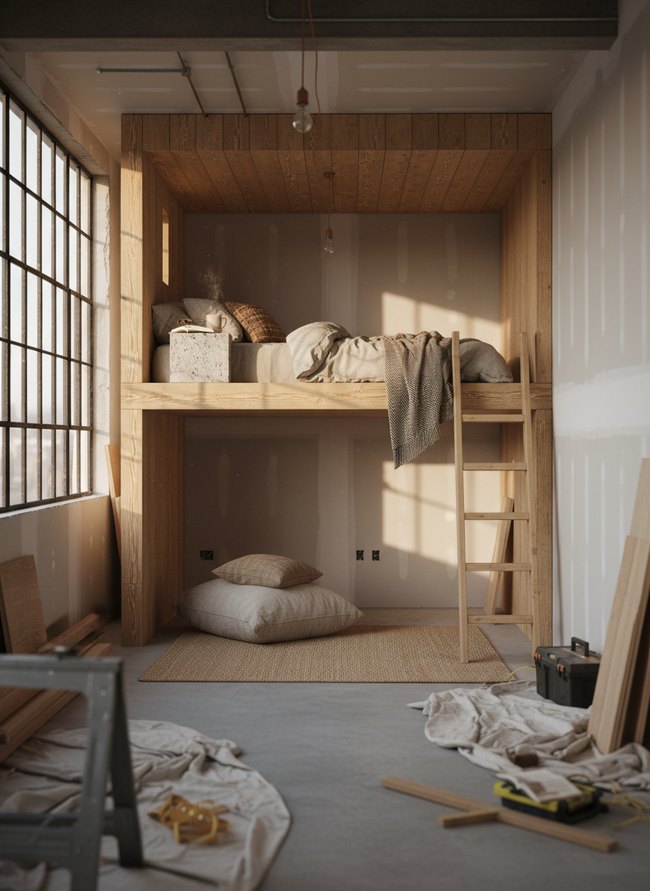
A raised blonde wood platform bed creates a defined sleeping area in a small space. The elevated wooden structure provides both a private sleeping nook and an open area underneath for other uses. Light gray cushions and a natural fiber rug offer soft textures below the lofted bed. The custom-built, enclosed wooden bed frame is a useful detail for a tiny bedroom.
2. Under-Stair Compact Retreat
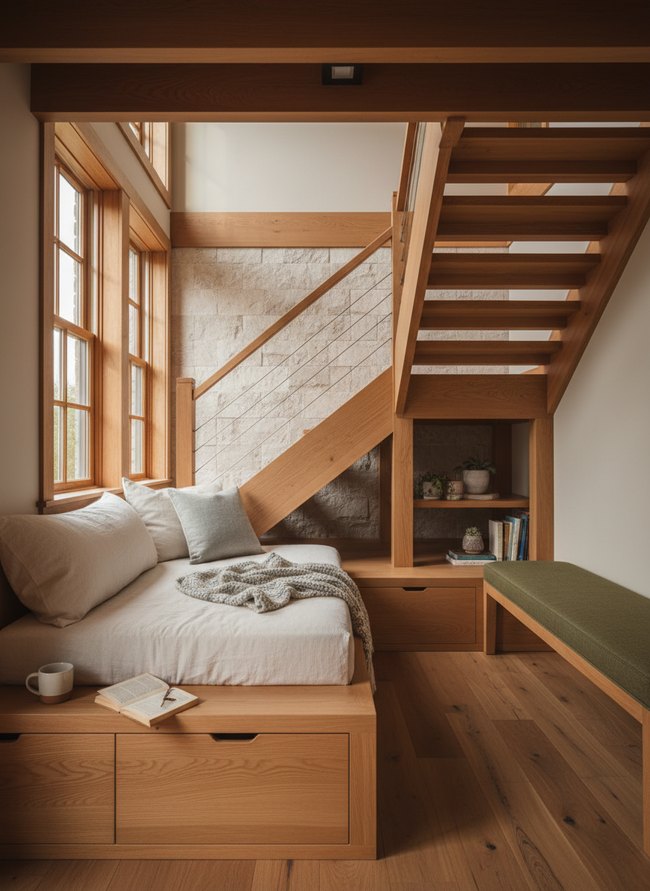
Building a platform bed with integrated storage drawers creates a highly functional, space-saving plan for a first tiny bedroom. Light wood frames the large window, pulling natural light into the sleeping area. The bed combines sleeping and storage in one compact unit.
3. Convertible Sofa Sleeping Zone
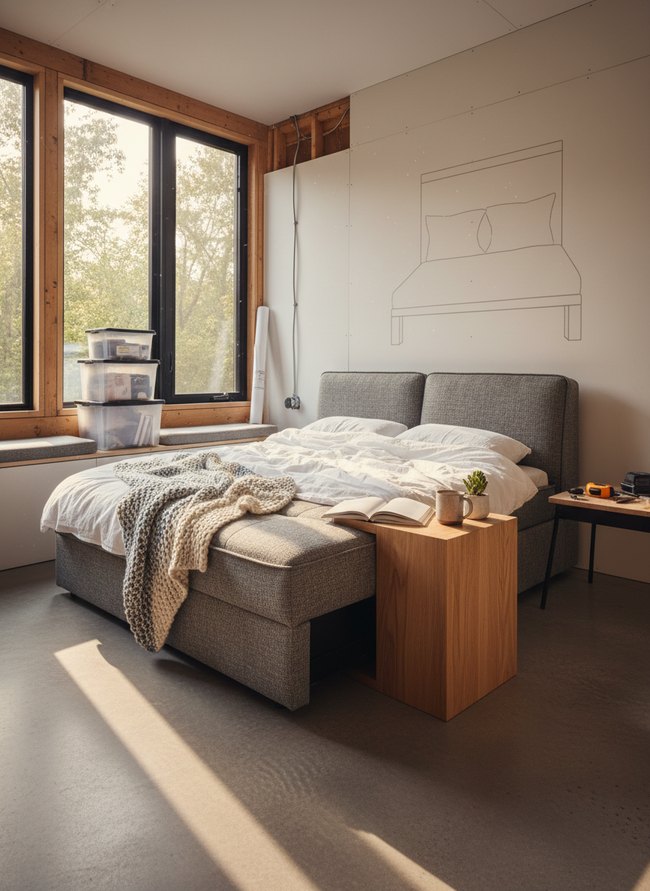
The modular gray sofa bed pulls out to create a flexible sleeping zone. The sofa bed makes a small room serve multiple functions, changing from a couch to a bed as needed. A light brown wooden side table slides neatly beside the bed, holding a small green succulent and an open book. Prioritize multi-functional furniture for your first tiny bedroom.
4. Wall-Bed Strategic Layout
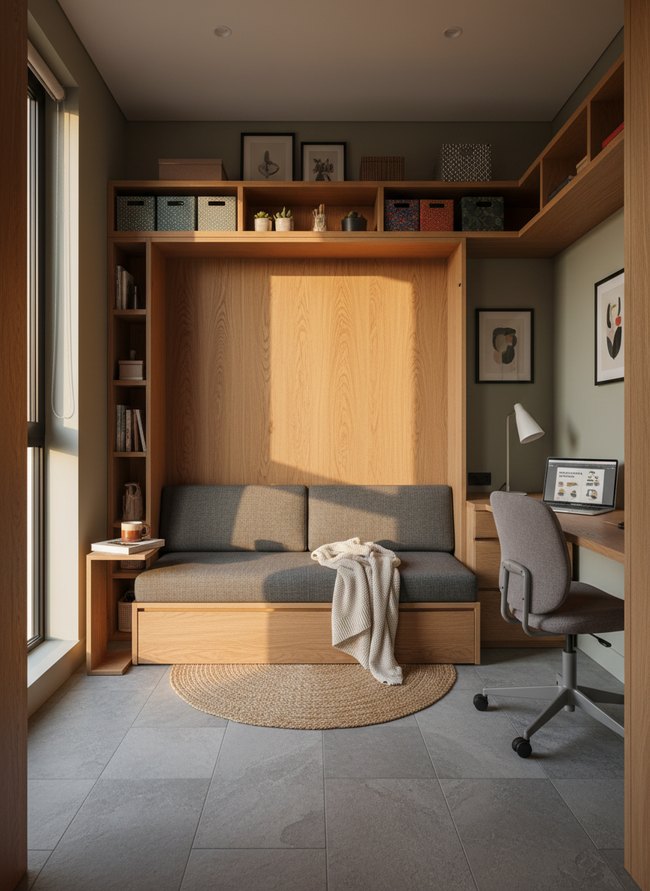
A wooden wall bed with integrated gray sofa maximizes floor space, creating a versatile living area. Tall open shelves and closed storage boxes above the bed provide ample room for personal effects. A light oak desk and rolling chair offer a dedicated workspace, keeping the bedroom organized and functional. The integrated wall bed with sofa offers ultimate space savings.
5. Modular Storage Sleep Space
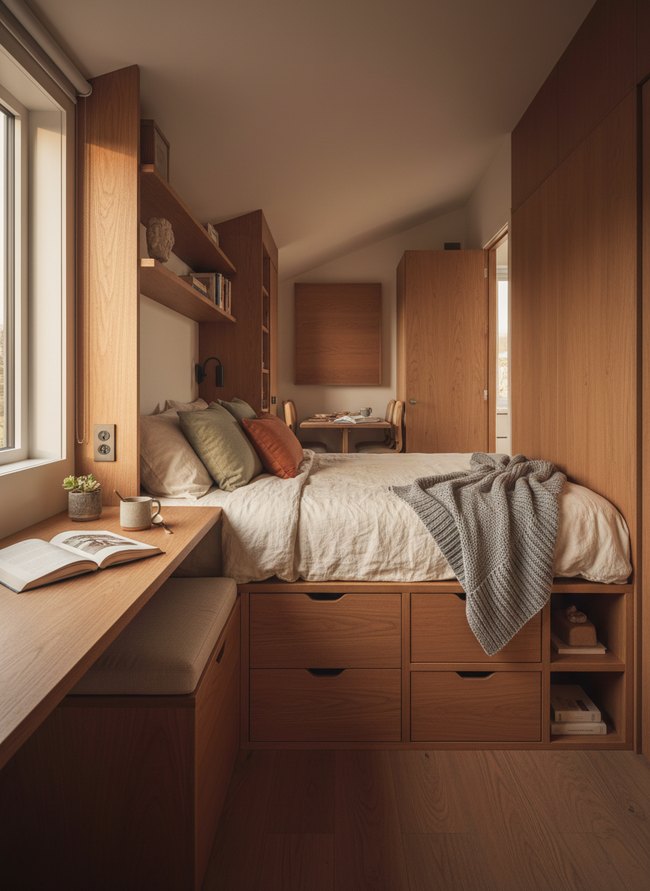
An oak platform bed with six wooden drawers maximizes storage in a compact footprint. The multi-functional bed frees floor space, a smart move for any tiny bedroom. A built-in oak desk and a narrow wood shelf above the bed provide additional work and display areas. Steal the integrated storage.
6. Platform Bed Optimization
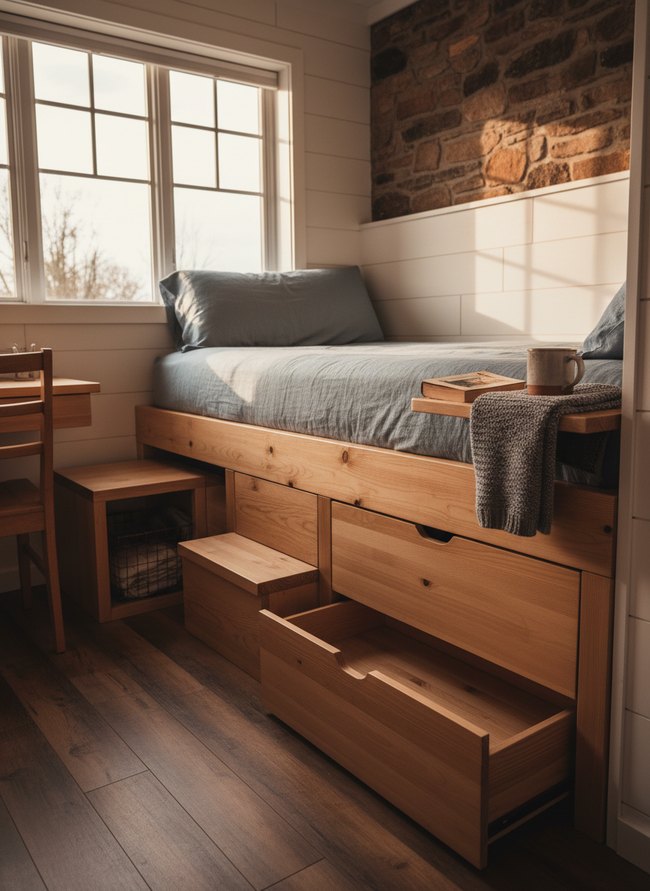
A natural wooden platform bed maximizes floor space with integrated storage. A light gray duvet covers the mattress, hinting at restful sleep. Deep wooden drawers under the bed provide hidden storage for clothes or linens, keeping a small room tidy. The built-in wooden nightstand with a dark gray knitted blanket offers a handy spot for a book and coffee mug. A tiny bedroom benefits from furniture with hidden functions.
7. Fold-Down Bed Design
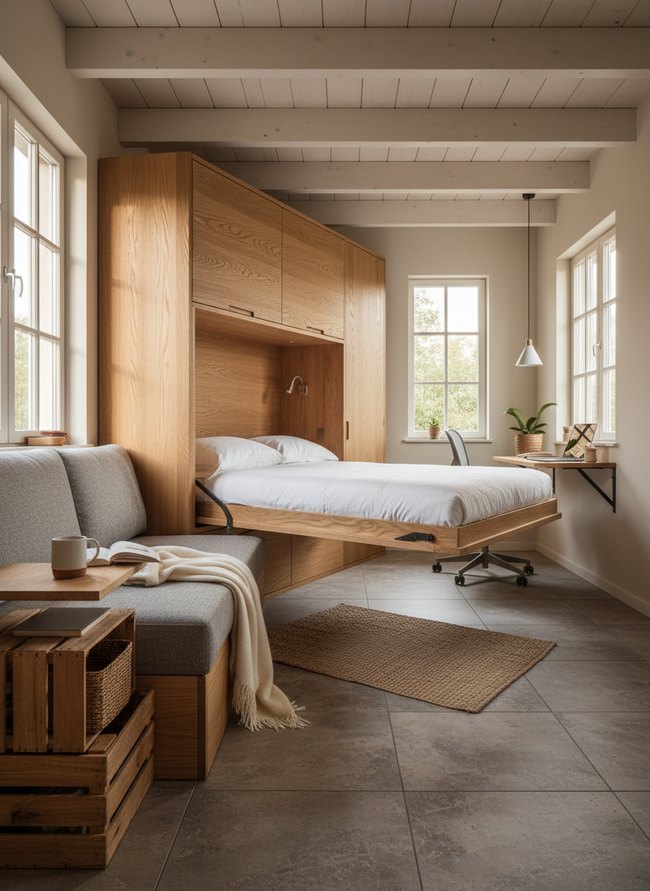
The wooden fold-down bed disappears into a light oak cabinet system, freeing floor space for daytime activities. The clever design makes a small room feel much larger by removing the bed from view when not needed. A light gray sofa with a cream blanket offers comfortable seating during the day, and a compact wooden desk folds down from the wall for work. Steal the fold-down bed for your first tiny bedroom.
8. Window Nook Sleeping Alcove
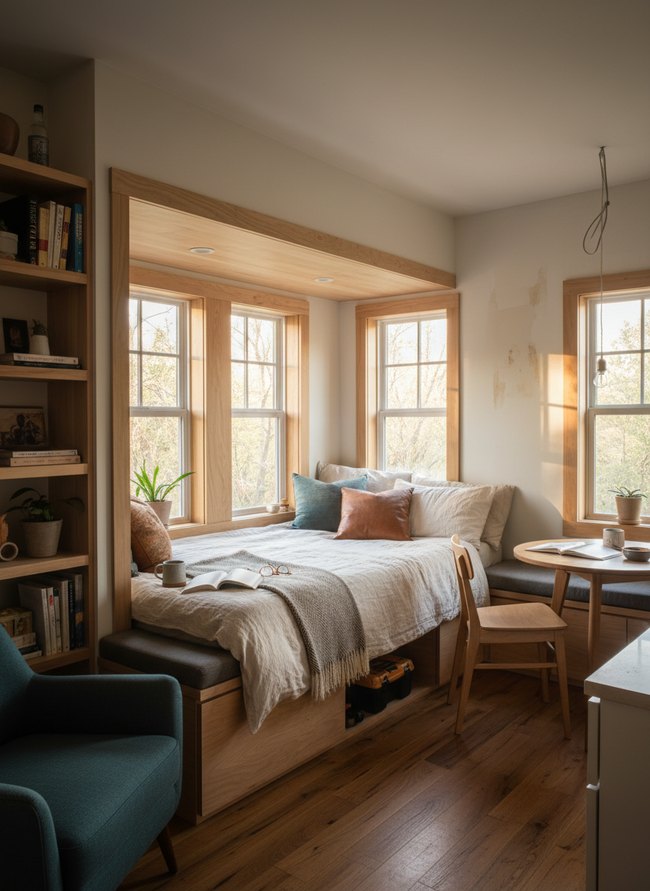
Natural wood window framing creates a deep, inviting alcove for the bed, making the space purposeful and cozy. Storage drawers beneath the bed platform maximize utility in a compact area. A small round wooden table and matching chair extend the functionality, offering a spot for reading or dining within the tiny bedroom. Building the bed into a window nook offers a clever plan for a tiny bedroom.
9. Integrated Desk Bed Plan
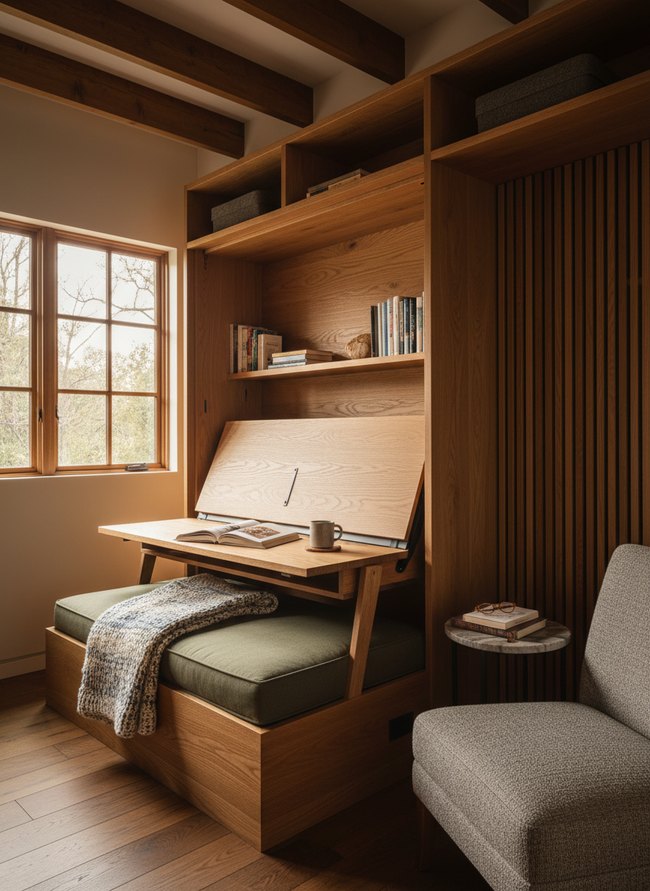
A built-in fold-down desk offers clever space-saving for a small room. The design works because it gives a dedicated workspace that disappears when not needed. Pale wooden shelves above the desk keep books and boxes tidy. Borrow the idea of a convertible piece of furniture for a first tiny bedroom.
10. Corner Bunk Arrangement
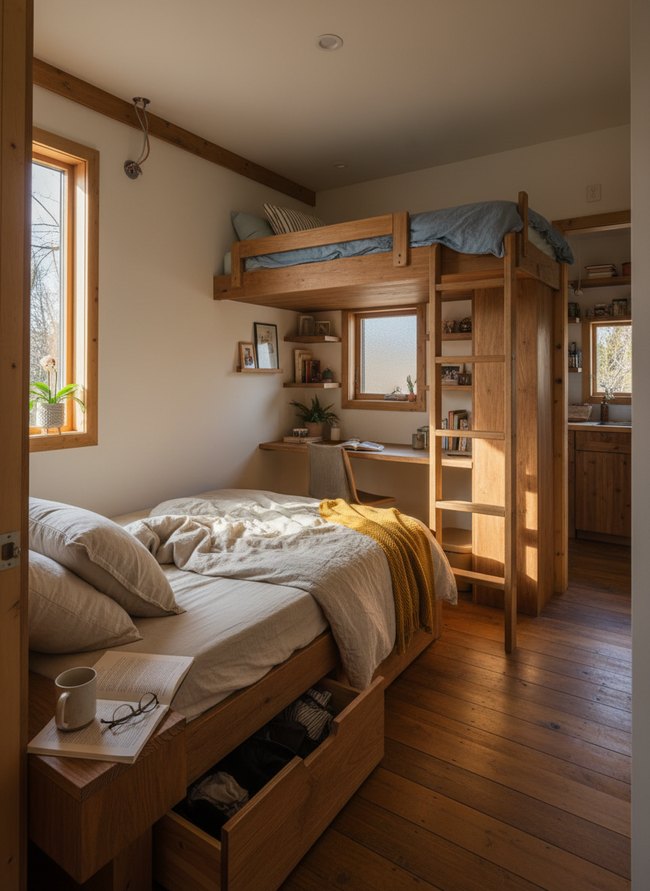
The stacked bed arrangement creates two distinct sleeping areas within a compact footprint. Light-toned wood frames the upper bunk and a built-in desk, maximizing useful space underneath. Two large windows allow warm sunlight to flood the room, brightening the soft linen bedding on the lower bed. A built-in desk under a bunk bed offers a clever design solution.
11. Murphy Bed Integration
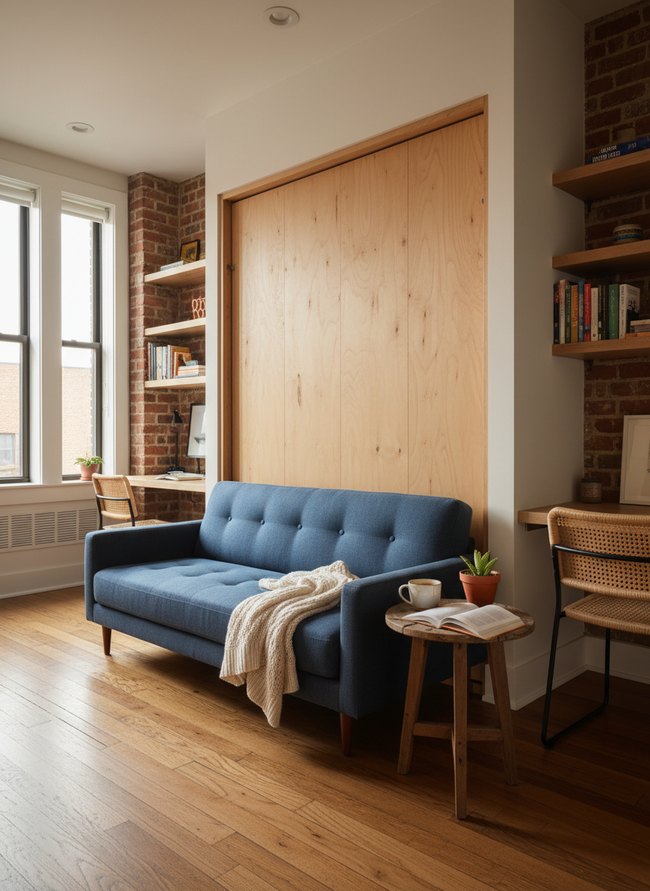
A light wooden panel hides a Murphy bed, creating a clean, flat wall surface. The design choice maximizes precious floor space in your tiny bedroom. Floating shelves and a compact desk on either side provide functional work areas. A hidden bed offers additional utility.
12. Elevated Sleeping Platform
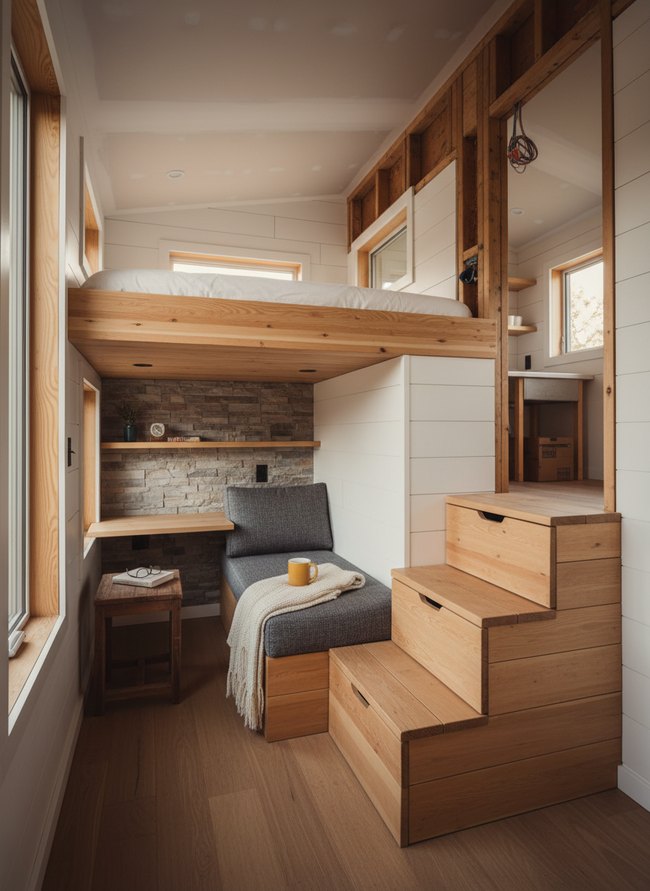
The elevated sleeping platform creates a distinct upper level in the small room. The platform maximizes vertical space, leaving ample room below for other activities. Wooden stairs with hidden drawers provide clever storage. Building up frees up floor space.
The ‘Growth Box’ Methodology: Quantifying Adaptive Space Utilization in Compact Dwellings
**Phased planning demands you consider future needs today.** A tiny bedroom offers finite cubic feet. Clever homeowners integrate a waist-high storage bench with a hinged, live edge oak top. This single piece of furniture offers both seating and hidden storage. Many people instead fill every corner with fixed, built-in shelves. Those permanent structures limit later adaptations when your storage needs shift. Consider, for instance, a queen-sized platform bed with deep pull-out drawers underneath. This arrangement provides substantial concealed storage for bulky winter blankets or seasonal clothing. A homeowner avoids building permanent wooden cabinets that may become obsolete. This design allows you to easily reconfigure the room’s layout. Your future self will appreciate that flexibility.
Temporal Staging of Furnishing Acquisition: Mitigating Initial Capital Outlay vs. Long-Term Functional Density
Delay buying all your big furniture at once. Consider your small bedroom space. One approach involves purchasing only the most necessary items first. A soft twin mattress on the plywood floor makes a warm sleeping spot. You avoid spending cash on a heavy oak dresser right away. New homeowners often buy every piece of furniture before moving in. This strategy ties up significant funds. A small, folding metal chair provides temporary seating near the window. You can then save money for a custom-built, honey-toned pine wardrobe later. This phased planning approach allows you to adjust needs as you live in the home. Unused pieces of furniture frequently create clutter in cramped areas. A tall, blonde wood bookshelf might seem needed now. After a month, a wall-mounted floating shelf of dark walnut might be a better fit for your book collection. Thoughtful, slower acquisition helps you understand true functional density. This method prevents costly mistakes with oversized or ill-fitting pieces.
Which Idea Will You Try First?
That’s 12 different takes on plan first tiny bedroom. The best ideas above are usually the smallest moves — one material, one layout shift, one piece of furniture in the right place. Pick whichever room feels closest to your space and start there before tackling the rest.
Found an idea worth keeping? Save this post to your Pinterest board so it’s waiting for you when you’re ready to start your own project.