How to Choose Between Detached and Attached ADUs
Building a backyard cottage brings tough choices. A standalone wooden structure offers privacy for occupants, while a connected brick addition provides easy access to your main residence. Property size dictates a physical footprint for either choice. A smaller parcel might mean sacrificing outdoor living space for an attached unit. Conversely, a larger lot provides ample room for a separate two-story accessory dwelling unit. Homeowners want to weigh the benefits of a self-contained living area against the convenience of shared walls. Every homeowner faces this decision with unique needs. The considerations illuminate the path for your project.
1. Modern Detached Backyard Unit
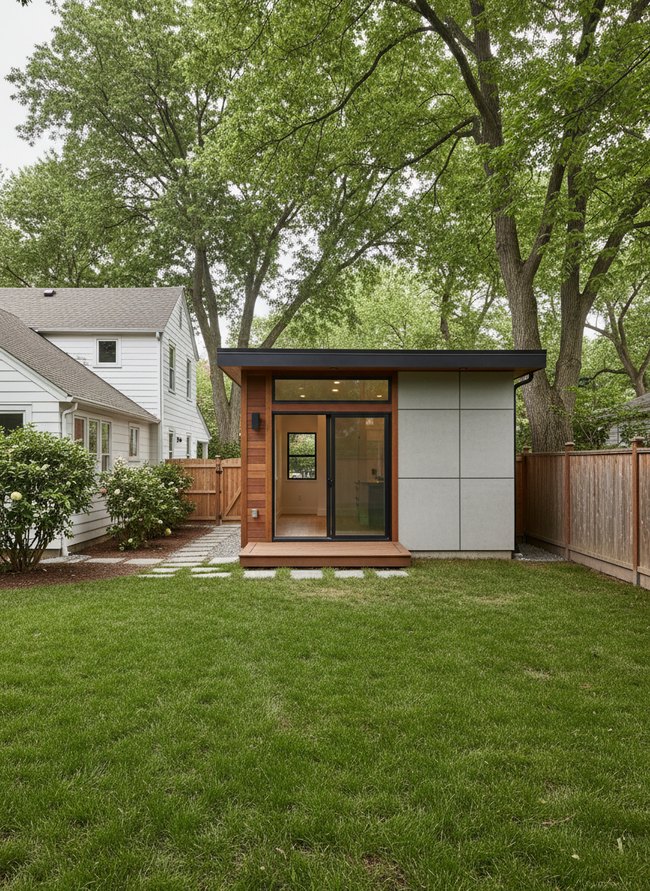
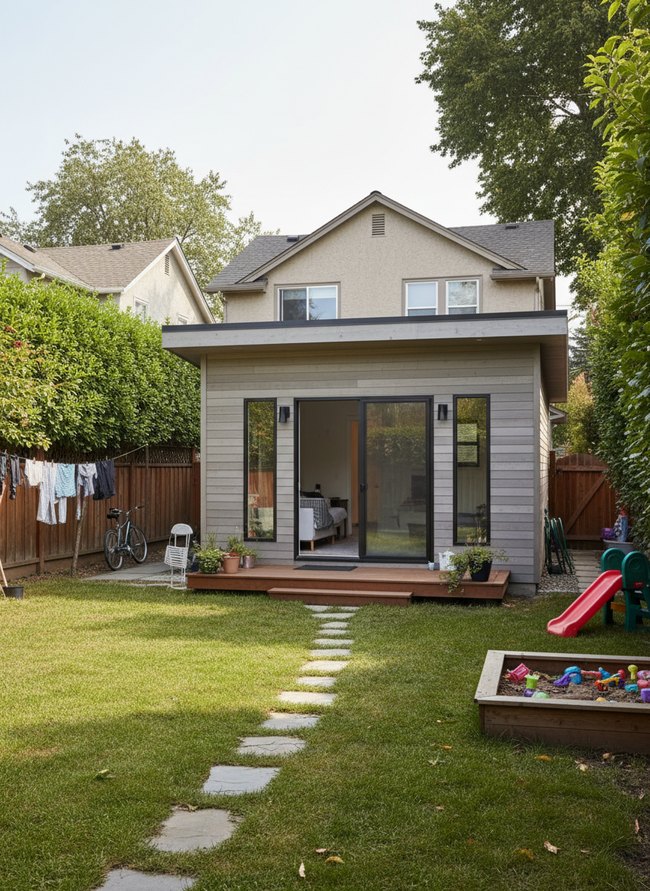
The small wooden deck raises the floor of the detached unit, offering a distinct transition from the green lawn. Homeowners choose a detached ADU for greater privacy, trading away direct access to the main house. Concrete pavers lead to a wooden fence and gate, separating the backyard structure from the white residential building.
2. Compact Attached Garage Conversion
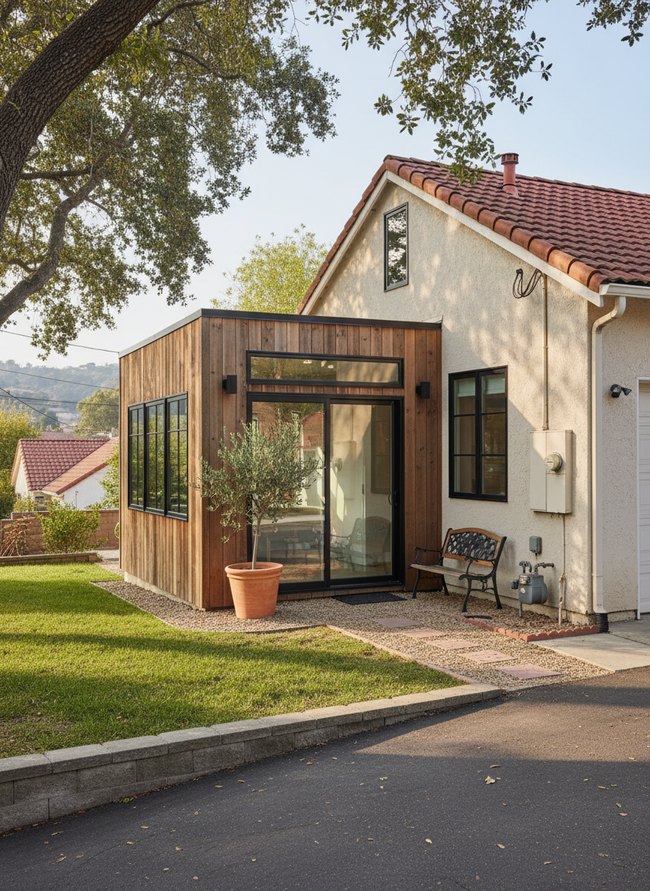
The new cedar-clad structure sits flush against the pale stucco wall of the existing house. Direct access and shared utilities come with the attached ADU, trading some privacy for convenience. A low, gray stone block wall separates the green lawn from the dark asphalt driveway.
3. Spacious Detached Garden Suite
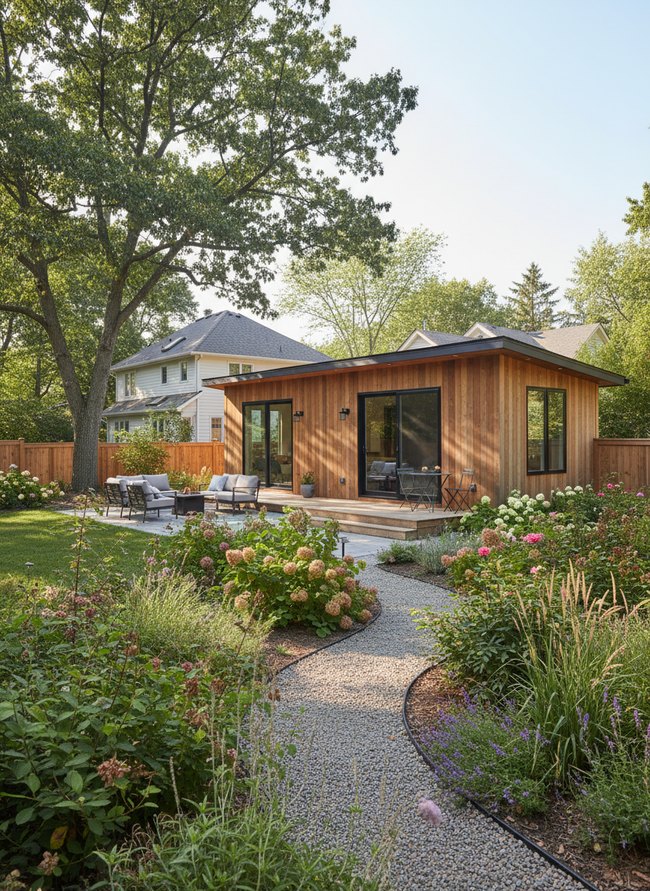
Cedar siding clads the single-story detached ADU, offering a warm wood exterior. Choosing a freestanding garden suite gives independence but trades away direct connection to your main house. A winding gravel path leads through green garden foliage, providing a private entry experience.
4. Integrated Attached Basement ADU
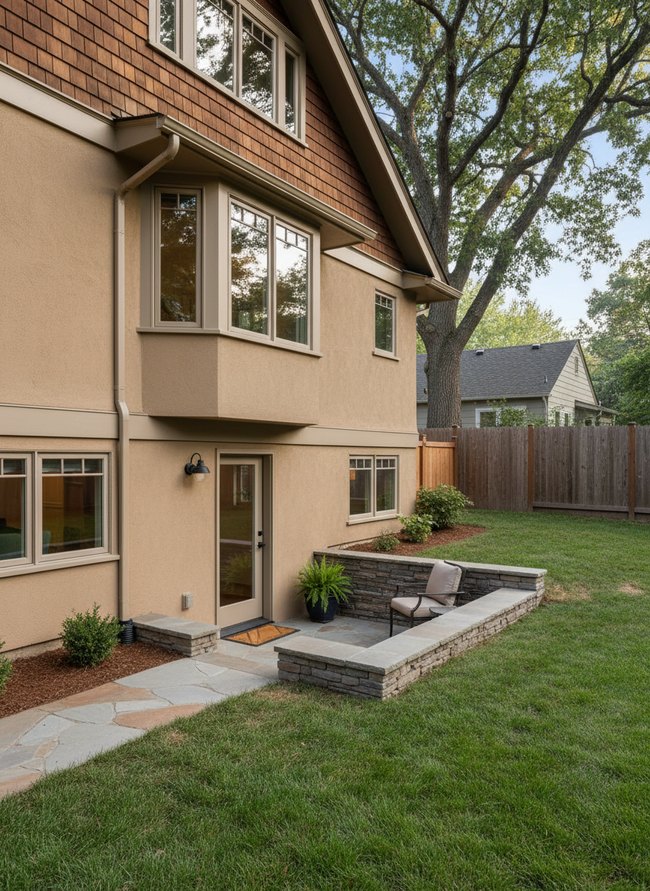
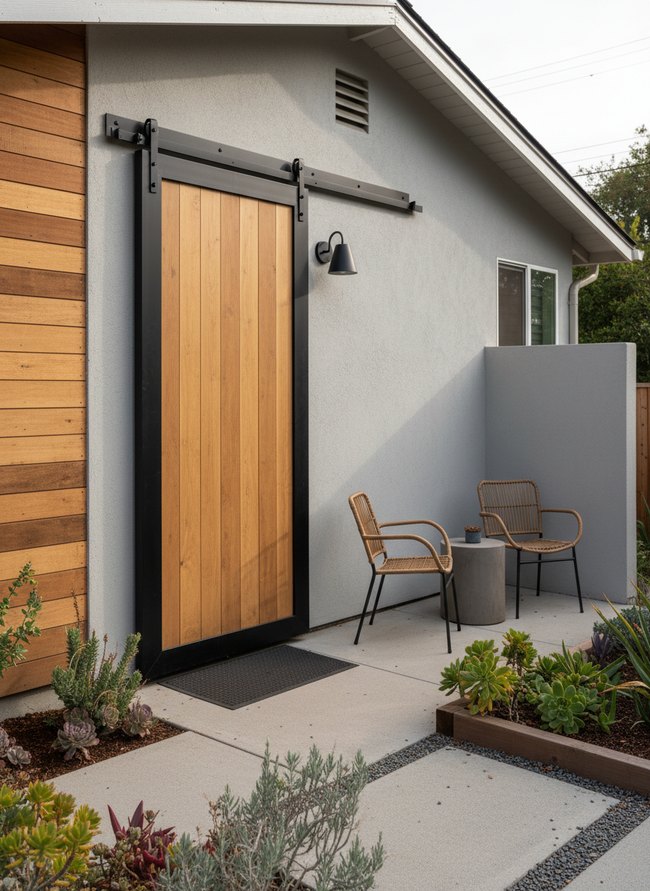
The beige stucco wall of the house presents a choice for your property’s footprint. You can choose a seamless addition, integrating a basement ADU into your main house, trading some privacy for direct access. A small stone patio with a gray upholstered chair sits next to the brown wooden door, offering a private outdoor space.
5. Two-Story Detached Coach House
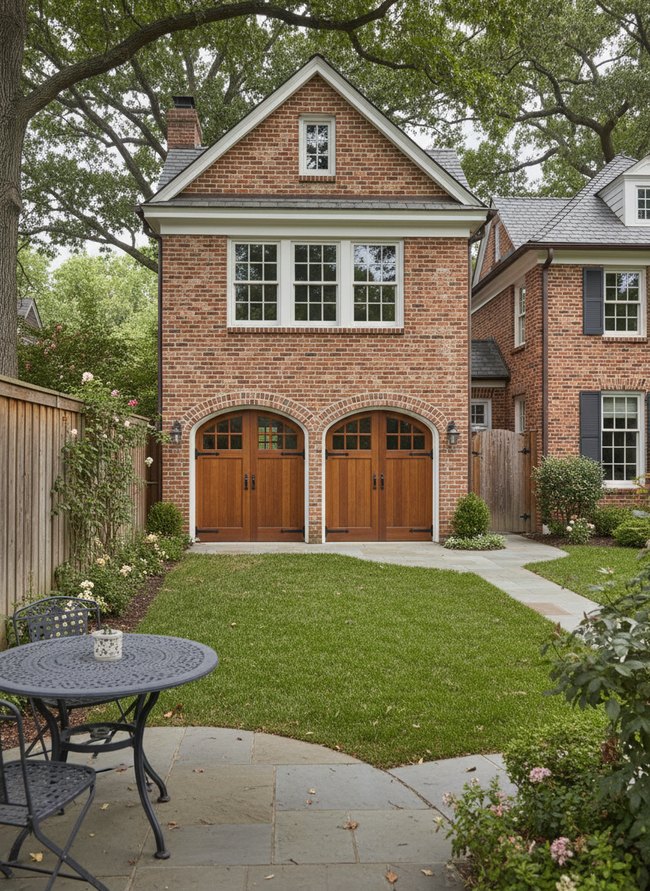
The red brick two-story building offers space above a double garage. Choosing a detached ADU like the coach house gives more privacy but trades away direct access to the main home. A gray slate patio with an ornate black metal table sits near the green lawn.
6. Seamless Attached In-Law Suite
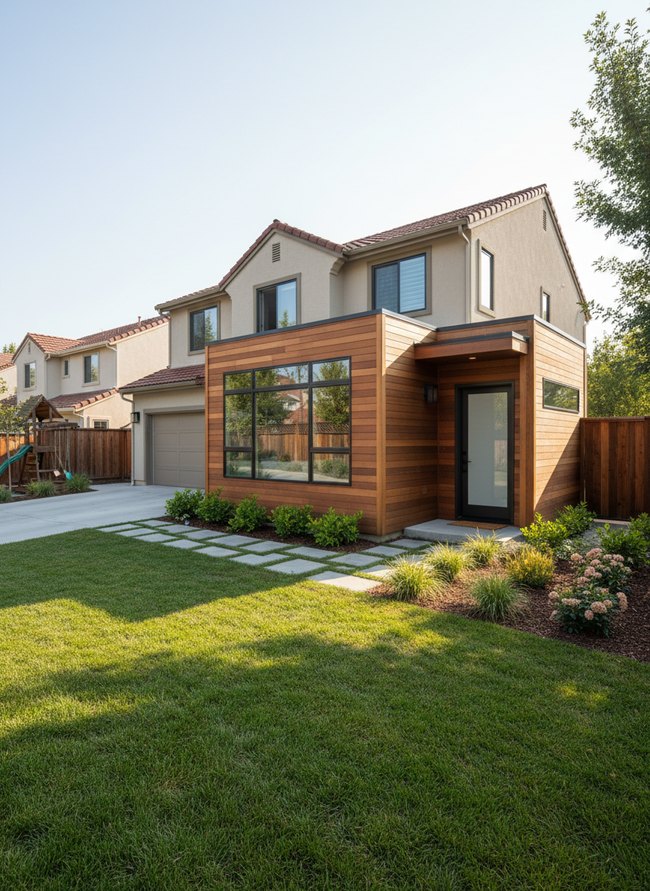
The cedar-sided attached ADU extends from the tan stucco main house. Homeowners can choose this attached accessory dwelling unit, trading some privacy for a closer connection to the main home. Square concrete pavers lead across the green lawn to the dark wooden door.
7. Rural Detached Casita Design
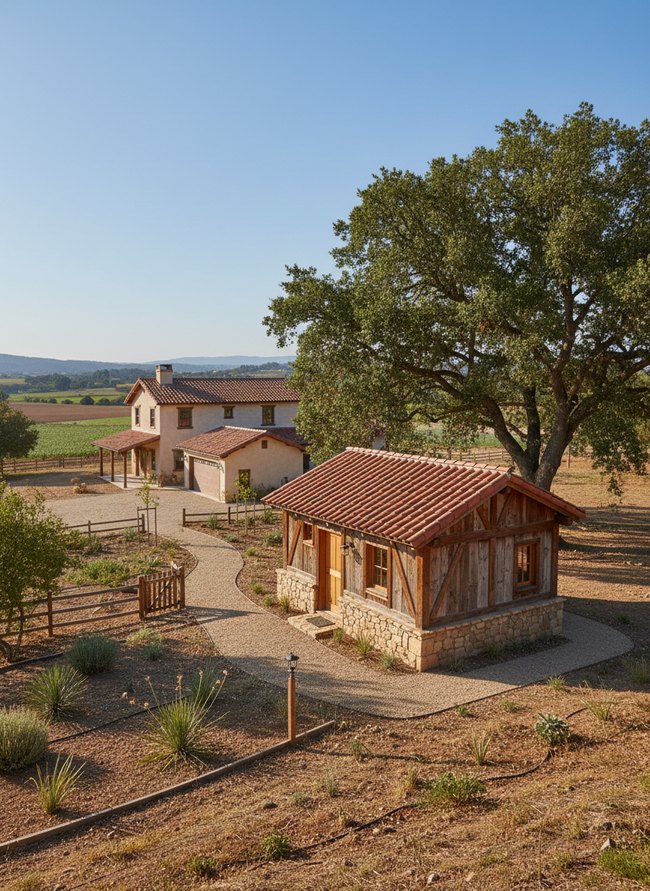
The small casita features a red tile roof and rough-hewn timber walls. Property owners could choose a detached ADU for greater privacy, trading away closer access to the main dwelling. A winding gravel path connects the little building to the larger home, suggesting a comfortable separation.
8. Urban Attached Side Extension
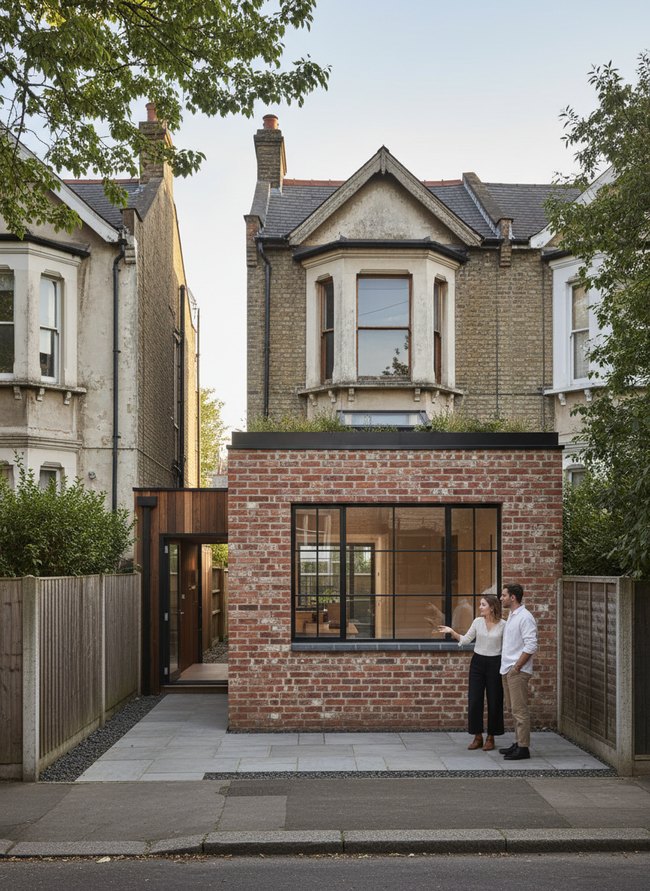
A new red brick side extension stretches outward from the beige brick main house, presenting a contemporary addition. An attached ADU like this trades some privacy for direct home access. A wide black-framed window on the brick wall faces the street, offering light inside but less secluded space than a detached structure.
9. Contemporary Detached Studio
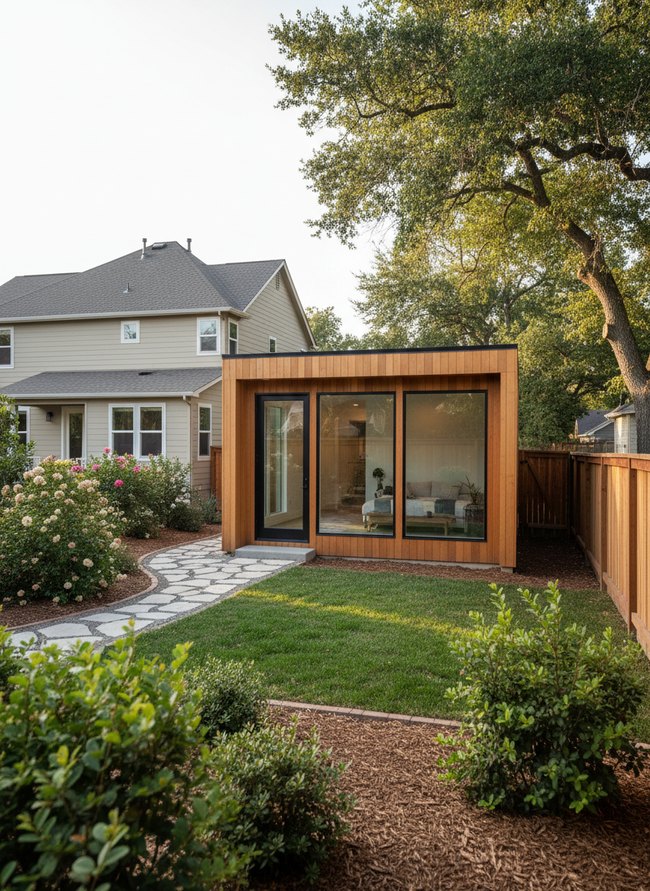
The cedar-clad studio stands as a separate structure, offering quiet privacy but sacrificing direct access to the main house. A detached ADU like this one gains a distinct wooden building for work or guests. A freestanding unit means giving up the shared wall benefits of an attached design, though a private outdoor space is gained.
10. Transitional Attached Carport Unit
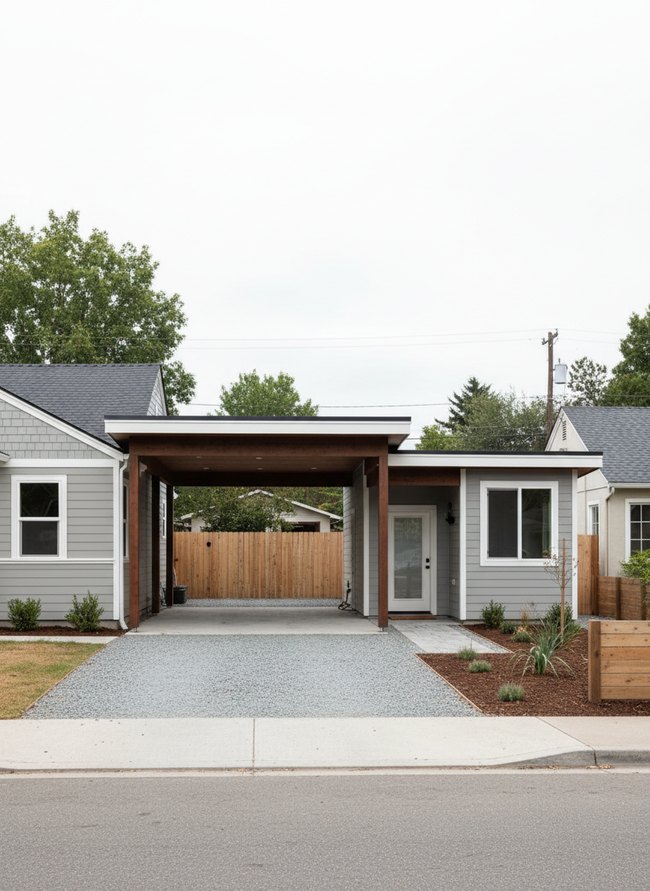
A dark brown wooden carport roof extends from one gray shingled house to another. A connected structure like the attached ADU provides covered parking while trading away some yard space. A light gray gravel driveway leads to the carport, offering easy vehicle access.
11. Prefab Detached Backyard Home
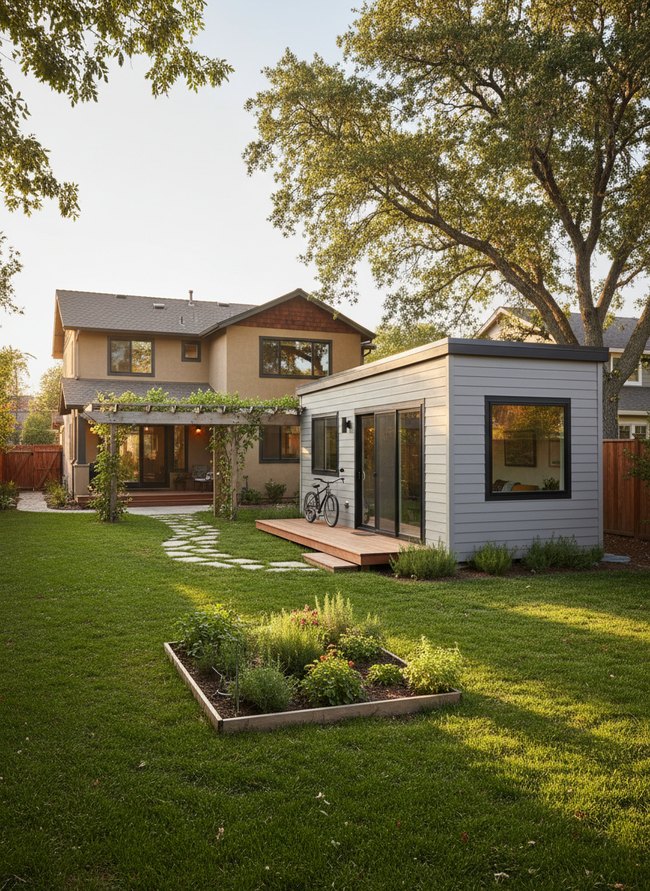
This prefab detached backyard home brings detached vs attached ADU to life with thoughtful styling and considered details.
12. Connected Attached Sunroom Living
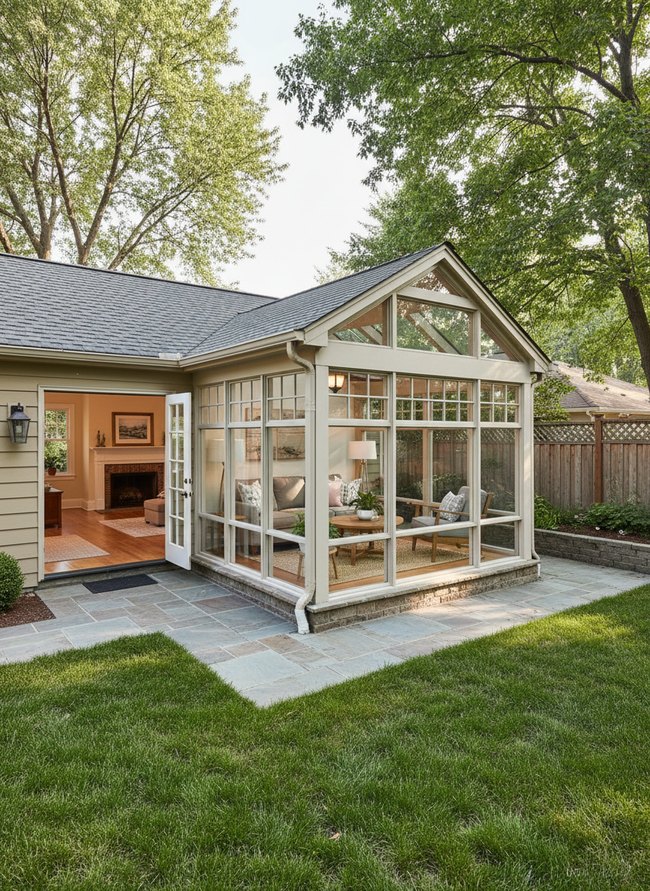
This connected attached sunroom living brings detached vs attached ADU to life with thoughtful styling and considered details.
Should I Prioritize Immediate Rental Income or Long-Term Property Value Growth?
Your decision between quick rent money and higher home worth requires clear thinking. A small, simple ADU with a basic kitchenette and a single three-foot window offers immediate rental income. Minimal construction costs mean faster returns; a painted plywood floor reduces initial outlay. However, that detached unit with a plain concrete slab adds less long-term market value to your main residence. Buyers searching for luxury features often bypass those simple structures.
Alternatively, a two-story ADU with hardwood floors and a granite countertop kitchen boosts your property’s overall appraisal significantly. High-quality finishes like crown molding and a six-panel solid wood door attract buyers looking for premium homes. This larger investment means slower rental income recoupment. Your initial construction budget will stretch further; a full bathroom with a porcelain tile shower requires more money up front. A sprawling two-bedroom unit provides expansive living space, appealing to future homeowners. Homeowners prioritizing quick cash flow choose the smaller, simpler ADU. Individuals focused on maximizing their property’s future sale price select the more elaborate build.
Is It Better to Build for Aging Parents Now, or Future Rental Flexibility?
A homeowner faces a choice: build an accessory dwelling unit (ADU) for an elder parent today or plan for broader rental appeal tomorrow. Planning for elder-friendly features brings immediate comfort for an older resident. Wide, solid oak doorways accommodate walkers and wheelchairs easily. Grab bars, steel gray or cream white, become fixtures in the shower and beside the toilet, adding safety. A lower, front-load washing machine, waist-high, prevents painful bending for aging knees.
However, these specific modifications may limit future rental options. Many renters, younger and mobile, prefer standard fixtures. They might not appreciate the wide doorway or the silver grab bars. Changing these features later costs money. Removing installed grab bars leaves holes in tile or drywall.
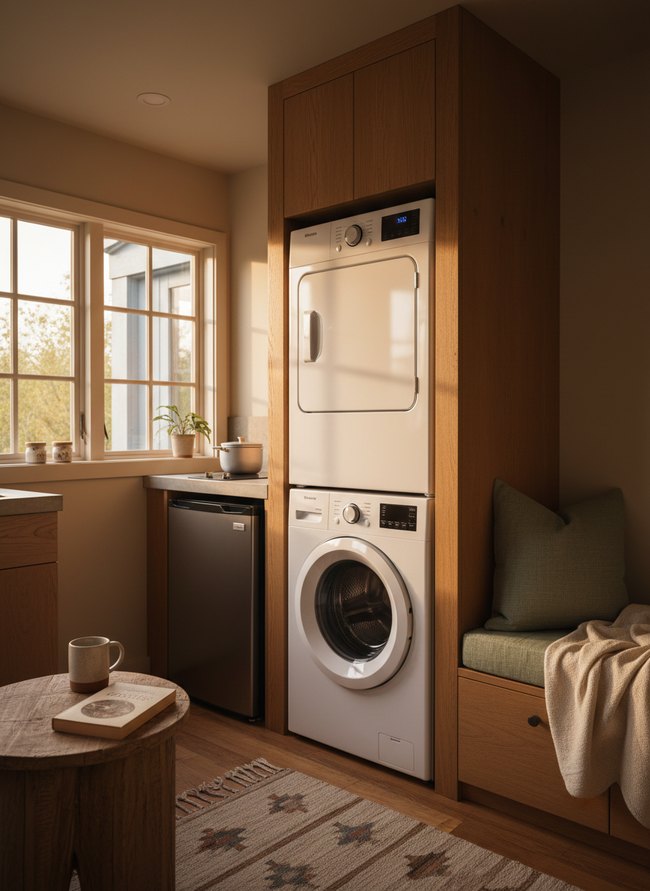
Designing for rental flexibility offers a different path. A standard bathtub fits most tenants. A compact, stackable washer and dryer unit, tucked into a closet, saves floor space for diverse layouts. You gain adaptability with fewer fixed elder-friendly elements. Remodeling later for a parent’s needs remains possible. Installing grab bars or widening a door after construction adds expense and time.
Homeowners prioritizing immediate family comfort build for their parents. Property owners focused on long-term income stream choose rental flexibility. Your current needs dictate the initial design.
Which Idea Will You Try First?
That’s 12 different takes on detached vs attached adu. The best ideas above are usually the smallest moves — one material, one layout shift, one piece of furniture in the right place. Pick whichever room feels closest to your space and start there before tackling the rest.
Found an idea worth keeping? Save this post to your Pinterest board so it’s waiting for you when you’re ready to start your own project.